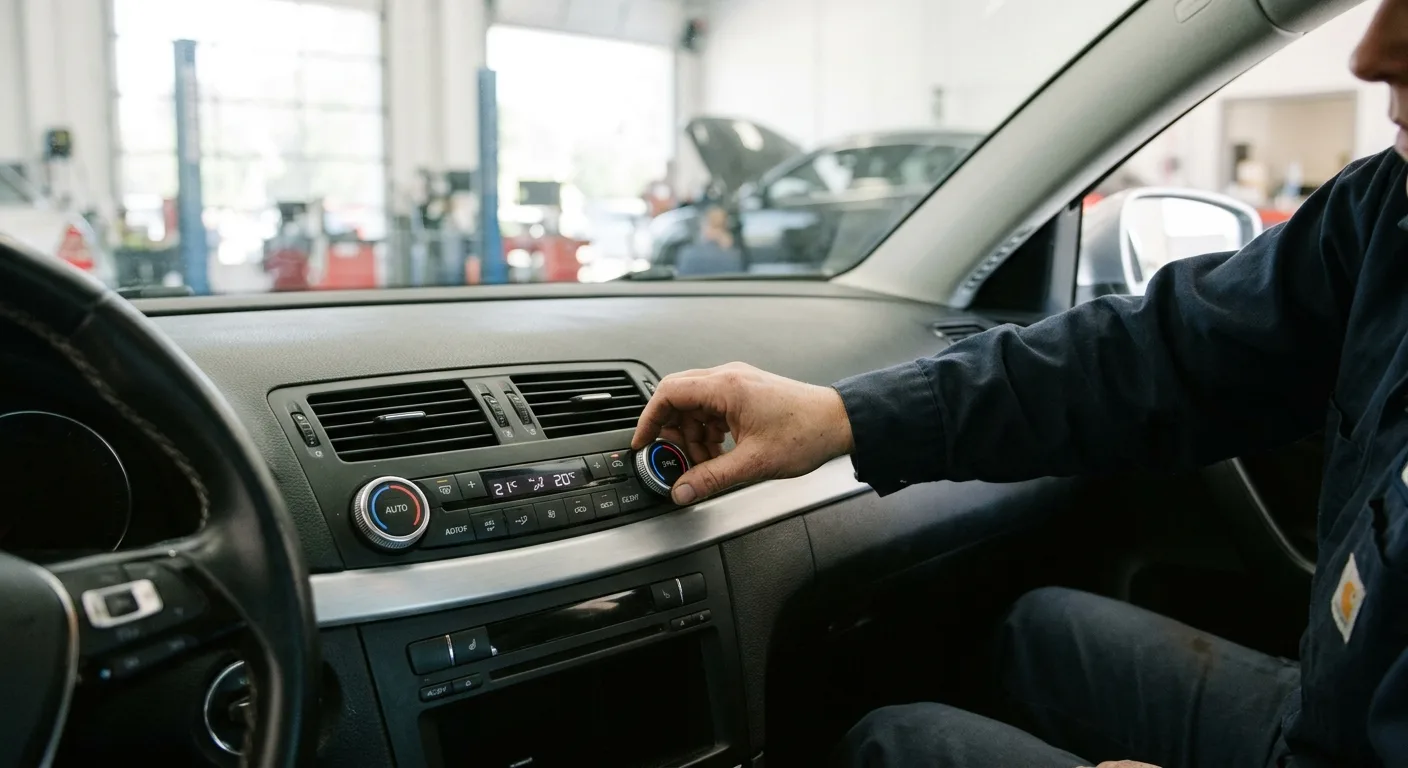
You just swapped the battery, the engine fired up on the first crank, and then you noticed the air conditioning is blowing warm or the vents are stuck on defrost. Nothing is broken. The climate control module lost its memory when you disconnected the old battery, and it needs to relearn its settings. This guide walks you through resetting it, step by step, and most people finish in 15 to 30 minutes once they know what their car actually wants.
The exact method depends on your make and model. Some cars relearn automatically, some need a button sequence, and a few need a scan tool. I'll cover all three paths so you can match the fix to your vehicle instead of guessing.
What you need before you start
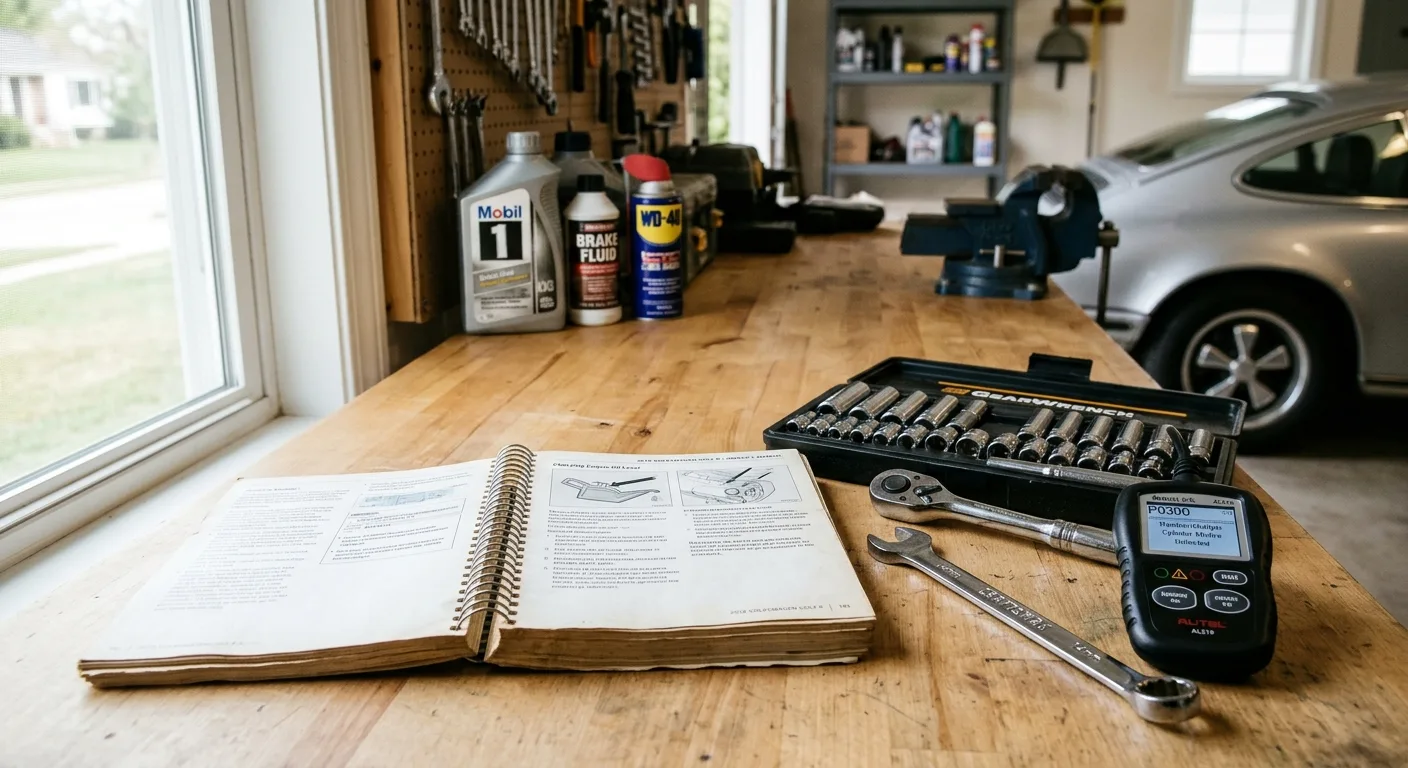
- Your owner's manual (seriously, it lists the relearn procedure for your exact model)
- A scan tool that can read body or climate control modules, if you have one
- A basic socket set and wrench for the battery terminals
- A memory saver or a jump pack, optional but useful if you have to disconnect again
- Your phone to look up the procedure, or the free car symptom finder if you are not sure the climate control is even the problem
- 15 to 30 minutes, plus a short drive to let the system settle
Step 1: Confirm the battery job is actually finished
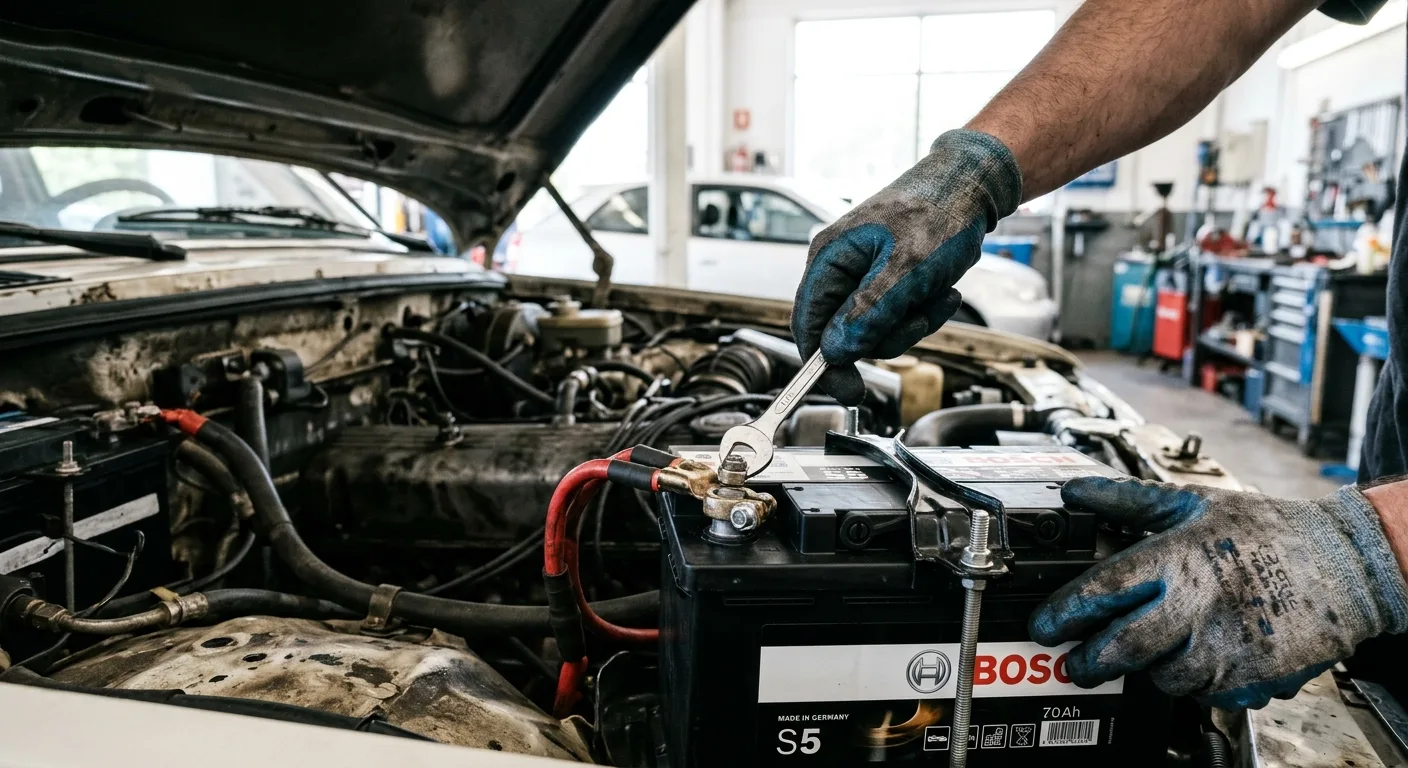
Before you touch anything climate related, make sure the new battery is properly installed. Both terminals should be clean and tight, and the hold-down bracket should be secure. A loose ground can make the climate control act possessed, and you will chase the wrong problem for an hour.
Start the engine and let it idle for a minute. Watch the dashboard for warning lights. If you see a check engine light, pull the codes with the free OBD code lookup before going further. A low-voltage event during the battery swap can set codes in several modules, and clearing them properly is part of the reset.
Tip: if the battery terminals are corroded, clean them now. A bad connection will undo every reset you attempt.
Step 2: Let the car idle with the AC on full
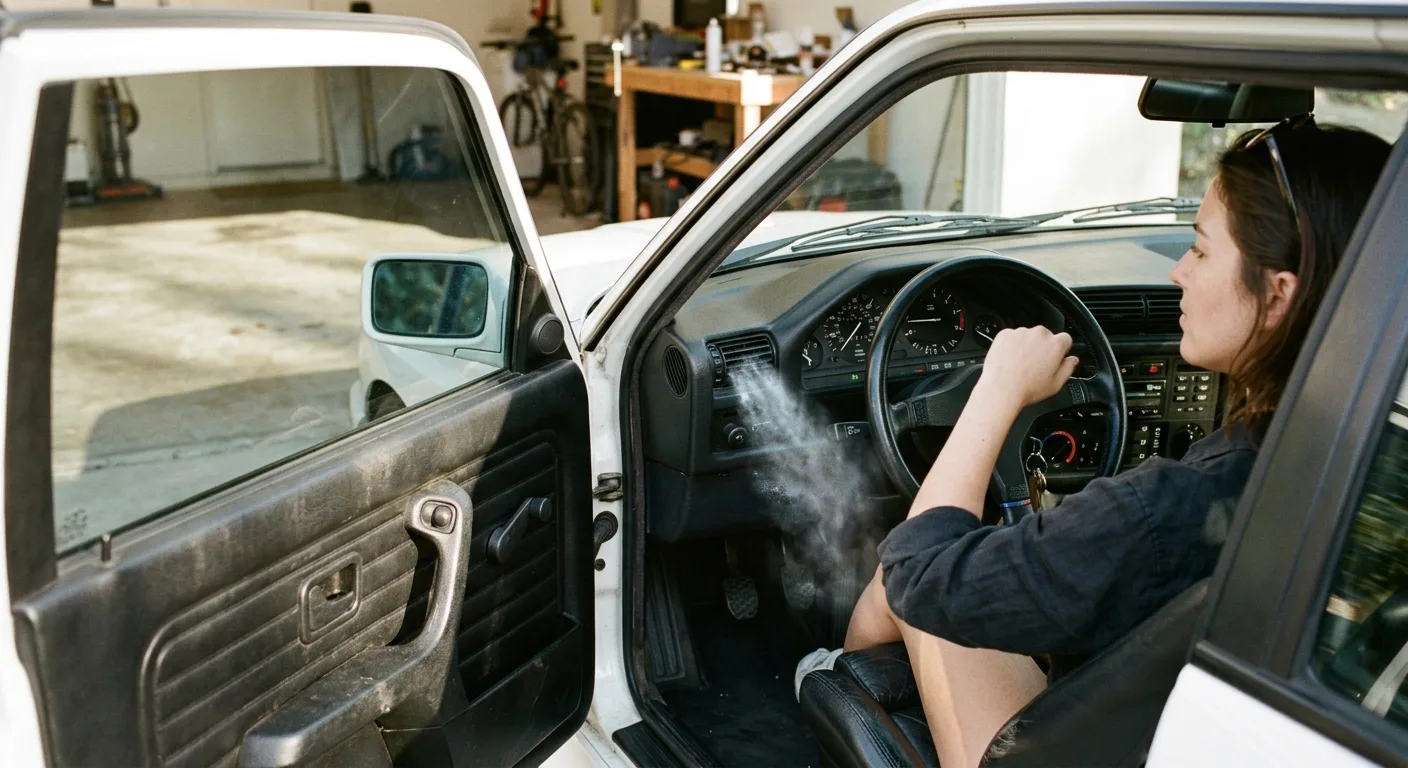
Many modern cars relearn the blend door and vent positions on their own. The trick is giving them the conditions to do it. Start the engine, set the climate control to maximum cold, maximum fan, and face-level vents. Let it run for two to three minutes.
Why it matters: the module needs to see the actuators travel from one stop to the other to relearn their limits. If you just drive off with the system off, it may never calibrate.
Tip: some cars want the engine at operating temperature first. If nothing happens, take a ten-minute drive and repeat.
Step 3: Run the full hot-to-cold sweep
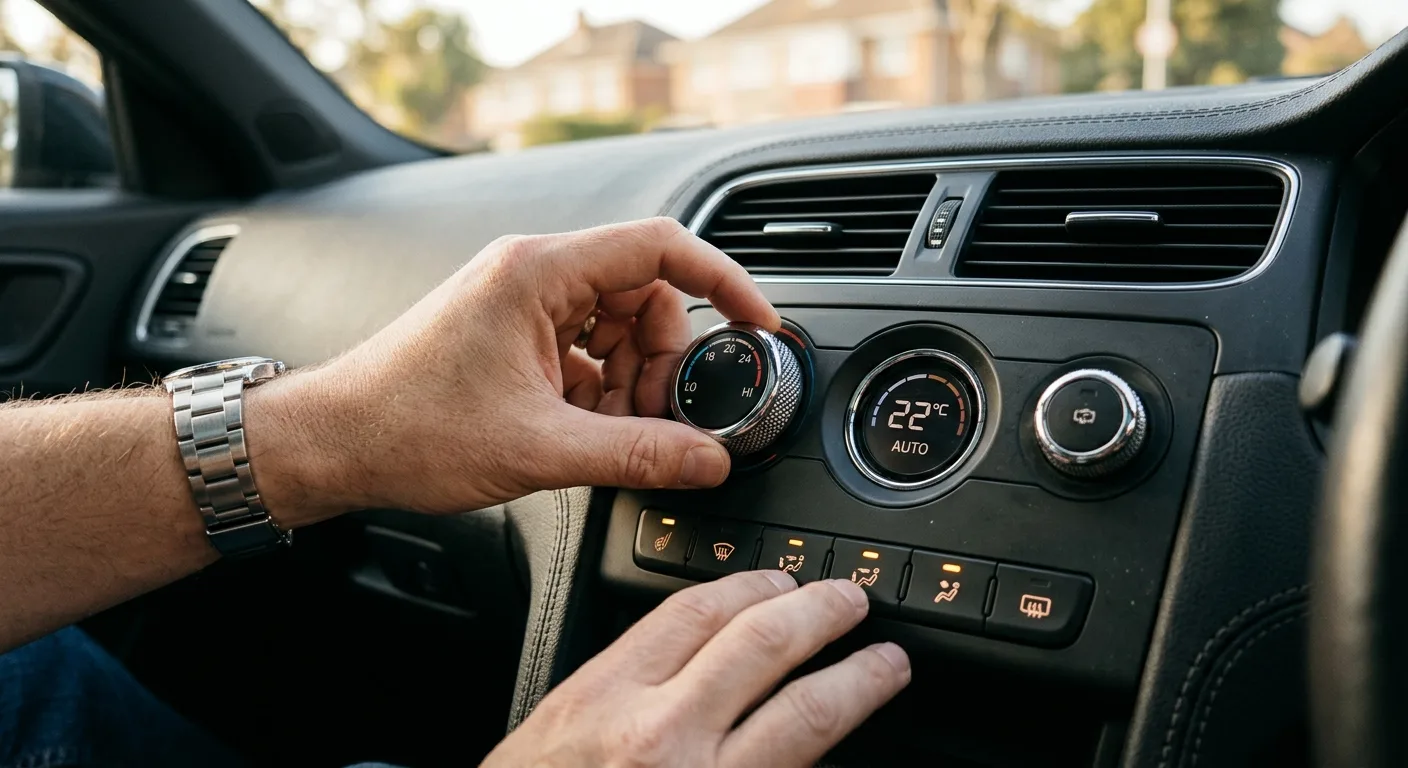
After the cold run, switch to maximum heat, maximum fan, and floor vents. Let it run another two to three minutes. Then cycle through every vent position: face, face and floor, floor, defrost. Pause for a few seconds at each setting.
This is the manual version of a calibration routine. You are forcing every actuator through its full range so the module can map the endpoints. On many Asian and domestic vehicles, this alone fixes the problem.
Tip: listen for clicking or grinding behind the dash. That points to a failing blend door actuator, not a software issue. The mechanical encyclopedia has a decent primer on how these actuators work if you want to understand what you are hearing.
Step 4: Try the button reset sequence for your model
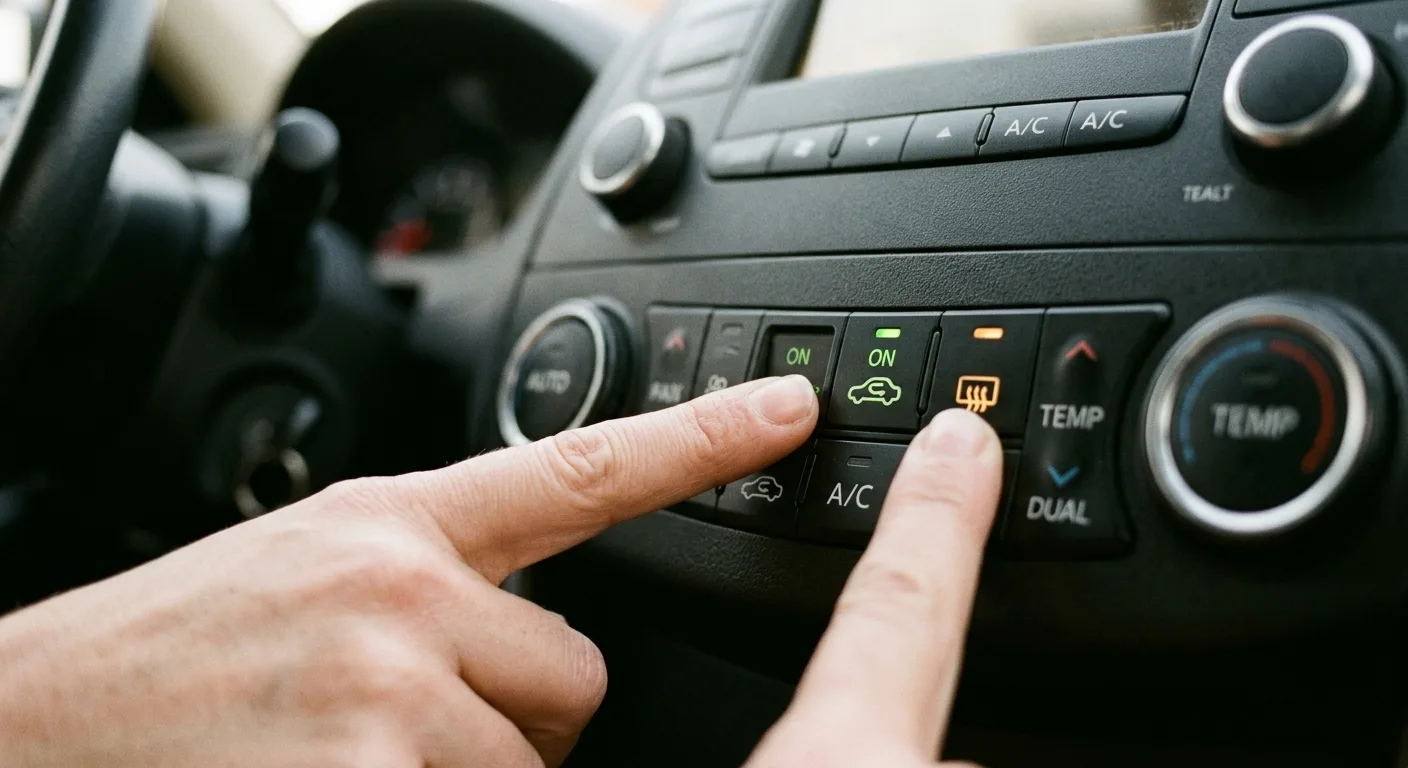
If the sweep did nothing, your car likely has a specific reset sequence. Common ones include holding the recirculation and rear defrost buttons together for several seconds, or pressing a combination of front defrost and fan buttons while turning the ignition on. These vary wildly by brand.
Look it up in your owner's manual or a model-specific forum. Do not guess. A wrong sequence can put the module into a diagnostic mode you then have to exit.
Why it matters: the module stores calibration data in volatile memory. A button sequence tells it to wipe and relearn that data.
Tip: do this with the engine running, not just the ignition on, unless the manual says otherwise. Voltage sags during cranking can interrupt the process.
Step 5: Use a scan tool for a proper actuator calibration
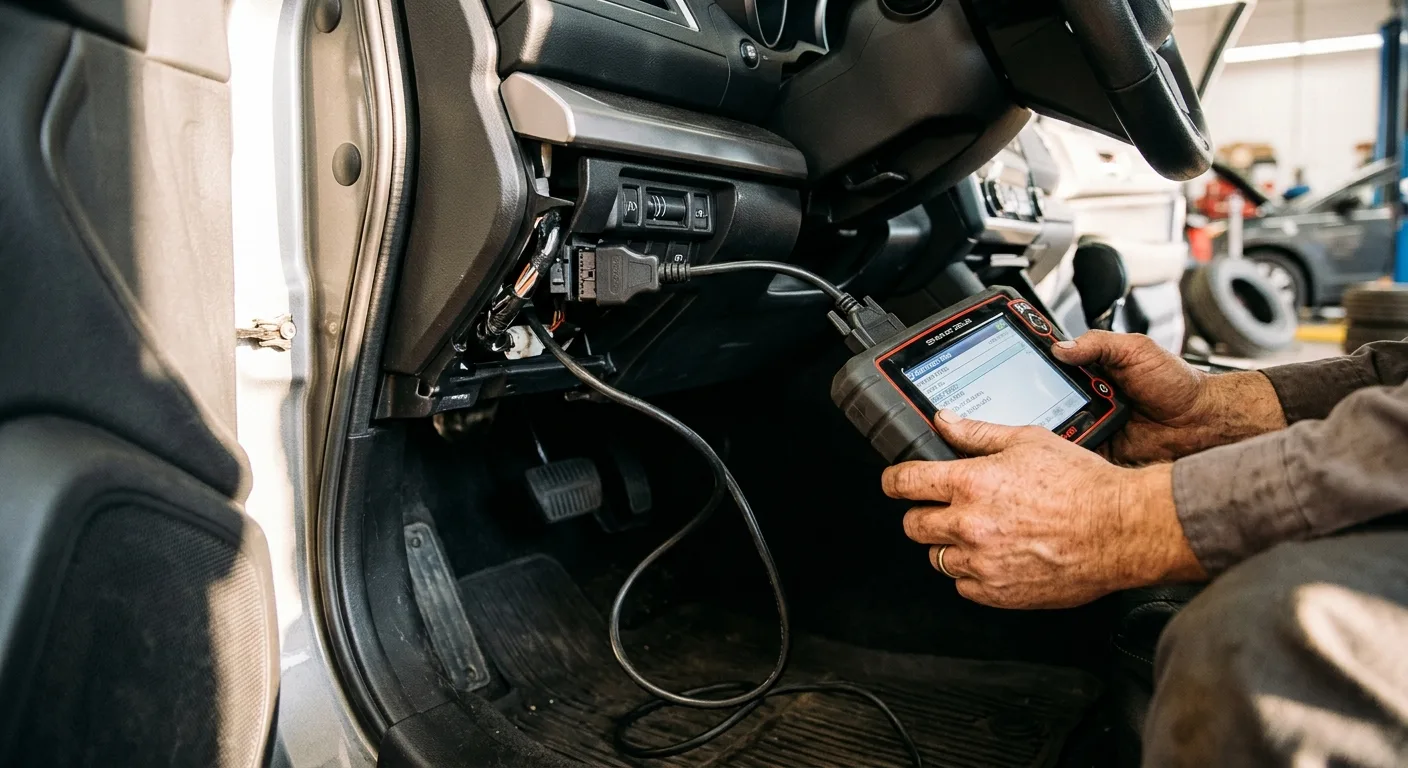
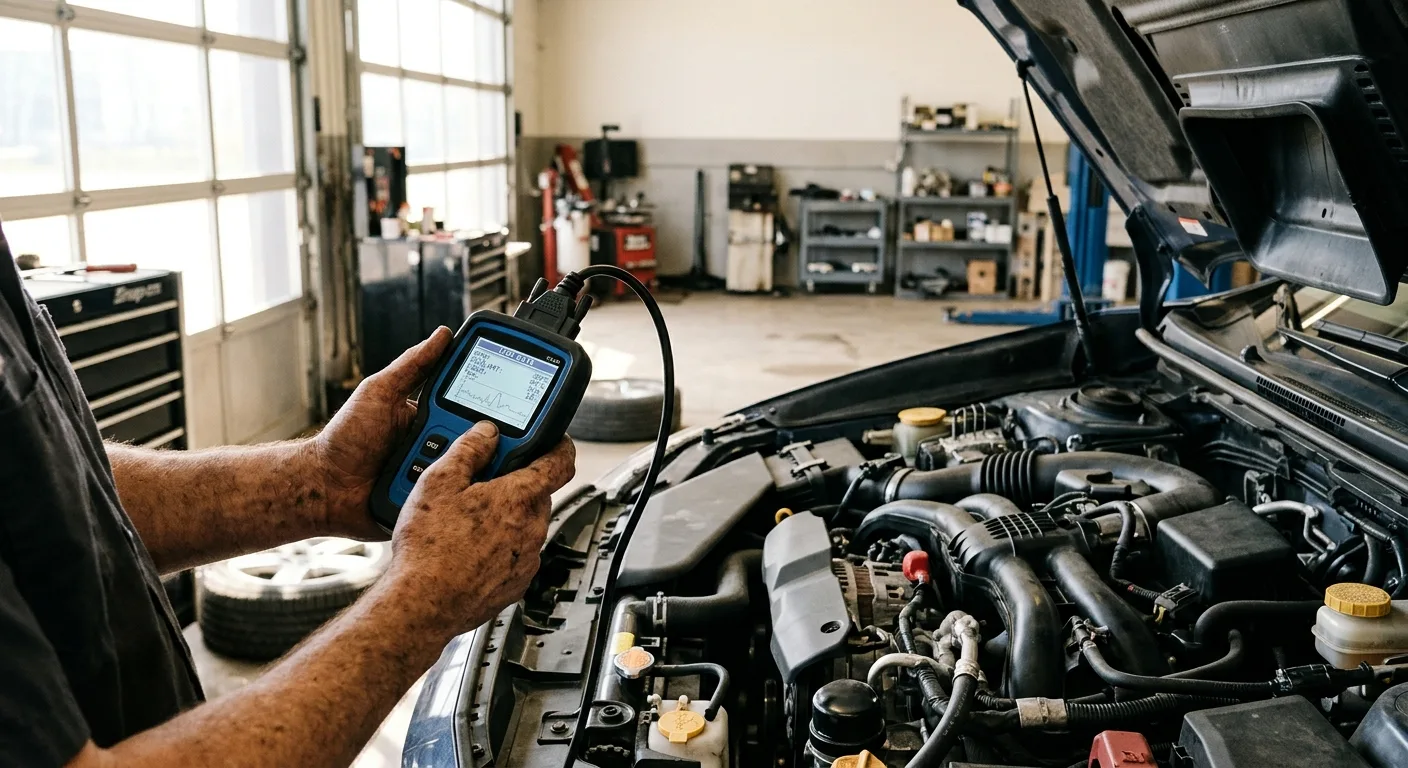
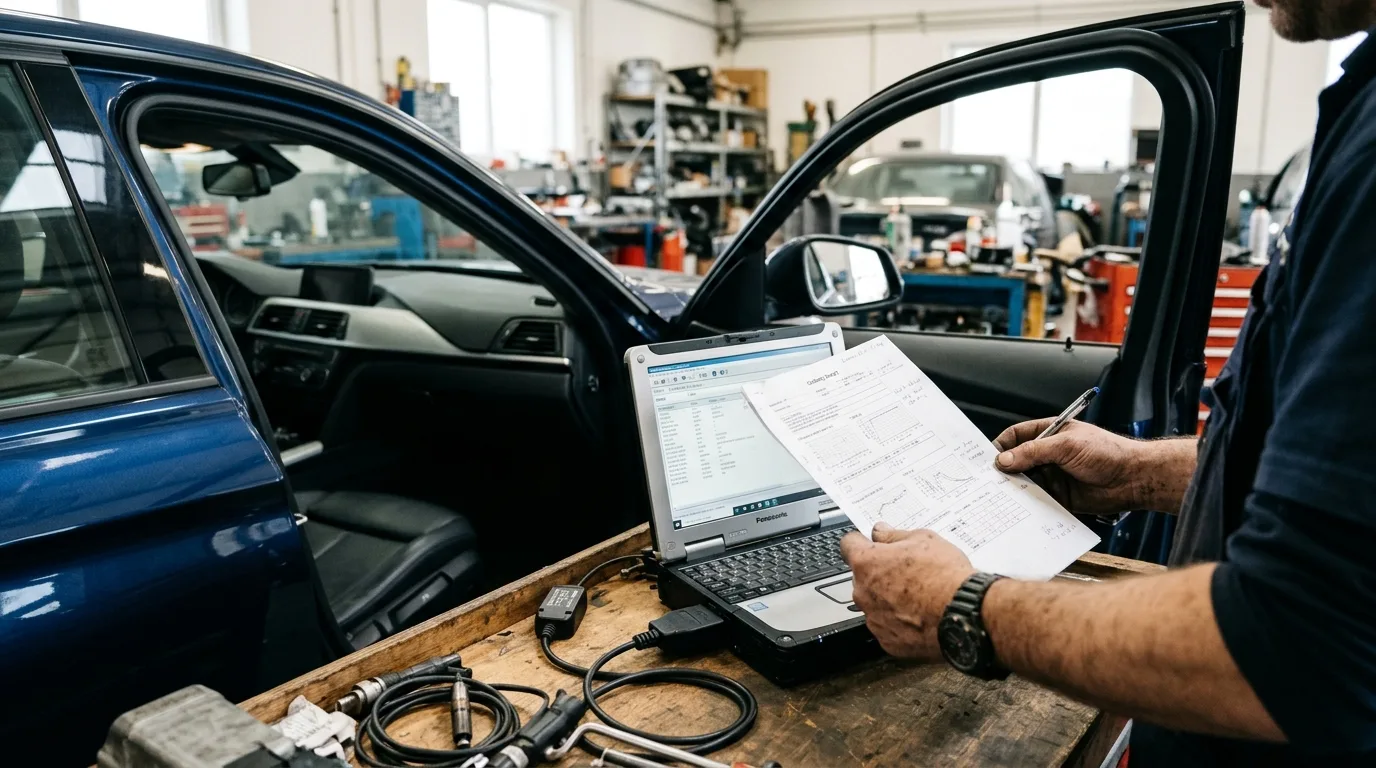
Some vehicles, especially those with automatic climate control, need a scan tool to command an actuator calibration or to clear body control module codes. If you have a tool that reads HVAC or BCM modules, connect it, find the climate control section, and look for a calibration or relearn function.
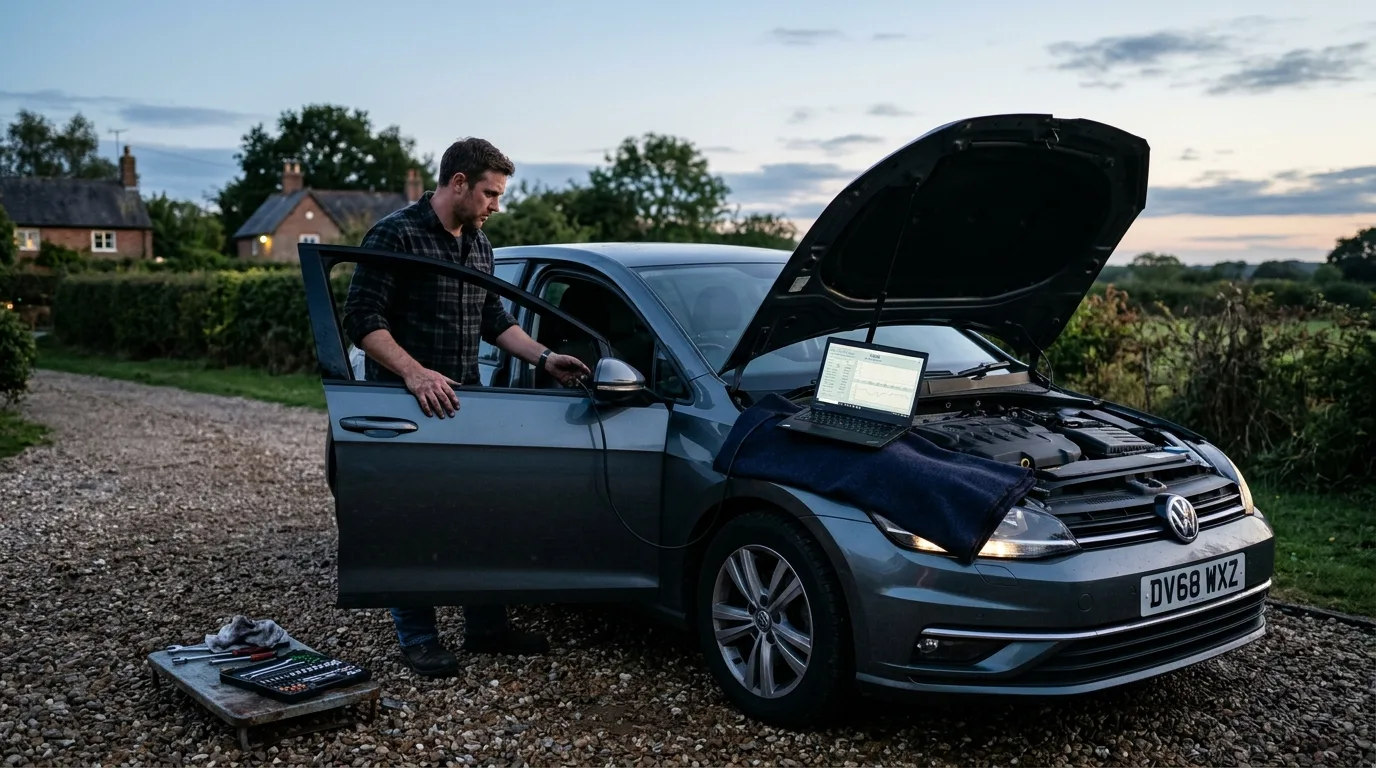
If you are not sure which codes are relevant, the OBD live-data tool can help you watch sensor readings while you work. It will not calibrate the actuators, but it will tell you whether the module is seeing the temperatures and pressures it should.
Cost note: a basic code reader runs roughly $30 to $80, while a tool that talks to body modules can run several hundred. If you only need this once, many parts stores will scan for free, or a shop will charge a diagnostic fee, often around $100 to $150 depending on the area.
Tip: write down any codes before you clear them. You may need them later.
Step 6: Check the cabin air filter and blower
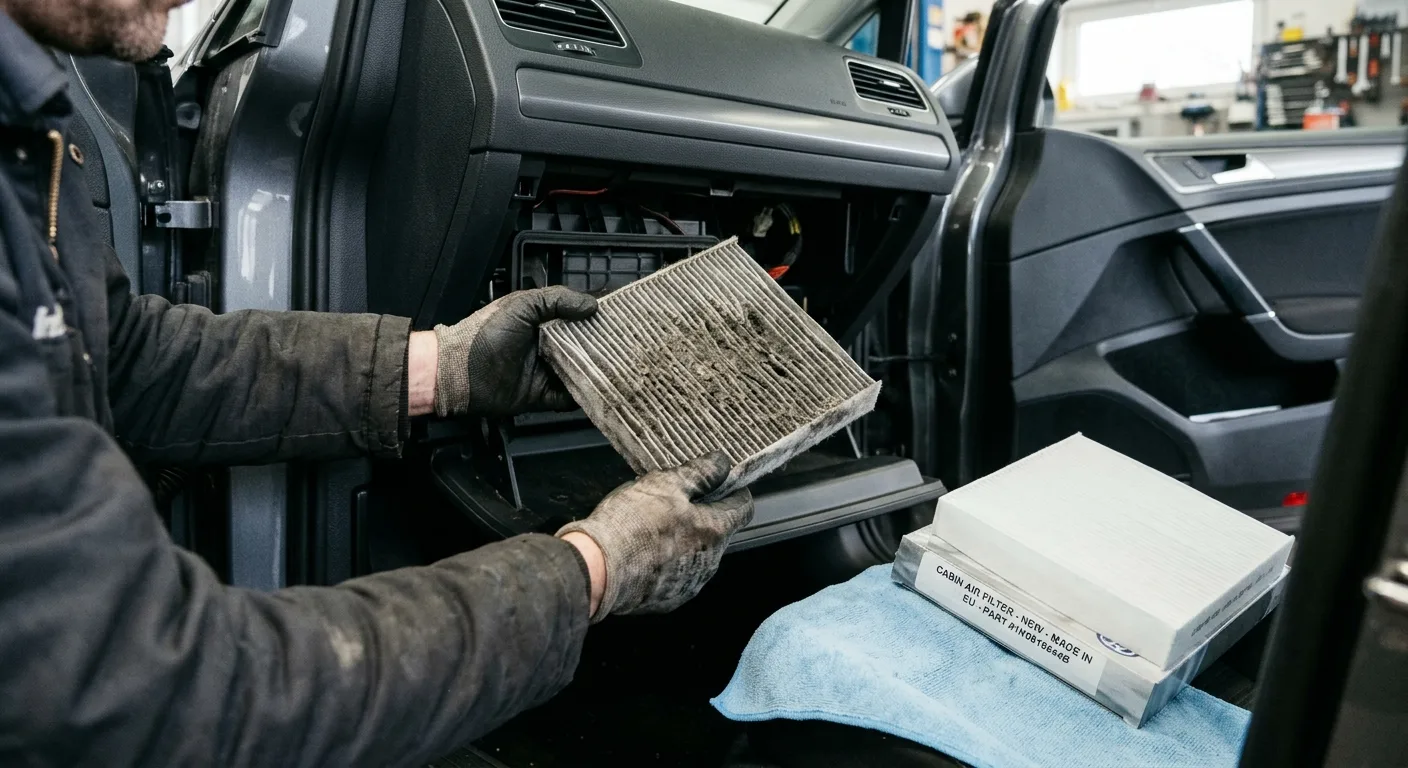
While you are in reset mode, pull the cabin air filter. A clogged filter restricts airflow, and the system may interpret low airflow as a fault. Replace it if it looks grey and packed with debris. This is a $15 to $40 part on most cars, and it takes five minutes.
Also check that the blower runs on every speed. If it only works on high, you have a blower resistor or control module issue, not a reset problem. The step-by-step car guides cover blower diagnosis if you want to go deeper.
Step 7: Take a test drive and verify
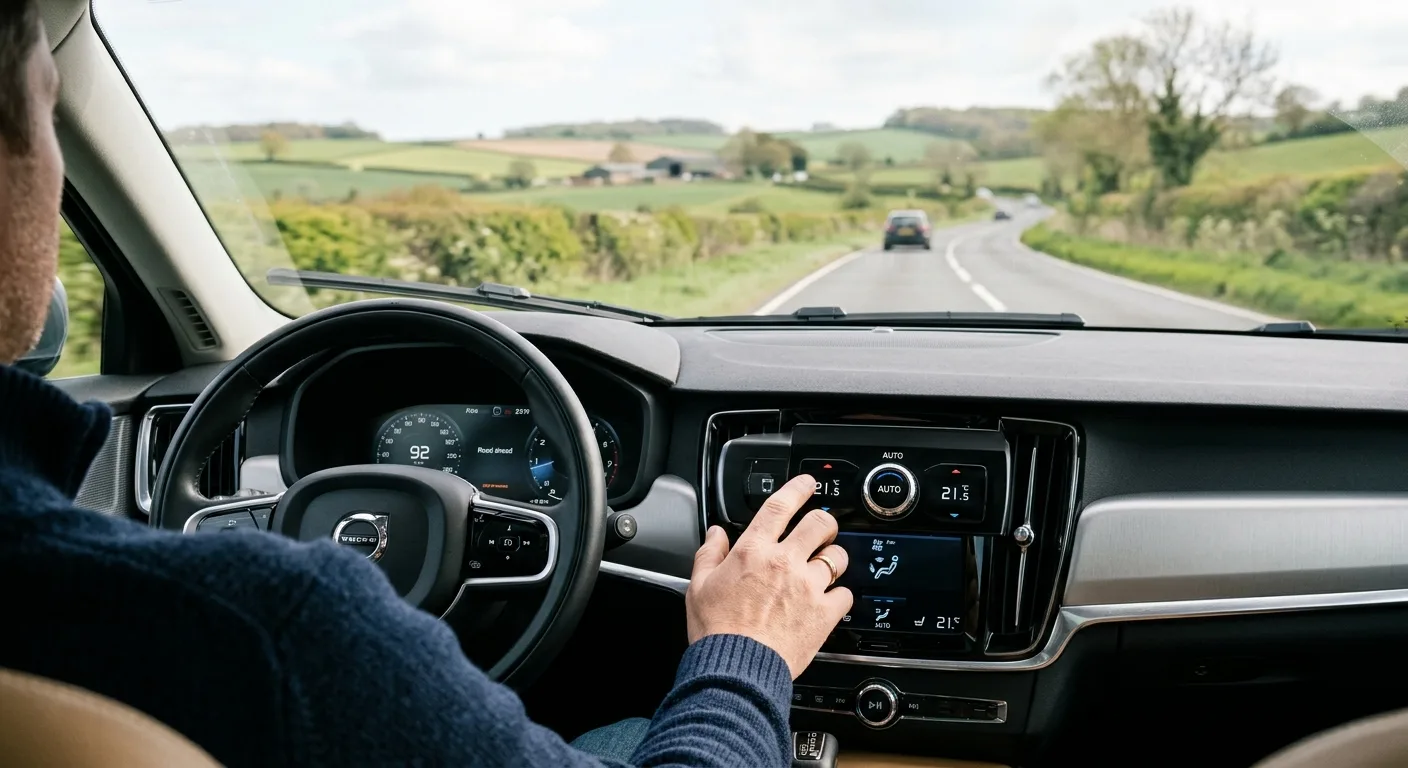
Drive for ten to fifteen minutes with the climate control on auto, if you have it. Watch for the vents moving to the right positions and the temperature stabilizing. If the system still blows warm on the cold setting, or the defrost will not clear, you may have a refrigerant or actuator problem.
Safety note: do not open the AC system yourself. Refrigerant is under pressure and can cause frostbite or eye injury. Leave that to a shop with the right equipment.
Tip: if the air is cold but the vents are wrong, it is almost always an actuator or calibration issue. If the air is warm everywhere, suspect refrigerant or a blend door stuck on hot.
Pro tips
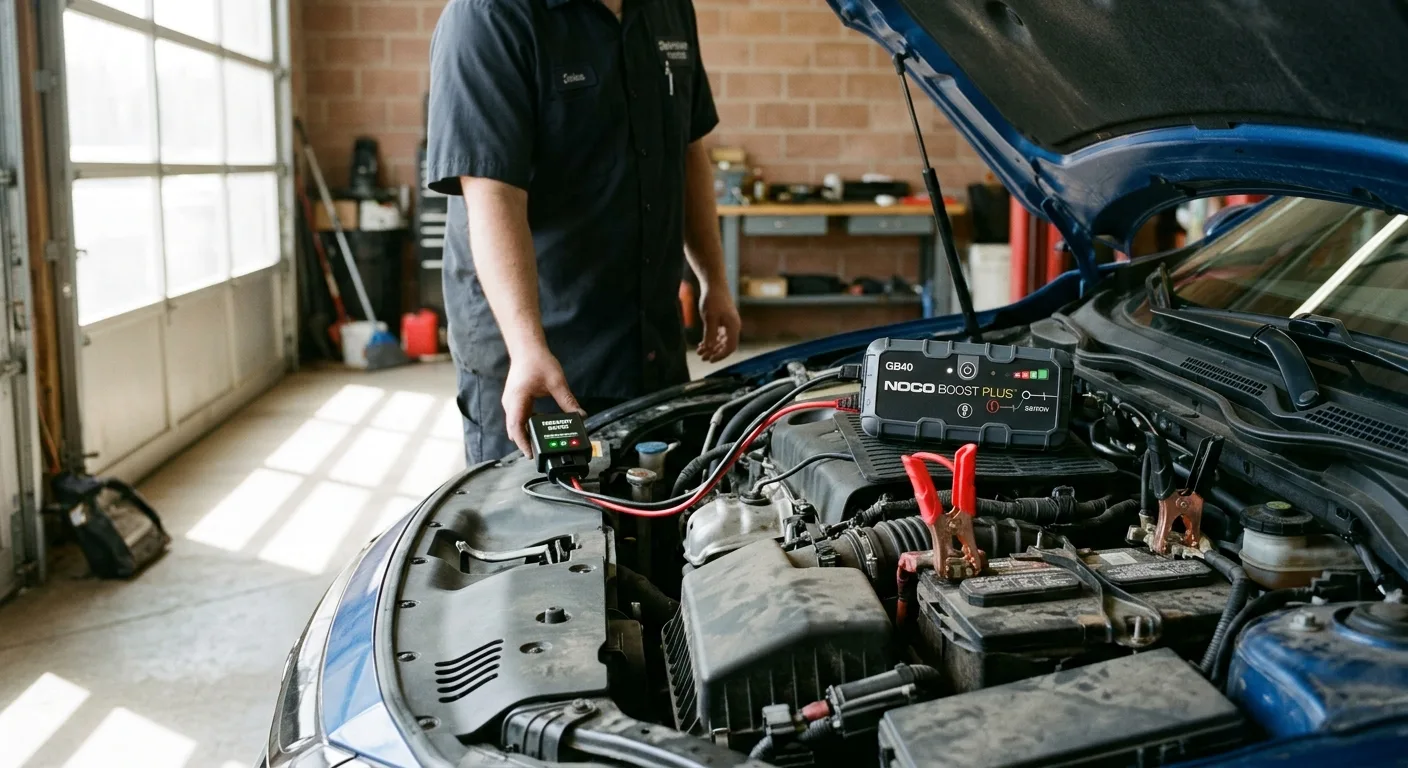
- Do the relearn with a fully charged battery. A weak battery causes failed calibrations and weird codes.
- If you have to disconnect the battery again, use a memory saver plugged into the OBD port or a jump pack on the terminals. It keeps the climate control memory alive.
- Write down your radio presets and seat positions before any battery work. You will thank yourself.
- After a reset, set the climate control to auto and leave it alone for a few drive cycles. Constant fiddling confuses the learning process.
- If the system behaves oddly for a week, check for pending codes with the free car tools before assuming the worst.
- Keep a photo of your fuse box layout. A blown HVAC fuse looks exactly like a failed reset.
Common pitfalls
- Skipping the owner's manual. Every car is different, and the generic sequence you found online may be for a different generation.
- Resetting with the engine off. Voltage drops during the process and the module aborts.
- Clearing codes before writing them down. You lose the clue that would have saved you an hour.
- Ignoring a weak battery. If the new battery is not fully charged, the climate control will keep losing its calibration.
- Assuming the worst. Most post-battery climate problems are calibration issues, not failed parts. Try the reset twice before you buy anything.
Useful resources
- Your owner's manual, for the model-specific relearn sequence
- The AutoTools blog for related maintenance walkthroughs
- The expert car tips section for shortcuts on common jobs
- The AI mechanic assistant if you want to describe a symptom and get a direction to check
- The mechanic quiz to test your diagnostic instincts before you start pulling panels
FAQ
How long does a climate control reset take? Usually 15 to 30 minutes including the idle time and test drive. Dealership relearns can take longer if they need to run a full calibration.
Will disconnecting the battery again undo the reset? Yes, on most cars. Use a memory saver if you need to disconnect again soon after.
Do I need a scan tool? Not always. Many cars relearn on their own or with a button sequence. Automatic climate systems and some European models often need a tool.
Why is my AC blowing warm after the battery change? Most likely the blend door lost its calibration and is stuck on heat. Run the hot-to-cold sweep first, then check for codes.
Can I damage anything by resetting it myself? The button sequences and sweep methods are safe when done per the manual. Avoid poking at connectors or opening the refrigerant system.
Final word
A battery change is a small job with a big ripple. The climate control forgetting its settings is normal, and it is almost always fixable in your driveway with patience and the right sequence. Work through the steps in order, keep notes, and do not buy parts until you have tried a proper relearn. You have got this.