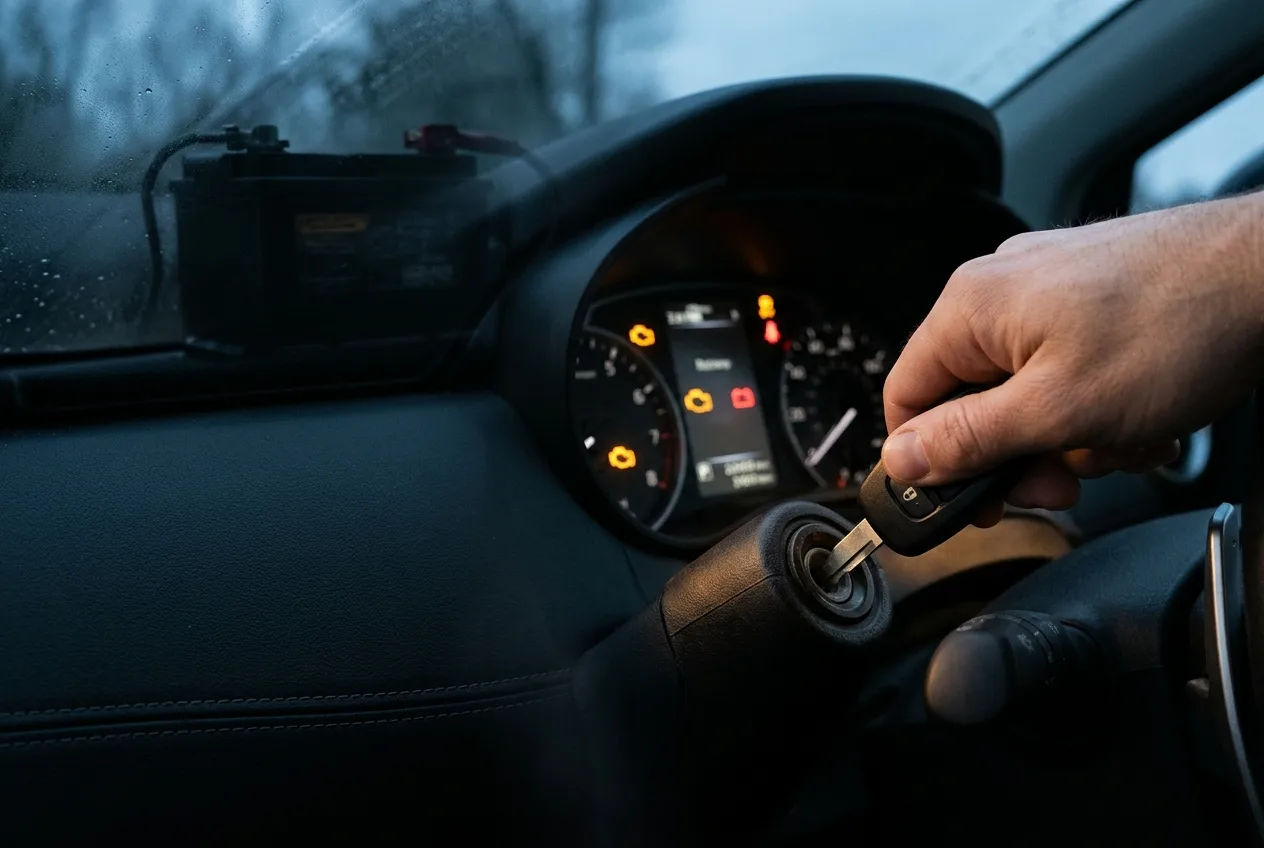
Your AC is blowing warm on one side, the blower has a mind of its own, or the vents are stuck on defrost no matter what you press. Before you book a shop appointment, try a reset. In most cars this takes 10 to 20 minutes, costs nothing, and fixes a surprising number of "the climate control is possessed" complaints.
By the end of this guide you will know how to do a basic battery-disconnect reset, how to run a climate control recalibration on cars that support it, and how to tell the difference between a software glitch and a real hardware fault.
What you need before you start

- Your owner's manual (seriously, the reset procedure varies by make and model)
- A 10mm wrench or socket for the negative battery terminal on most cars
- Safety glasses and gloves
- A scan tool if you have one, ideally one that reads body/climate control codes, not just engine codes
- A phone to photograph any settings or radio codes before you pull power
- About 10 to 20 minutes, plus another 10 to 15 if you need to redo radio presets and window positions afterward
Step 1: Confirm it actually needs a reset

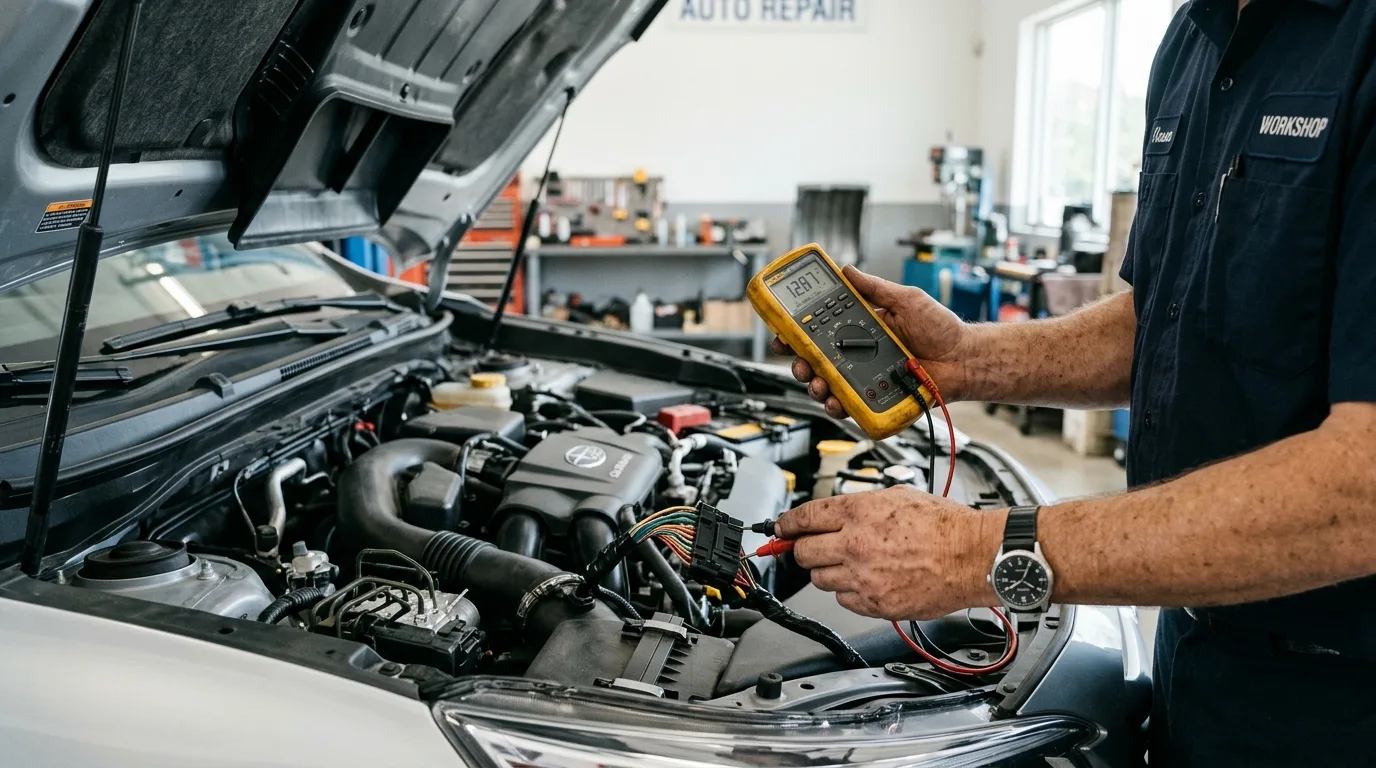
A reset fixes logic glitches and lost calibration. It does not fix a failed blend door actuator, a leaking system, or a dead blower motor resistor. Spend two minutes ruling those out.
- Does the blower run at all on any speed? If not, suspect the blower motor, its fuse, or the resistor.
- Does one side stay hot while the other blows cold? That often points to a blend door actuator, though a calibration reset can still help if the actuator is healthy.
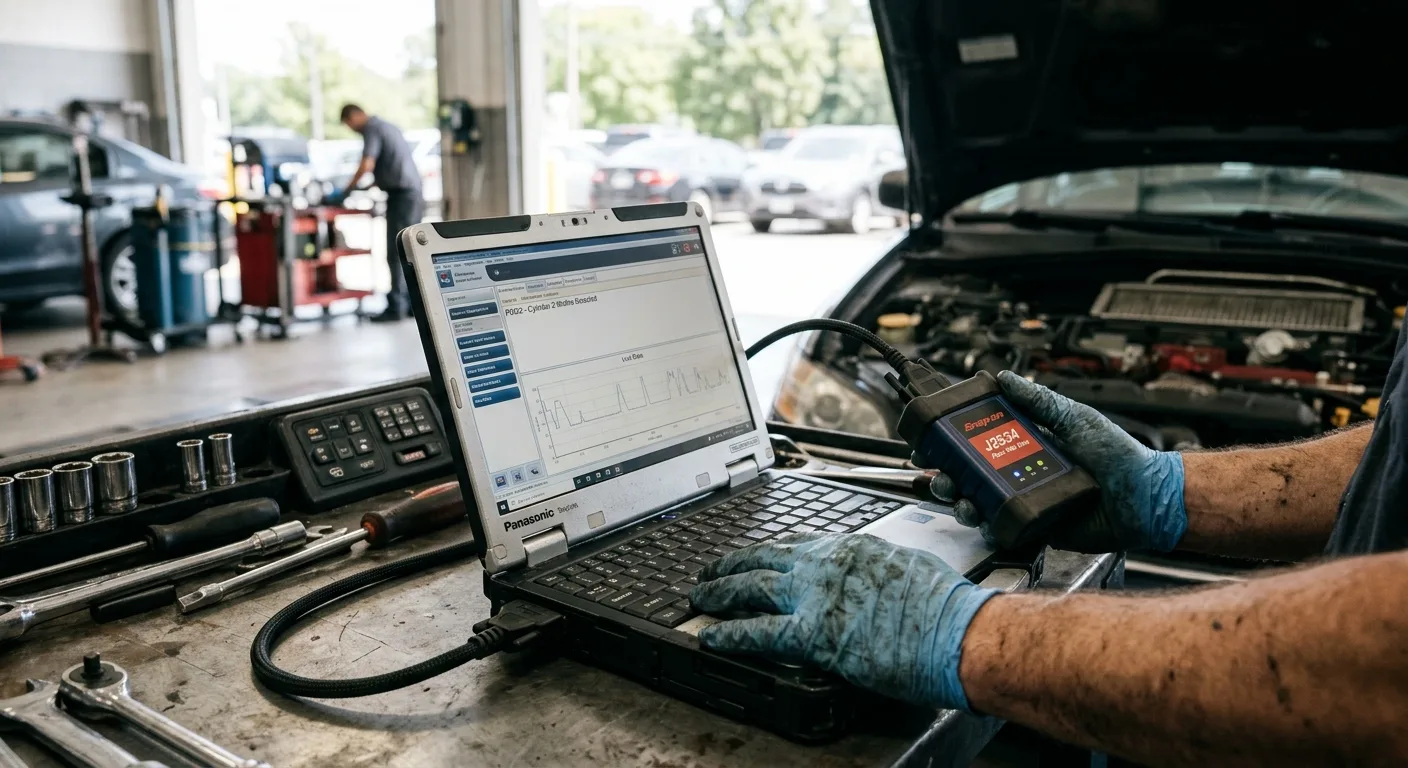
- Are there fault codes? A generic engine-code reader will not see climate codes, but a body-capable scanner will. If you have codes, run them through the free OBD code lookup to see what you are dealing with before you start pulling fuses.
If the system is completely dead, a reset will not bring it back. Move to diagnosis instead.
Step 2: Note your settings and prepare for the battery disconnect
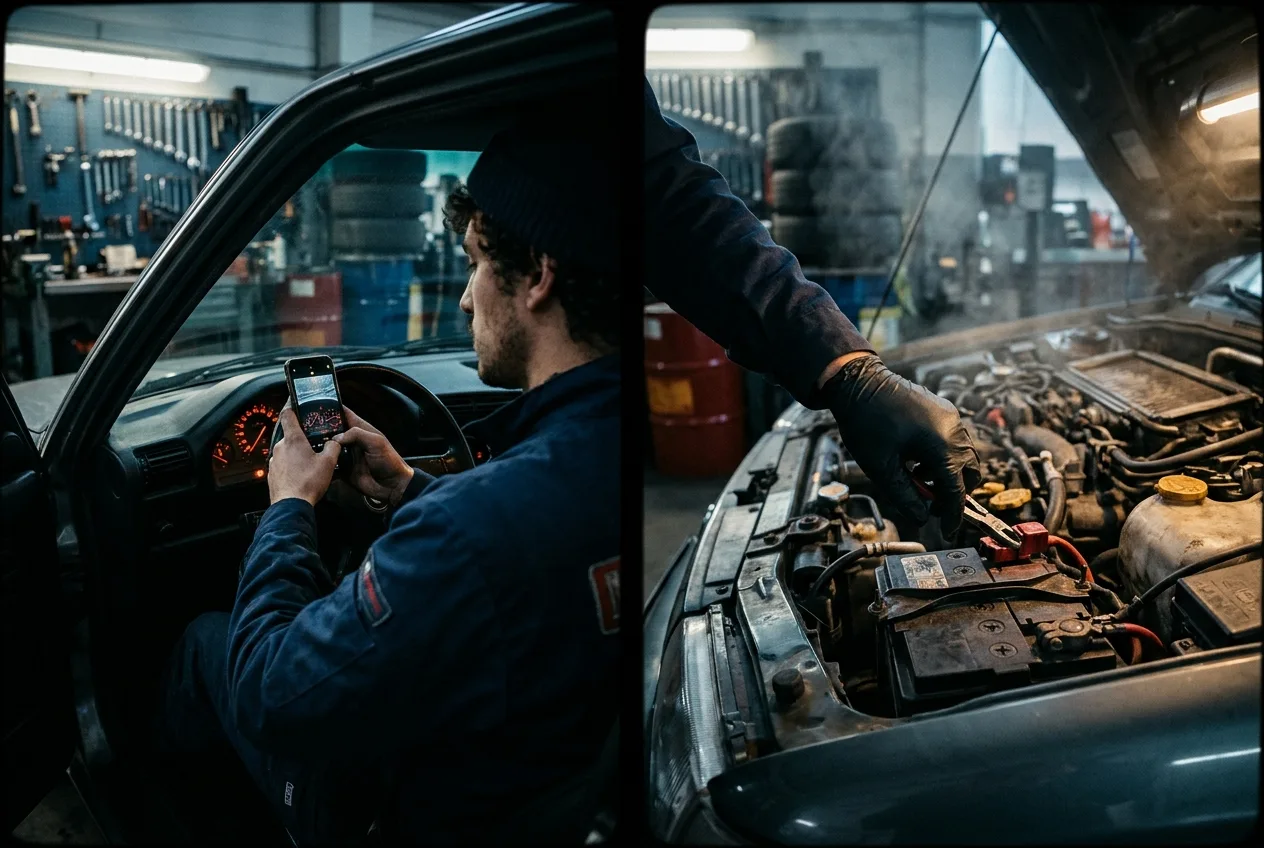
If you are doing the battery method, write down or photograph radio presets, seat memory positions, and anything else you care about. Some cars will need a radio security code after power loss.
Safety warning: disconnect the negative terminal first, never the positive. Keep the wrench away from the positive post while you work. If your car has a battery management system or a start-stop system, check the manual before disconnecting: some models want a specific procedure to avoid stored-code headaches.
Step 3: Do the battery disconnect reset (the universal method)
This is the blunt instrument. It clears volatile memory in the climate control module, which is exactly what you want when the head unit has locked up.
- Key off, everything off, doors closed.
- Loosen the negative battery terminal and lift the cable off the post.
- Wait 10 to 15 minutes. Some modules hold memory longer than others, so do not rush this.
- Reconnect the negative terminal, snug it down, and do not overtighten.
- Start the car and let it idle for a minute.
Why it matters: this wipes learned values and forces the module to re-read its sensors from scratch. Tip: if your car has a separate climate control fuse, pulling that fuse for the same 10 to 15 minutes is gentler and skips the radio reset. Check the fuse diagram in your manual or on the fuse box lid.
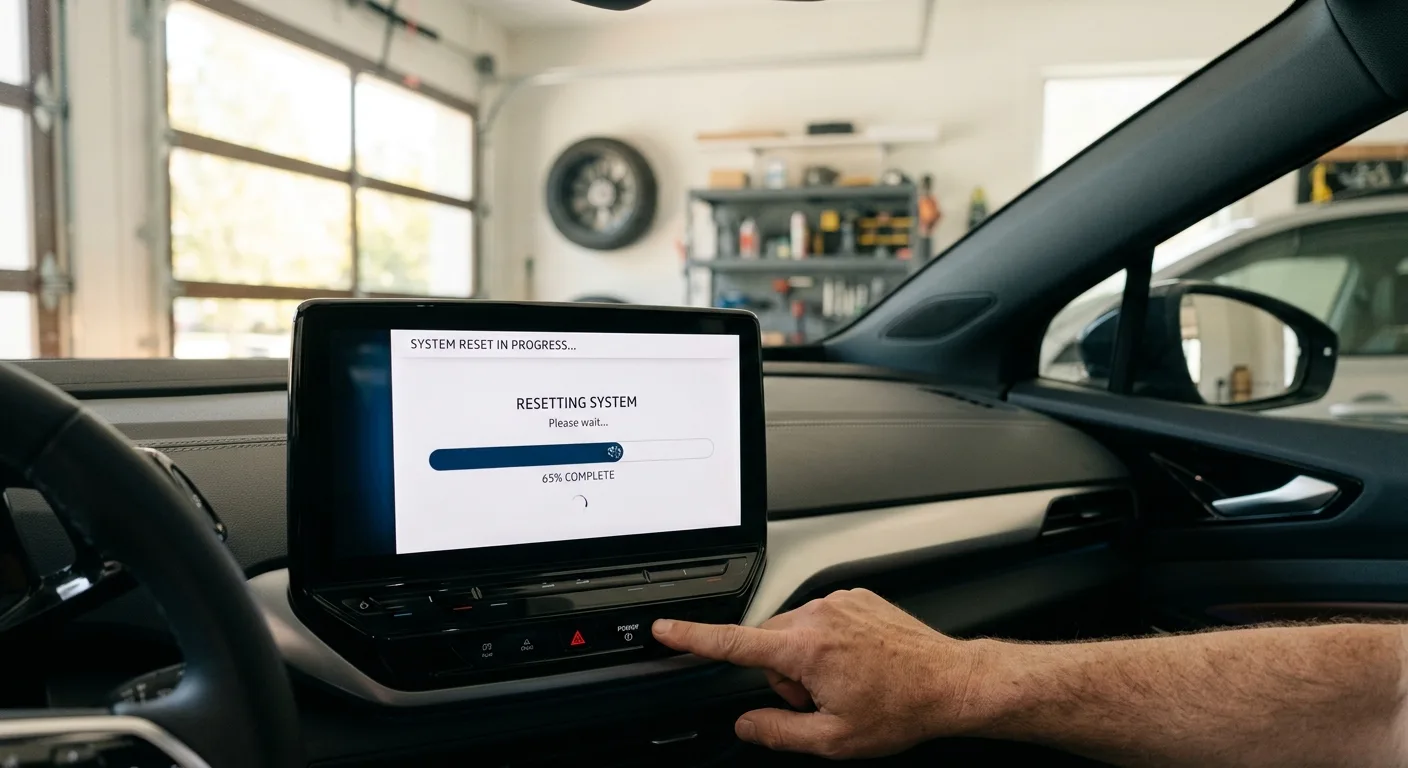
Step 4: Run the built-in recalibration if your car has one
Many cars have a self-calibration routine for the blend doors and mode doors. The exact button combo varies wildly, so this is where the owner's manual earns its keep. Common patterns include holding a combination of defrost and recirculate buttons while turning the key on, or a sequence through the temperature buttons.
Why it matters: calibration teaches the module where "full hot," "full cold," and each vent position actually sit. If those endpoints drifted, you get warm air on one side or air out of the wrong vents. Tip: do it with the engine running or the key in the run position with a good battery, and do not touch any climate buttons during the cycle. It usually takes 30 to 60 seconds and you will often hear the actuators sweep through their range.
If you cannot find the procedure, the step-by-step car guides cover a lot of make-specific routines.
Step 5: Check for codes and live data
After the reset, drive the car for a few minutes with the climate control on and see if the fault returns. If it does, stop guessing and read the data.
A scan tool that shows live climate data lets you watch actuator positions and sensor readings as you change settings. The OBD live-data tool is a good starting point for understanding what to look for, and the AI mechanic assistant can help you interpret a code you do not recognize.
Tip: if the same actuator code comes back within a day of the reset, that part is probably failing. A reset buys you time, not a repair.
Step 6: Relearn the basics and test everything
Reconnect everything, then run through the full range: max AC, max heat, defrost, floor, panel, recirculate, and each blower speed. Do it with the engine running so you have real voltage.
Why it matters: a reset can leave the module in a default state until it sees each command once. Tip: let the car idle for a few minutes and listen. Actuators that click repeatedly or buzz are telling you they are on the way out.
Pro tips
- Try the fuse pull before the battery disconnect. It is faster and saves your radio presets.
- Do resets with a healthy battery. A weak battery causes weird module behavior and can make you chase a ghost.
- If you have a scan tool, clear climate codes after the reset so you know a returning code is fresh, not old.
- Photograph the fuse box layout before you touch anything. Ten seconds now saves twenty minutes later.
- Cold mornings are a good test window: a system that works cold but fails warm has a different problem than a logic glitch.
- If you are not sure what a symptom means, run it through the car symptom finder before buying parts.
Common pitfalls
- Skipping the owner's manual. Reset procedures are not universal. Guessing a button combo can put the module into a diagnostic mode you did not intend.
- Leaving the battery disconnected too briefly. Ten minutes is the floor for most modules. If the fault persists, try longer before assuming the reset failed.
- Assuming a reset is a repair. It clears learned values. It does not fix a stuck blend door or a low refrigerant charge.
- Ignoring the radio code. Some cars lock the radio after power loss. Find the code before you disconnect, not after.
- Testing with the engine off. Voltage sags and the module may not complete calibration. Run the engine.
Useful resources
Keep a scan tool that reads body codes on your shelf if you plan to do this yourself. The free car tools collection covers code readers, calculators, and checklists. For background on how the parts you are testing actually work, the mechanical encyclopedia is a solid reference. And if you want to sharpen your diagnostic instincts, the mechanic quiz is a fun way to spend ten minutes.
FAQ
Will a reset hurt my car? No, as long as you disconnect the battery correctly and reconnect it snugly. You may lose radio presets and window auto-up positions on some cars.
How often can I do this? As often as you need to, but if you are resetting monthly, something is failing. Find the cause.
Why did the problem come back after a day? That usually means a hardware fault, not a software glitch. Read the codes and test the suspect actuator or sensor.
Do I need a scan tool? Not for the reset itself. You do need one to read climate codes and confirm the fix.
My AC blows warm after the reset. What now? Check refrigerant charge and blend door operation. A reset will not fix a system that is low on gas.
Final word
Most climate control gremlins are either a glitch a reset clears or a part that needs replacing. You now know how to tell the difference. Start with the cheap, reversible steps, keep notes, and do not throw parts at it. You have got this.