Engine oil explained: viscosity, specs and myths
What the numbers on the bottle mean, why spec matters more than brand, and the common oil myths mechanics see every day.
Reading the label: 5W-30
The "5W" is the cold viscosity — how thick the oil is at low temperature (the W means winter). The "30" is the hot viscosity at 100 °C. Thinner cold oils flow faster on a cold start, protecting bearings sooner.
- Lower cold number (0W, 5W): easier cold starts
- Higher hot number (40 vs 30): more protection at high heat and load
- The correct grade for your engine is in the manual
Spec matters more than brand
Viscosity is only half the story. The specification (API for gasoline, ACEA in Europe, plus manufacturer specs like VW 508, BMW LL-04) defines the additive package. Using the wrong spec can starve a turbo or clog a diesel particulate filter.
Common myths
- "Thicker oil stops leaks" — it can mask a leak but starve critical galleries
- "You must change at exactly the interval" — intervals are worst-case; short trips justify sooner
- "Oil additives fix engines" — they rarely fix a real mechanical problem
- "Dark oil means it is dirty" — dark oil is doing its job cleaning; change by interval, not color
Checking the level correctly
- Park on level ground, engine off for 5 minutes
- Pull the dipstick, wipe, reinsert, pull again
- Top up in small amounts between MIN and MAX
- Never overfill — excess oil can damage the engine
Questions about this article
Related articles

10 Signs It's Time to Replace Your Car Battery
Your battery rarely dies with a dramatic announcement. Usually it whispers first — a slow crank on a cold morning, lights that dim at idle, a clock that resets itself. This article walks through the ten signs that actually matter, answers the questions people ask most about car batteries, and tells…
Read the article →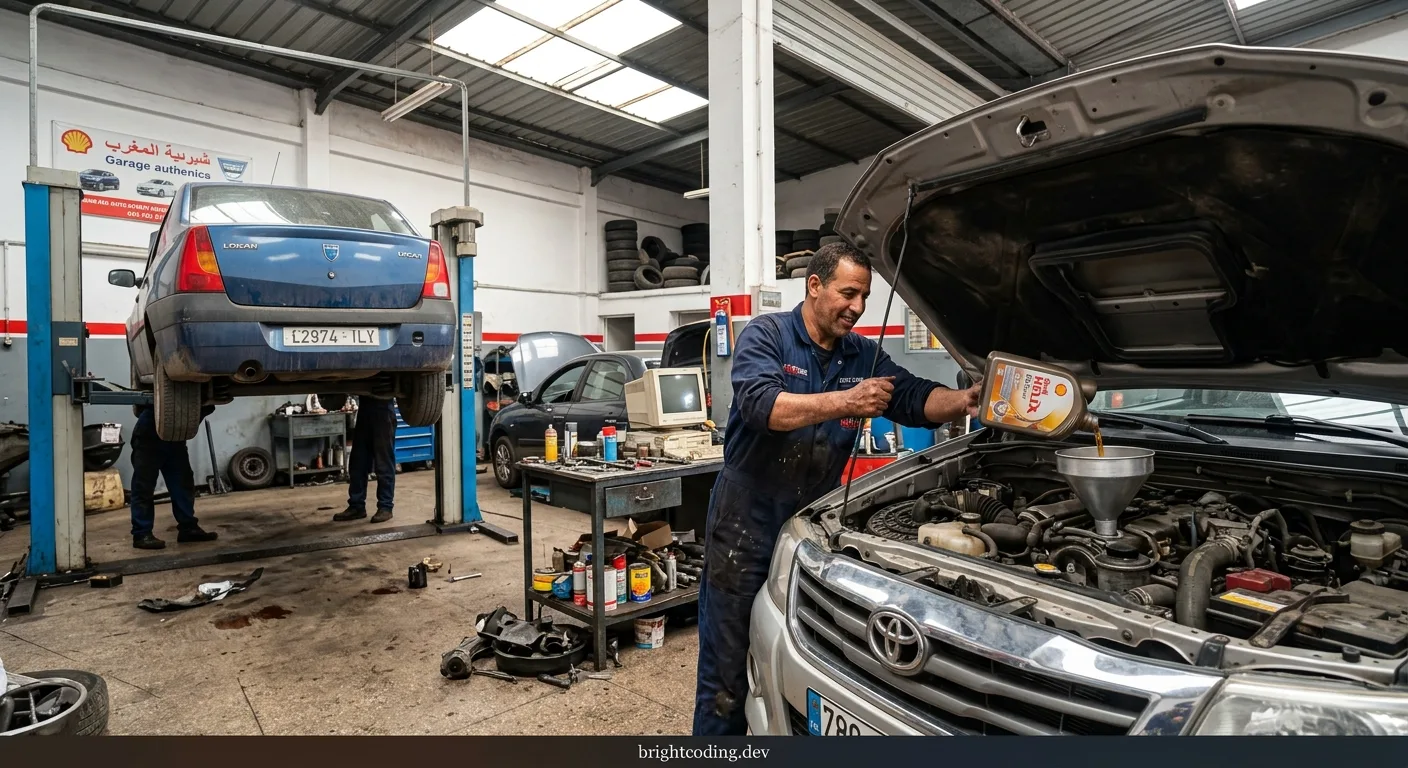
How Often Should You Really Change Your Engine Oil?
The 3,000-mile oil change is one of the most successful marketing campaigns in automotive history. It's also mostly obsolete. By the end of this guide you'll know how to figure out the right interval for your car, your driving, and your oil — not the number some quick-lube poster taped to the wall.…
Read the article →
Free Car Diagnostics: The Best Methods to Try in 2026
Discover the best free car diagnostic methods of 2026, from AI-powered symptom checkers to live OBD scanners, and learn how to troubleshoot your vehicle without spending a dime at the dealership.
Read the article →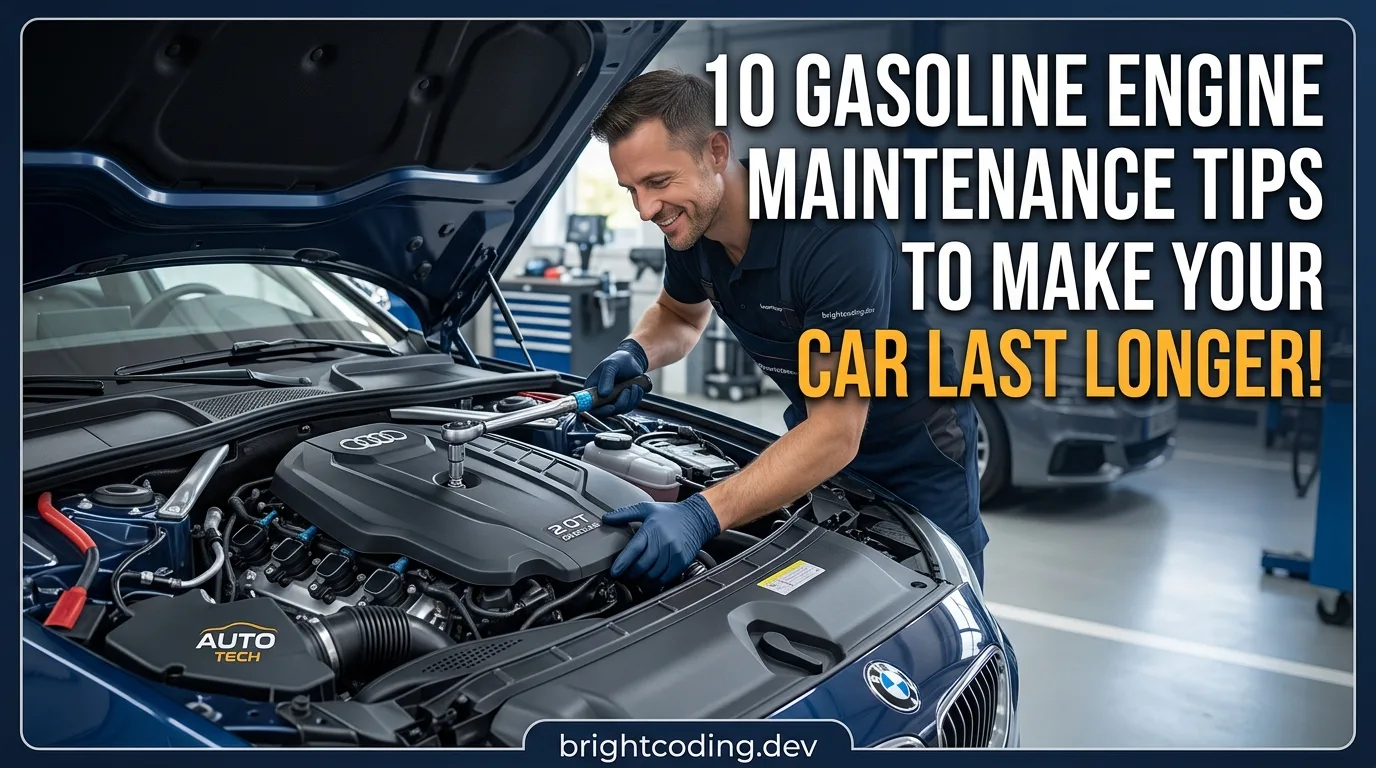
10 Gasoline Engine Maintenance Tips to Make Your Car Last Longer
Your engine doesn't die suddenly. It dies by a thousand small neglects, most of them cheap to fix and easy to postpone. This is the short list of habits that quietly add years to a gasoline engine, and the mistakes that quietly take them away.
Read the article →
Petrol vs Diesel: Which Engine Is Cheaper to Maintain?
You are standing in a dealer lot or scrolling through listings, and the same question keeps surfacing: petrol or diesel? The sticker price is only half the story. What you actually pay over five or seven years depends on servicing, parts, fuel, and how the car is driven. That is where the petrol vs…
Read the article →
Petrol vs Diesel Engine: Which One Is Really Better in 2026?
Buying a car in 2026 means you cannot dodge the petrol versus diesel question, especially if you are shopping used or looking at a nearly-new car that still has a combustion engine under the hood. Read this and you will know how to match the engine to your actual driving, work out what the fuel and…
Read the article →