12 Common Gasoline Engine Problems and How to Diagnose Them
Your check engine light comes on. The engine starts shaking at a red light. You hear a noise that wasn't there last week. Most people do one of two things: panic and hand the car to a shop with a blank check, or ignore it until the problem gets expensive.
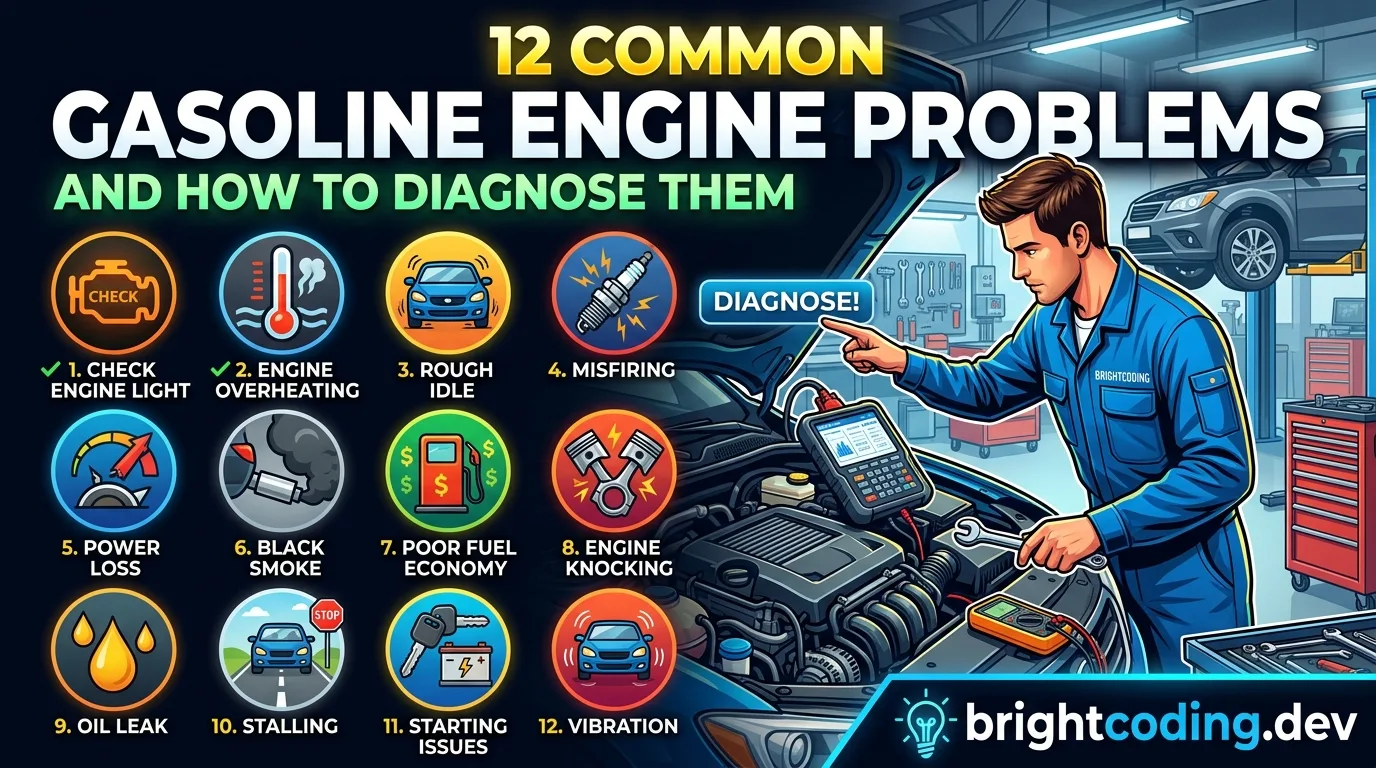
Your check engine light comes on. The engine starts shaking at a red light. You hear a noise that wasn't there last week. Most people do one of two things: panic and hand the car to a shop with a blank check, or ignore it until the problem gets expensive.
This article is the middle path. Twelve problems that gasoline engines actually develop, how to tell them apart, and what each one usually costs you in time and money if you catch it early. No scare tactics, no jargon walls.

Why most people get this wrong
Diagnosis is not the same as repair. You don't need to fix the engine yourself to save money. You need to know what you're likely dealing with before someone else tells you.
The second trap is treating every symptom as unique. A rough idle, a misfire and a hard start are often the same root cause wearing different hats. Once you learn the handful of systems that cause most gasoline engine trouble, the guessing stops.
And the third: waiting for the light to flash. A steady check engine light is a nudge. A flashing one is an emergency. That distinction alone has saved a lot of catalytic converters.
1 - Ignoring the difference between a steady and flashing check engine light

Picture this: your light comes on during your commute, you decide to deal with it "this weekend," and by Saturday the car is misfiring hard enough to shake the steering wheel.
A flashing check engine light means raw fuel is being dumped into the exhaust and cooking your catalytic converter. That's a several-hundred to well-over-a-thousand-dollar part, depending on the car. People miss it because a steady light feels equally scary, so they tune both out.
Avoid it: steady light, drive gently and scan it soon. Flashing light, pull over. Then read the code properly instead of guessing at the name of the part.
2 - Reading the code and replacing the part it names
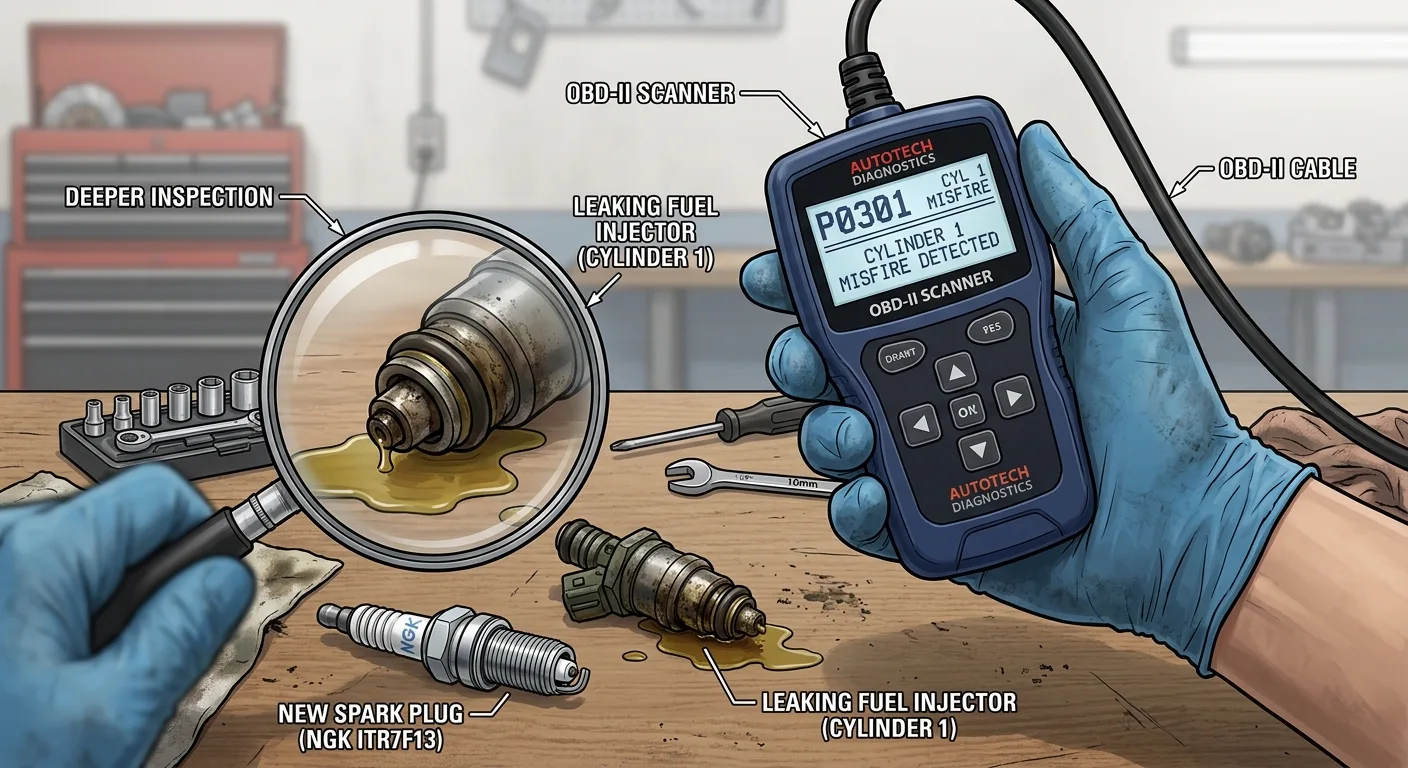
Someone scans a P0301, sees "cylinder 1 misfire," and buys a new spark plug for cylinder 1. The misfire stays. Turns out it was a leaking injector or a valve issue.
Codes describe symptoms, not culprits. The computer sees an oxygen sensor reading out of range, so it blames the sensor. The sensor might be fine and just reporting a vacuum leak upstream.
Avoid it: use the code as a starting point. Look up the OBD code lookup to see what the code actually means, then test the circuit before buying parts.
3 - Chasing a rough idle with parts instead of a smoke test
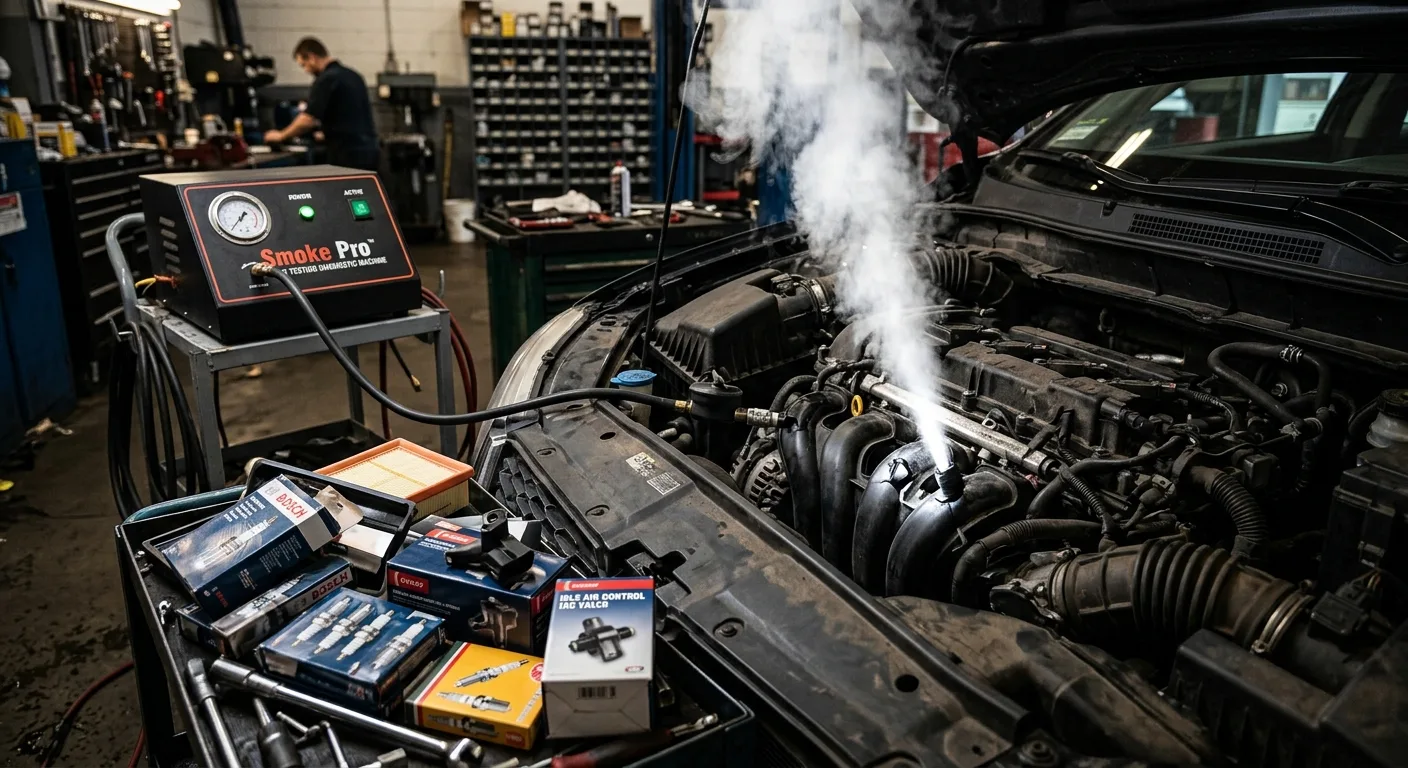
Your car idles like it's shivering, but smooths out the moment you touch the gas. You replace plugs, coils, and an idle air control valve. Still shivering.
That pattern screams vacuum leak. Cracks in intake hoses, a tired intake gasket, a stuck PCV valve. A smoke test finds it in ten minutes. Parts cannon, by contrast, finds it in three hundred dollars.
Avoid it: if the problem disappears above idle, suspect unmetered air before you suspect ignition.
4 - Assuming a hard start is always the battery
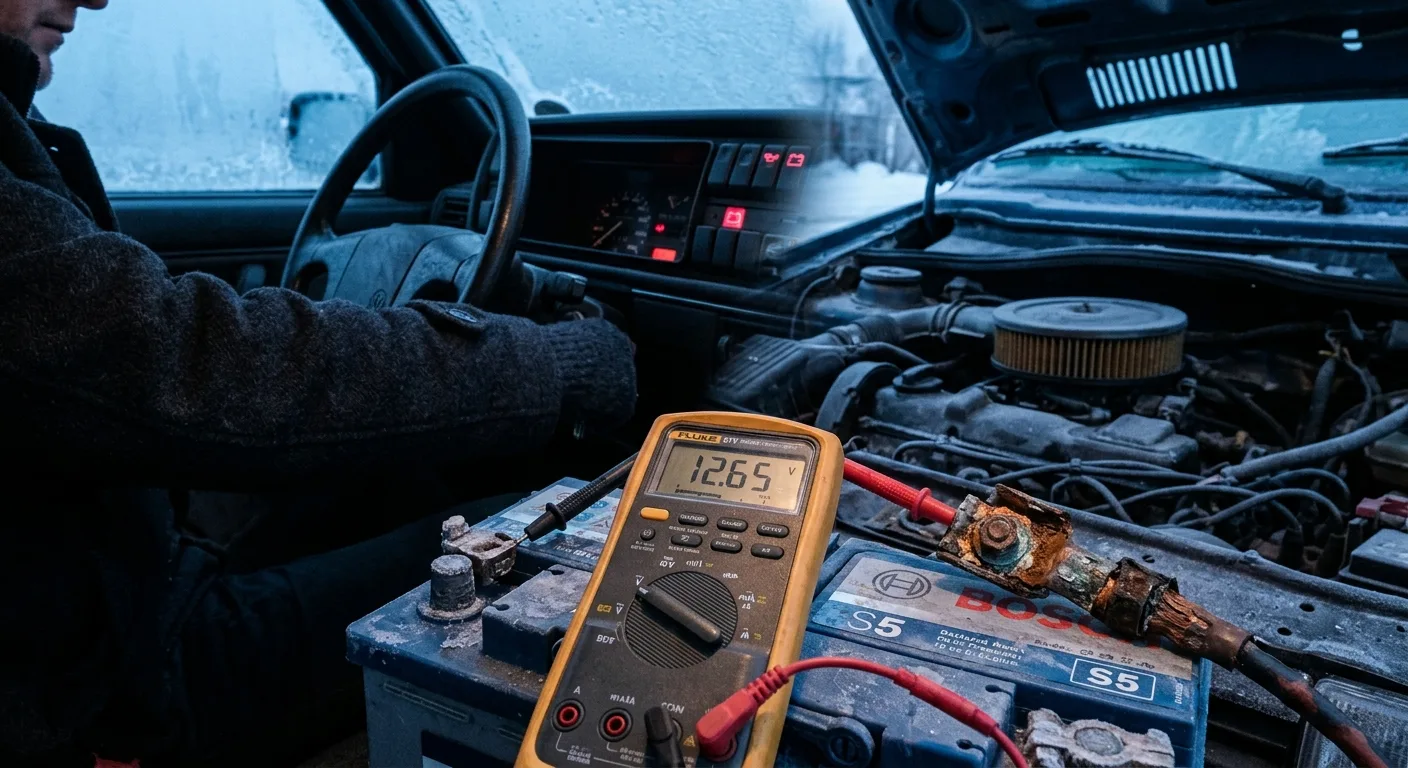
Cold morning, engine cranks slowly, you assume dead battery. You buy a new one. Two weeks later, same slow crank. The real issue was a failing starter drawing too much current, or corroded cables.
People default to the battery because it's the cheapest and easiest swap. That's not diagnosis, that's a coin flip.
Avoid it: check battery voltage at rest and while cranking, then check the cables for corrosion. If both are healthy, the starter is the next suspect.
5 - Confusing an oil consumption problem with an oil leak
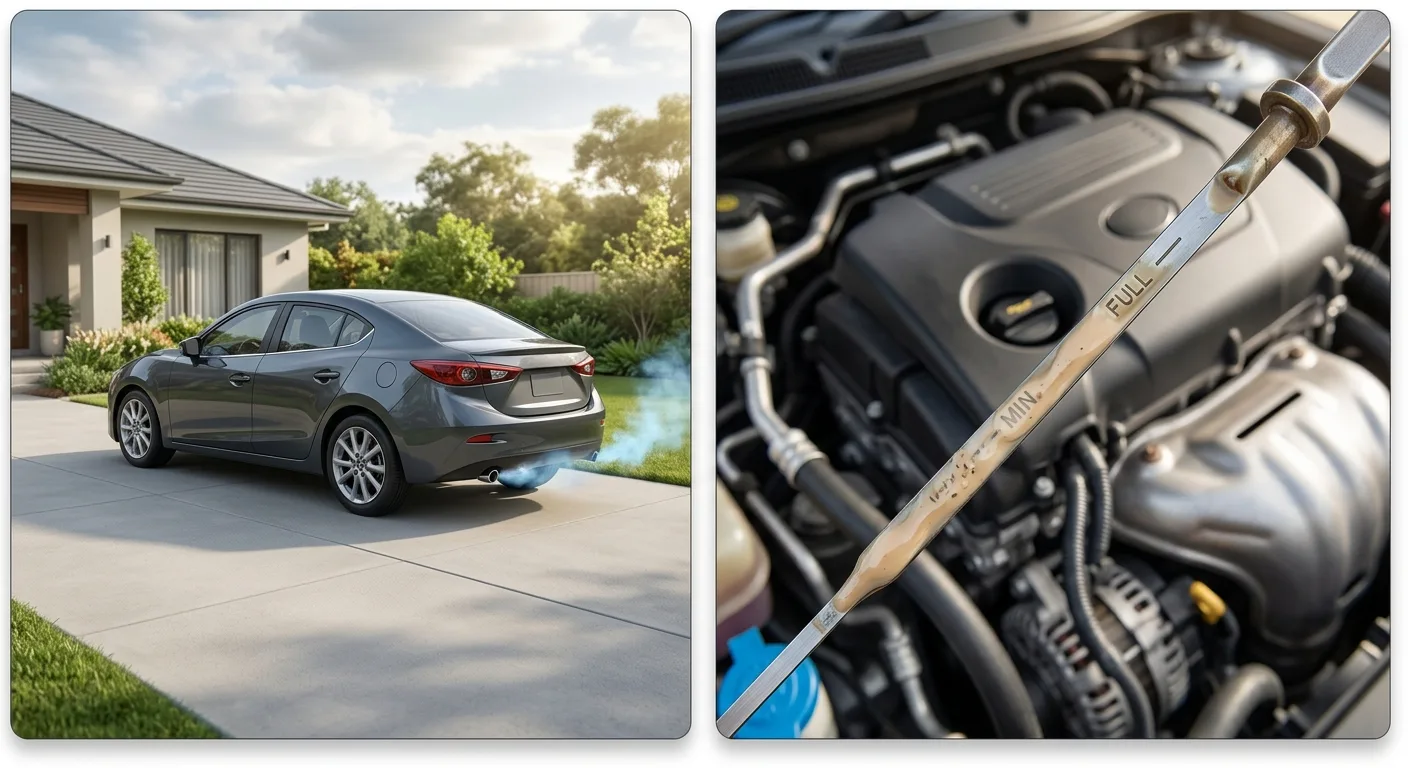
You top up a quart every 800 miles and never see a puddle. So you assume it's fine. It isn't. Oil is going somewhere, and if it's not on your driveway, it's going out the tailpipe or into your coolant.
Blue smoke at startup points to valve guides or seals. Blue smoke under load points to worn rings. A sweet smell and milky oil points to a head gasket, which is the one you can't ignore.
Avoid it: track how much oil you're adding and when. That number tells a mechanic more than any description you can give.
6 - Calling every rattle "just an exhaust leak"
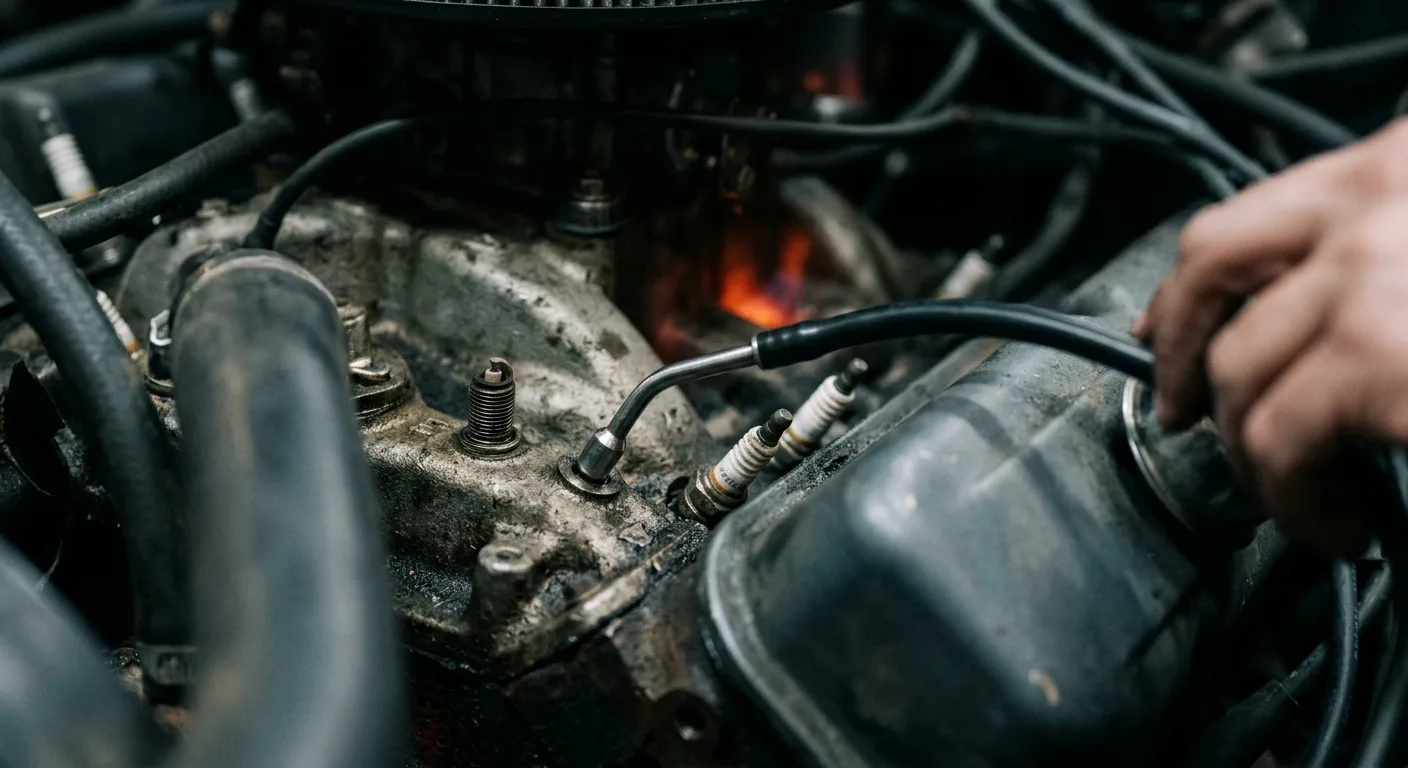
A ticking noise under the hood that speeds up with RPM is not always an exhaust leak. Sometimes it's a lifter, sometimes it's a loose spark plug, and sometimes it's pre-ignition, which can destroy a piston.
People dismiss it because the car still drives fine. That's exactly why it gets worse.
Avoid it: note when the noise happens (cold only, hot only, always), and don't keep driving on a noise that's getting louder.
7 - Overheating the engine and then just topping up the coolant
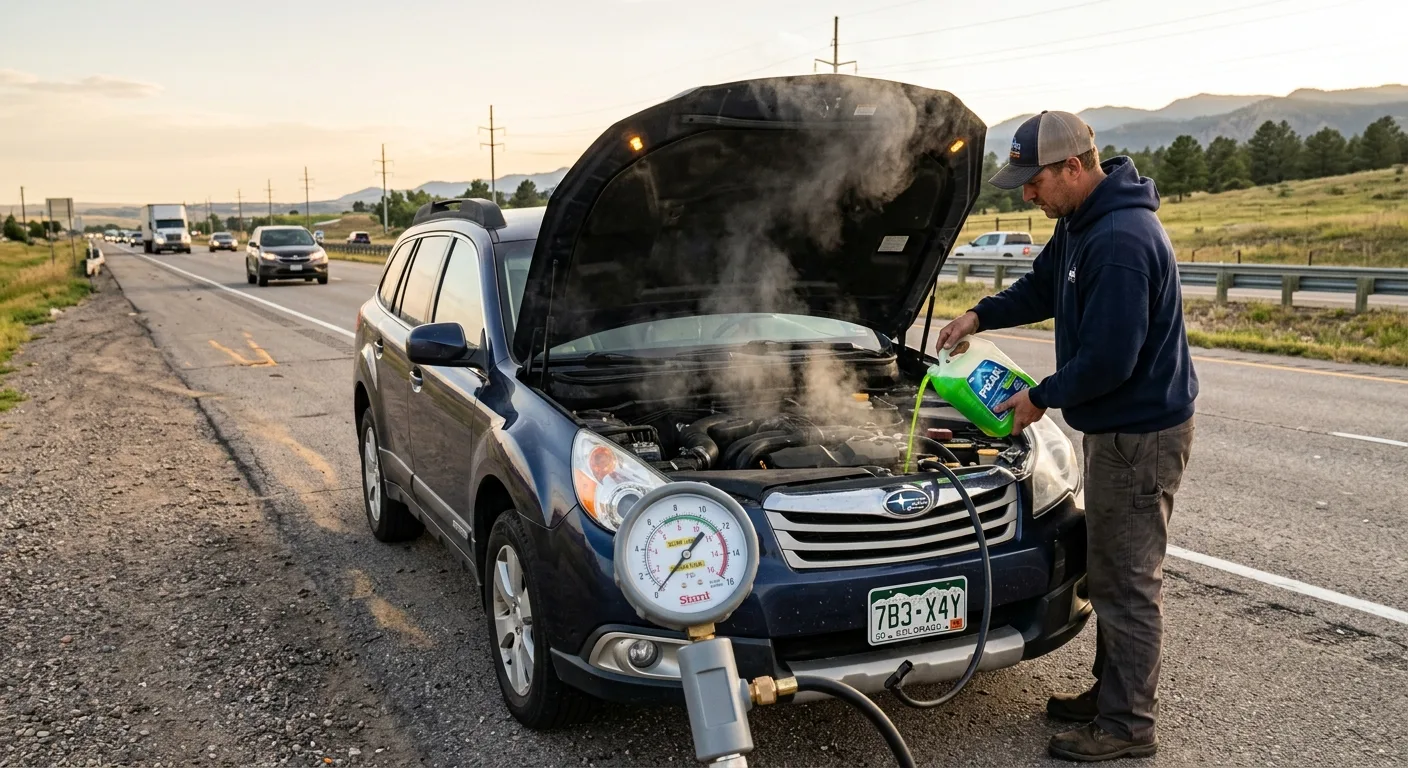
The temperature gauge spikes, you pull over, let it cool, add coolant, and drive home. Problem solved, right? Not if the coolant went somewhere.
A slow coolant loss with no visible leak usually means a failing head gasket, a cracked head, or a bad water pump seal. Topping up masks the symptom while the damage compounds.
Avoid it: if you're adding coolant more than once a month, pressure-test the system. The car symptom finder can help you match what you're seeing to likely causes.
8 - Blaming the fuel pump when the filter is clogged
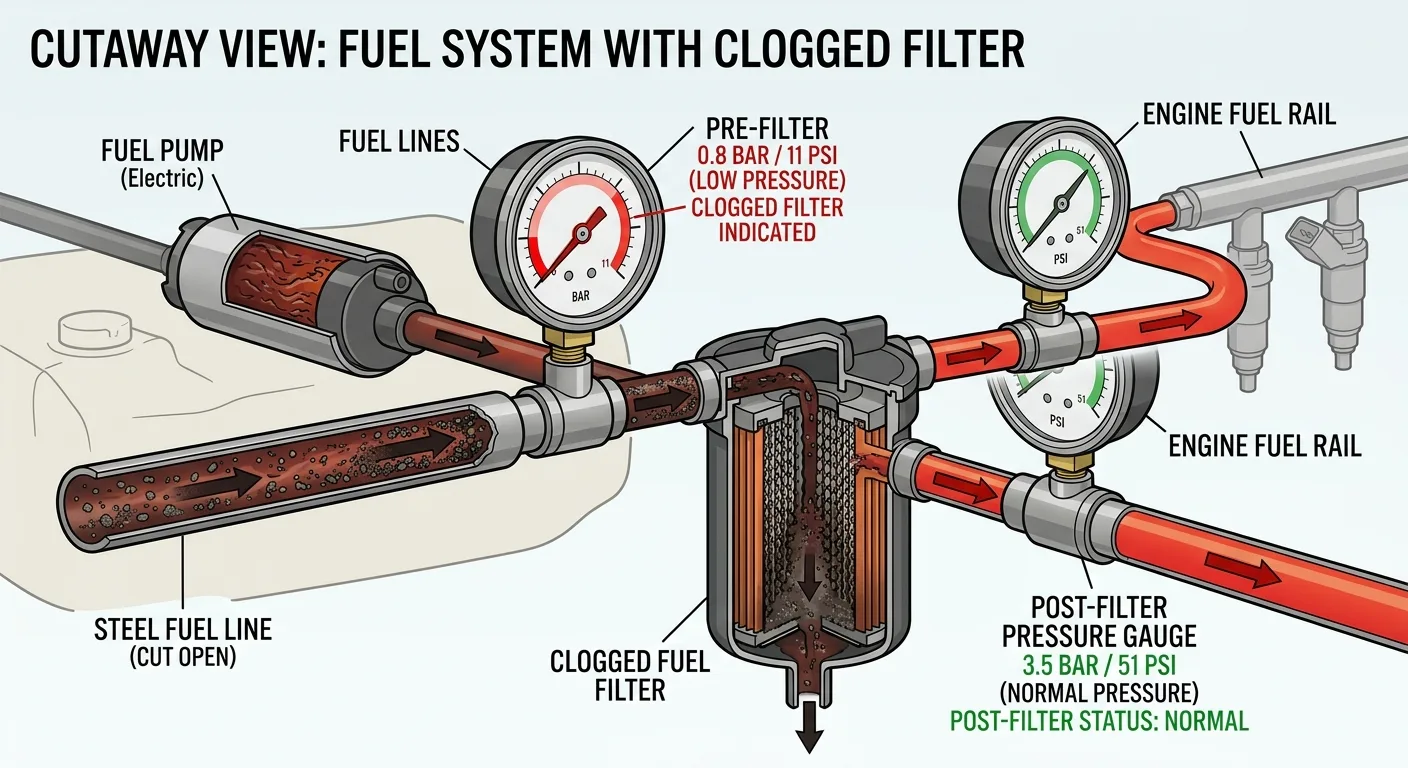
Engine loses power on hills, sputters at high speed, then runs fine at low speed. Fuel pump, you think. Maybe. But a clogged fuel filter produces almost the same behavior for a fraction of the cost.
People skip the filter because it's buried and awkward on many cars. That's a labor problem, not a diagnosis problem.
Avoid it: check fuel pressure before and after the filter. If pressure is low before and normal after, you just saved yourself a pump.
9 - Treating a misfire as a tune-up item
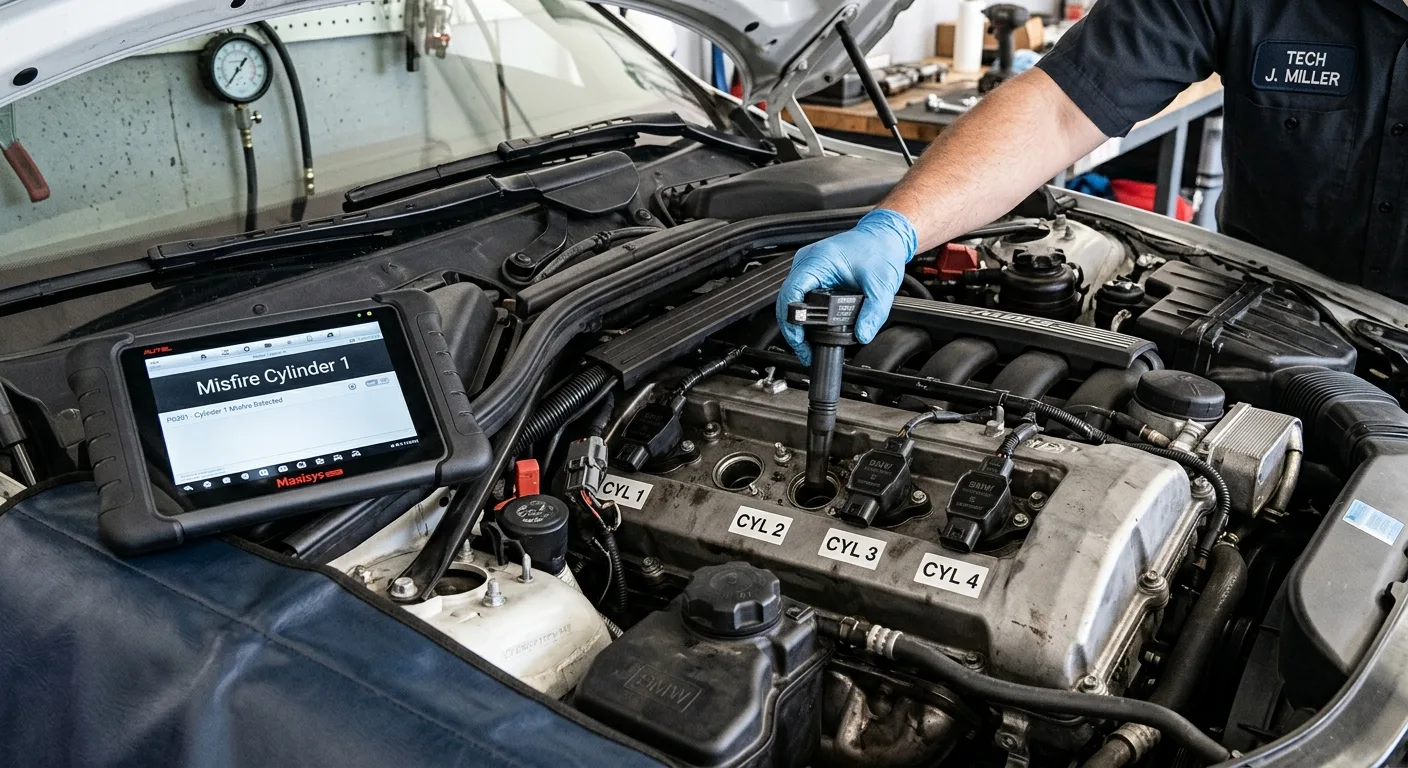
A misfire is not automatically "time for plugs." It could be a coil, an injector, a compression problem, or a wiring fault. Each has a different fix and a very different price.
The tell is in the behavior. Misfire only when cold? Suspect ignition. Misfire only when hot? Suspect fuel or compression. Misfire all the time? Could be anything.
Avoid it: swap the coil or plug to a different cylinder and see if the misfire follows. That one test narrows it fast.
10 - Ignoring the timing belt until it breaks
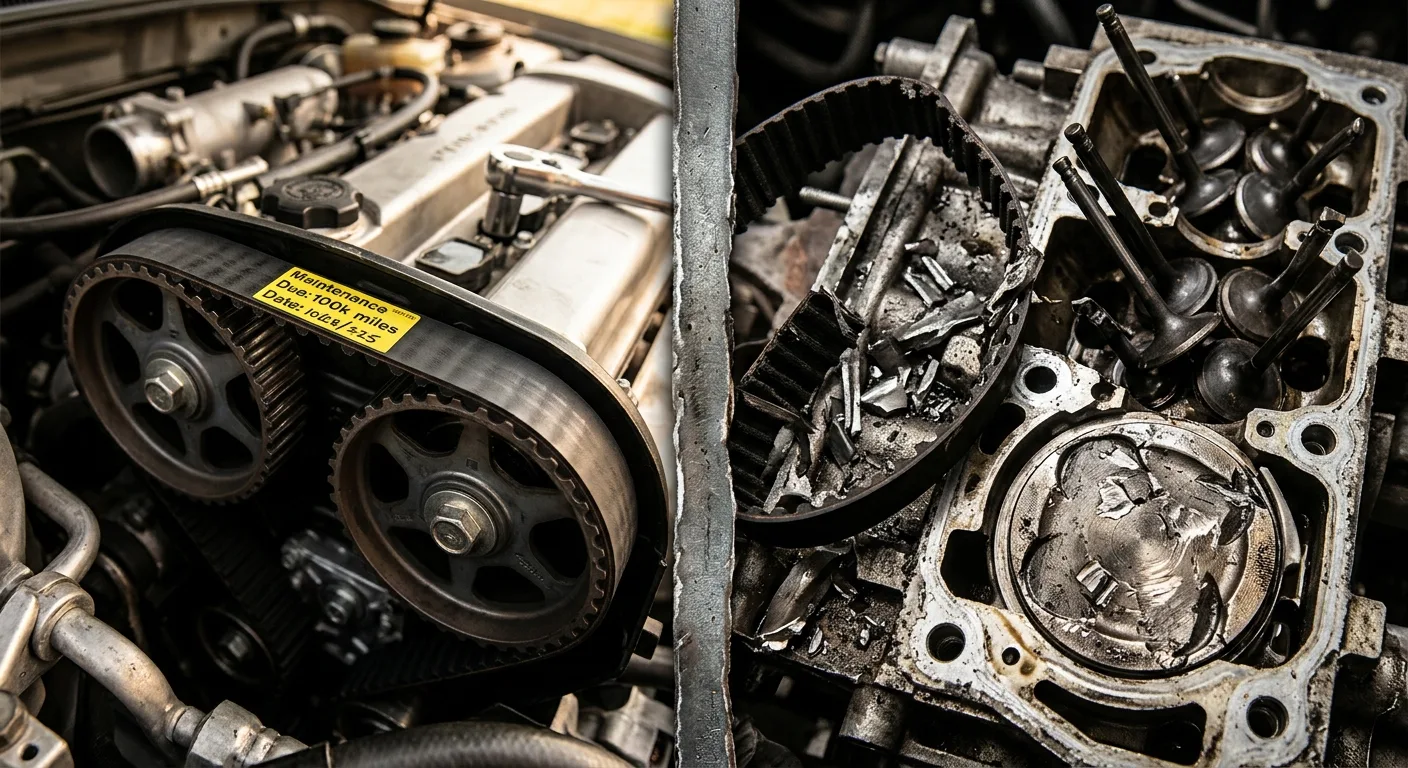
A timing belt is a maintenance item, not a repair item. When it snaps, valves and pistons can collide, and the bill jumps from a few hundred to a few thousand.
People ignore it because the car runs perfectly right up until it doesn't. There's no warning rattle, no light, no symptom.
Avoid it: check your owner's manual for the interval, and if you don't know when it was last changed, assume it's due. It's one of those jobs where the step-by-step car guides genuinely pay for themselves.
11 - Using the wrong octane to "fix" a knock
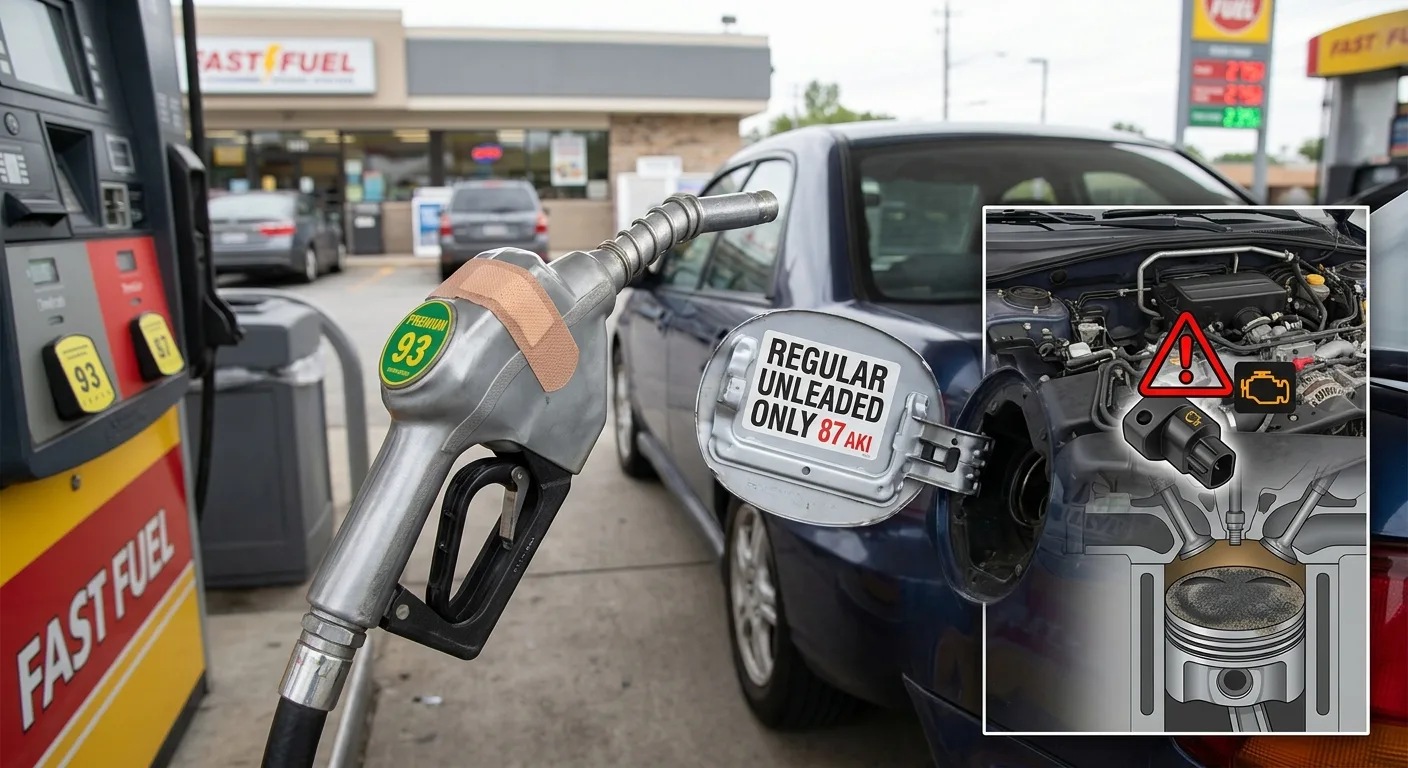
Engine knocks, so you switch to premium. Sometimes that works. Often it just hides a real problem: carbon buildup, a bad knock sensor, or overheating.
Premium fuel is not a repair. It's a bandage, and an expensive one at roughly 20 to 60 cents more per gallon depending on where you are.
Avoid it: if the manufacturer calls for regular and the engine knocks on regular, something is wrong. Don't paper over it with higher octane.
12 - Skipping compression and leak-down tests
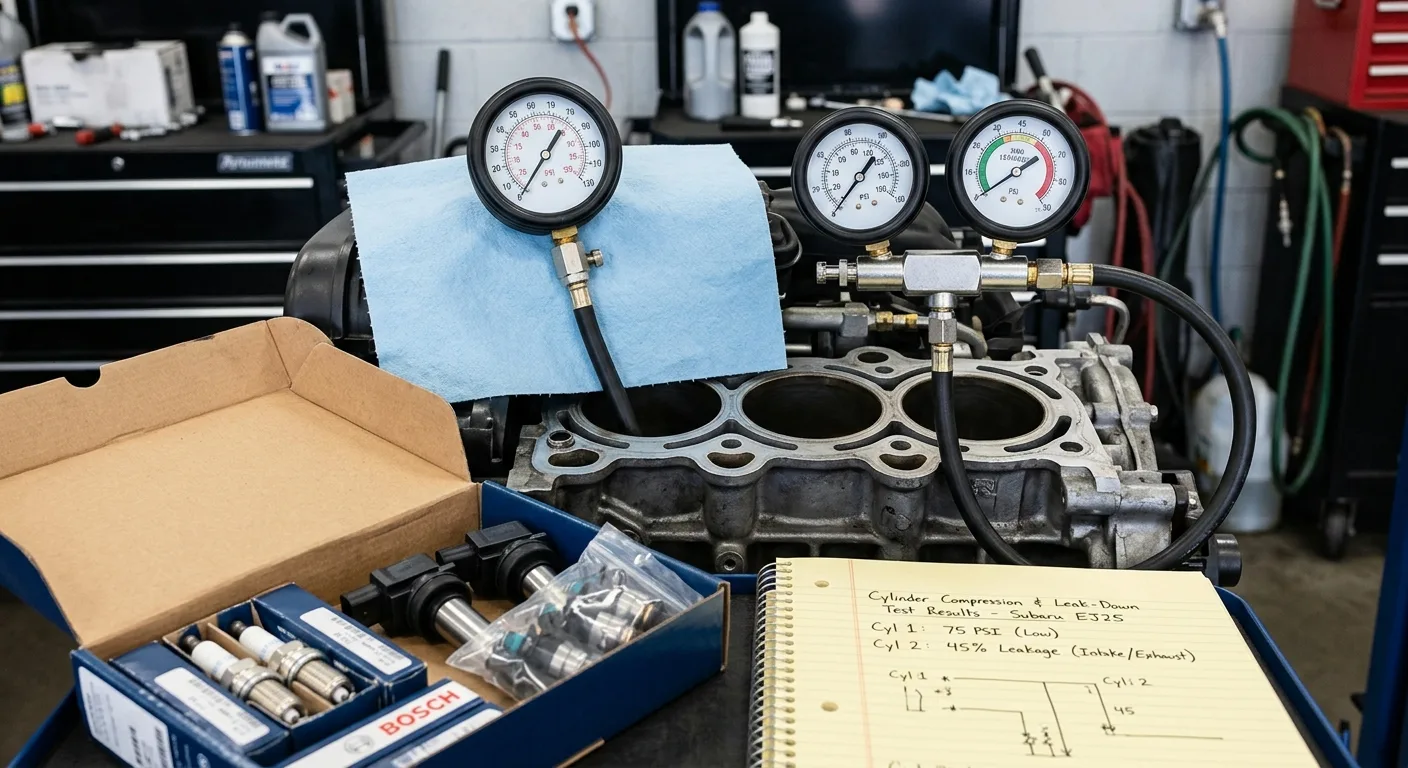
You've replaced plugs, coils, and injectors, and the misfire is still there. At this point, the answer is almost always mechanical: valves, rings, or a head gasket.
A compression test and a leak-down test tell you which. They take an hour and cost far less than another round of parts.
Avoid it: when electrical fixes stop working, stop guessing and measure. The mechanical encyclopedia has plain-language explanations of what each result means.
Do this instead
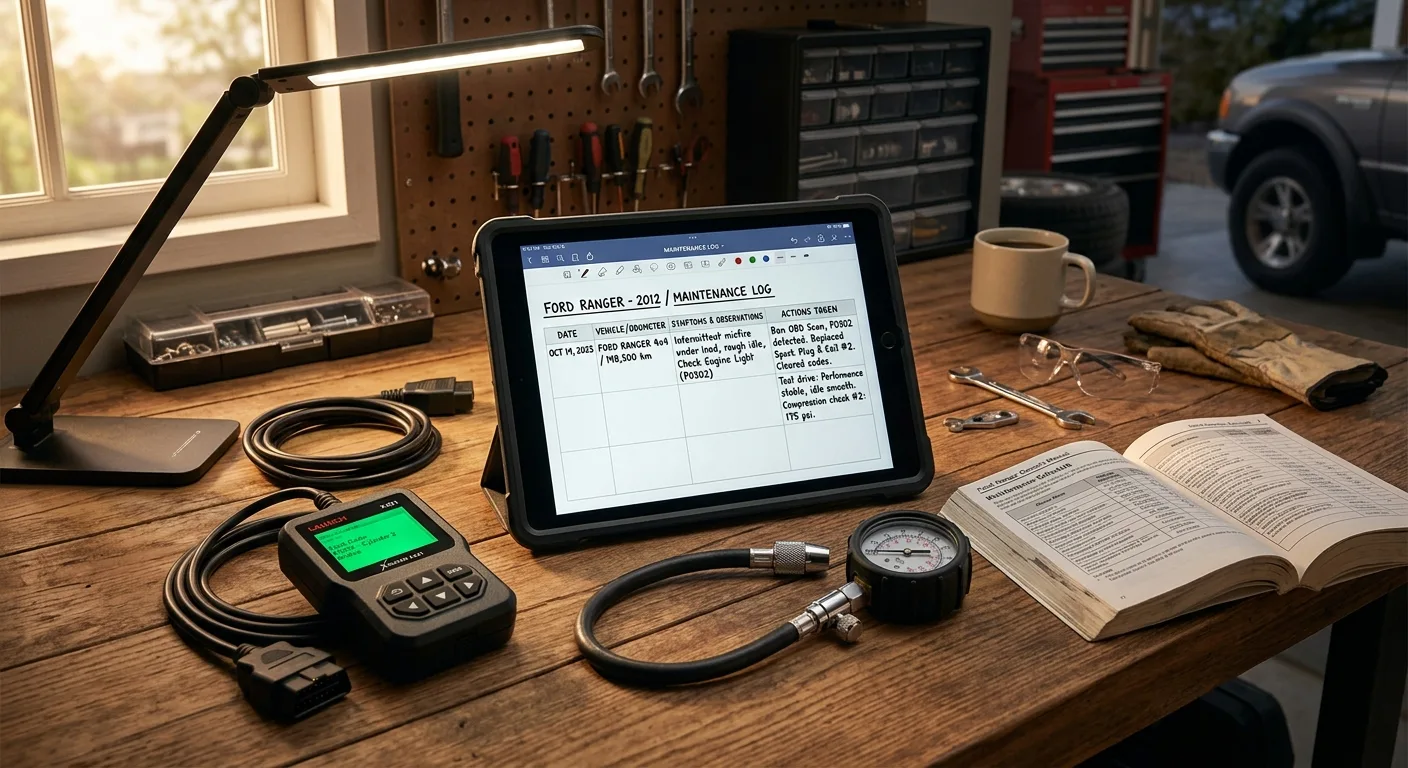
Keep a small notebook or notes app entry for your car. Date, symptom, conditions, what you did. It sounds fussy until the third time you're explaining the problem to a mechanic.
Scan codes before you buy parts. Test before you replace. If a symptom disappears under specific conditions, that's a clue, not a coincidence.
Stick to the maintenance schedule in your owner's manual, not the one the quick-lube place suggests. And when something feels wrong, trust that feeling enough to look it up rather than waiting for it to become obvious.
For everything else, the free car tools and the expert car tips on this site cover the checks that don't need a lift.
FAQ
How long can I drive with a check engine light on? Steady light: usually long enough to get it scanned, but don't stretch it for weeks. Flashing light: pull over now, or risk a catalytic converter.
Can a bad spark plug cause other problems? Yes. A fouled plug can dump unburned fuel into the exhaust, which overheats the converter and can trigger more codes. Fix misfires early.
Why does my engine only run rough in the morning? Cold-start roughness often points to ignition components, a weak battery, or a leaking injector that seals up once warm. Note the temperature and conditions.
Is premium gas ever worth it in a regular-fuel car? Only if the manual says so, or if you're dealing with a specific knock issue you're diagnosing. Otherwise you're paying more for no benefit.
When should I stop DIY and see a mechanic? When you've tested the obvious systems and the symptom persists, or when the job needs a lift, a compression gauge, or a smoke machine. That's the line.
Diagnose before you replace, and most of these twelve problems cost you a Saturday instead of a paycheck.
Related articles

Carburetor vs. Fuel Injection: Which System Is Better?
You already know the short answer: fuel injection wins on paper. It has won in showrooms for decades, and there is no serious argument left about which system meters fuel more precisely. So why does the question still come up in the bay every week?
Read the article →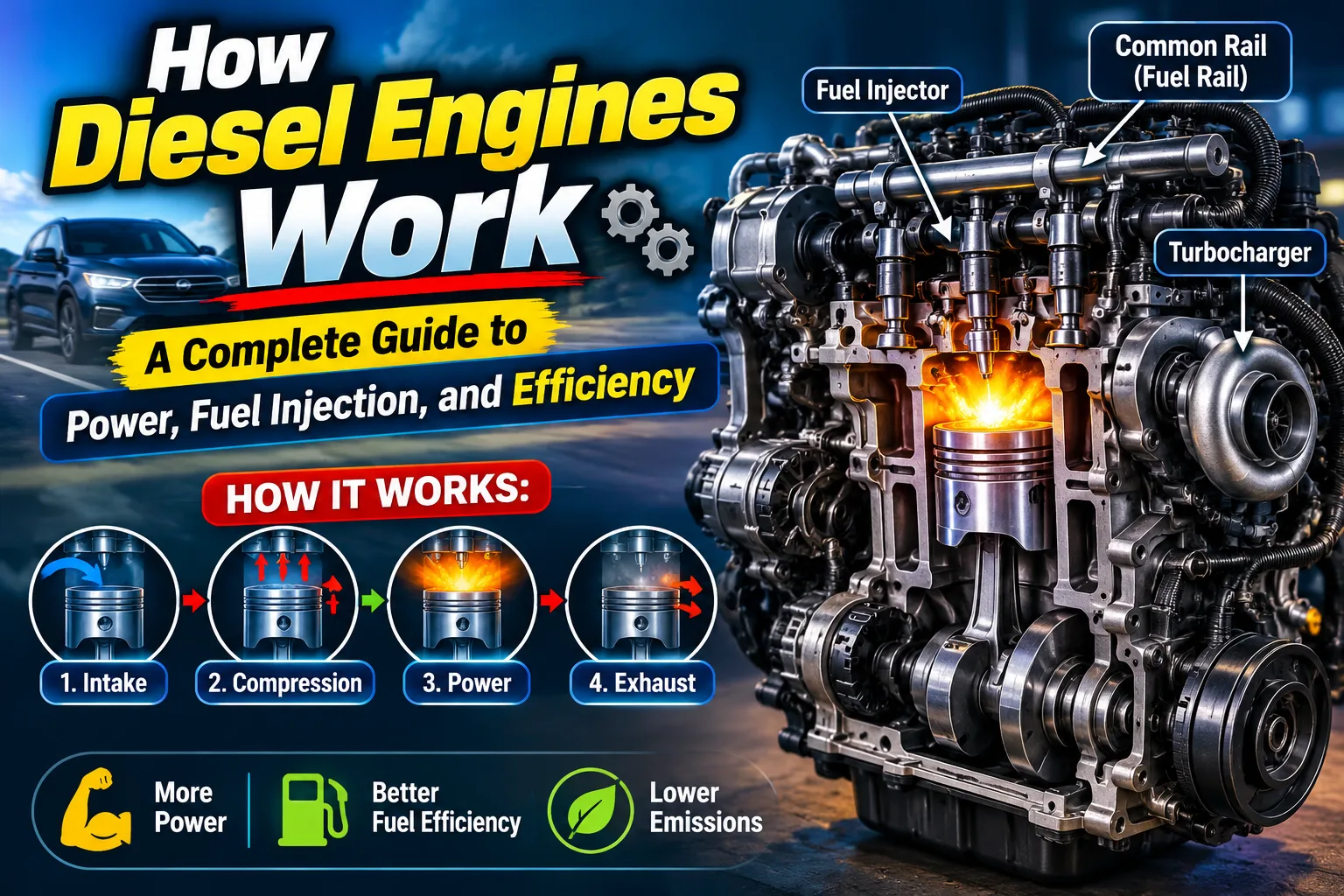
How Diesel Engines Work: A Complete Guide to Power, Fuel Injection, and Efficiency
By the end of this guide you will understand what actually happens inside a diesel engine, why it clatters at idle, why it makes so much torque, and why it sips fuel compared to a gasoline engine of similar size. You will also be able to follow a mechanic's explanation of injection timing and compr…
Read the article →
How to Parallel Park Like a Pro: Simple Tricks That Work
Parallel parking is the one driving skill most people never really learn. They pass the test, then spend the next twenty years circling the block for a spot they can just pull into. That ends today.
Read the article →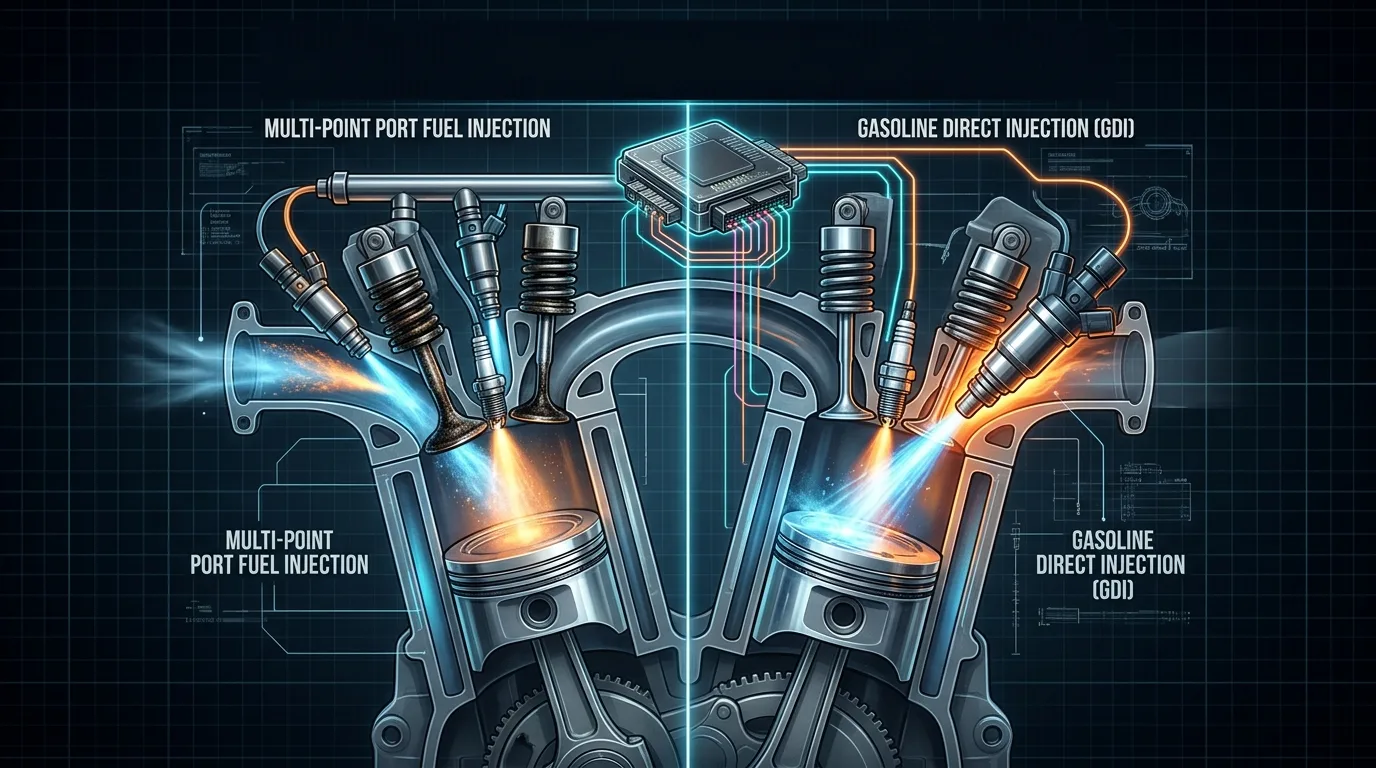
Gasoline Fuel Injection Systems Explained: The No-BS Guide to MPI, GDI, PFI, and Everything In Between
Confused by MPI, GDI, PFI, and dual injection? You’re not alone. no-BS guide breaks down every gasoline fuel injection system in plain English how they work, where they spray, and which one is best for your car. Learn real differences, common symptoms, and maintenance tips without textbook jargon.
Read the article →
How to Keep Your Car Safe When Parking Overnight
Most cars are stolen at night, and most of those thefts are crimes of opportunity, not master criminals outsmarting an alarm. A door left unlocked, a key fob hanging by the front door, a bag visible on the passenger seat: that is what gets a car taken.
Read the article →
What Thieves Look for Before Breaking Into a Car
Most car thefts are not spontaneous. A thief walks or drives past your car first, checks a short list of easy signals, and decides in seconds whether it is worth the risk. This article breaks down what that list looks like, why certain cars get picked over others, and the practical steps that actua…
Read the article →