Car battery: the complete guide
How a car battery works, how to test it, how long it lasts and the exact steps to replace one safely.
How a car battery works
The battery stores electrical energy chemically and releases it as a powerful burst to crank the engine. It also powers the car when the engine is off and smooths the alternator’s output.
- Rest voltage of a healthy battery: about 12.6 V
- Under 12.2 V it is roughly half charged
- Below 12.0 V it is being damaged by deep discharge
- CCA = cold cranking amps at -18 °C
How long does a battery last?
Four to six years is typical. Heat is the biggest killer — hot climates and engine-bay heat shorten life. Frequent short trips that never fully recharge also age batteries quickly.
Testing the battery
Measure rest voltage 30 minutes after driving, then load-test it. A battery that reads fine at rest but collapses under load is failing. Test the charging system too — a weak alternator kills batteries.
Replacing the battery safely
- Turn the car off and remove the key
- Disconnect the negative (−) terminal first, positive (+) last
- Remove the hold-down bracket and lift the battery out
- Clean the tray and terminals
- Fit the new battery, connect positive (+) first, then negative (−)
- Re-enter the radio code and let the idle relearn if needed
Questions about this article
Related articles
10 Gasoline Engine Maintenance Tips to Make Your Car Last Longer
Your engine doesn't die suddenly. It dies by a thousand small neglects, most of them cheap to fix and easy to postpone. This is the short list of habits that quietly add years to a gasoline engine, and the mistakes that quietly take them away.
Read the article →
Petrol vs Diesel: Which Engine Is Cheaper to Maintain?
You are standing in a dealer lot or scrolling through listings, and the same question keeps surfacing: petrol or diesel? The sticker price is only half the story. What you actually pay over five or seven years depends on servicing, parts, fuel, and how the car is driven. That is where the petrol vs…
Read the article →
Petrol vs Diesel Engine: Which One Is Really Better in 2026?
Buying a car in 2026 means you cannot dodge the petrol versus diesel question, especially if you are shopping used or looking at a nearly-new car that still has a combustion engine under the hood. Read this and you will know how to match the engine to your actual driving, work out what the fuel and…
Read the article →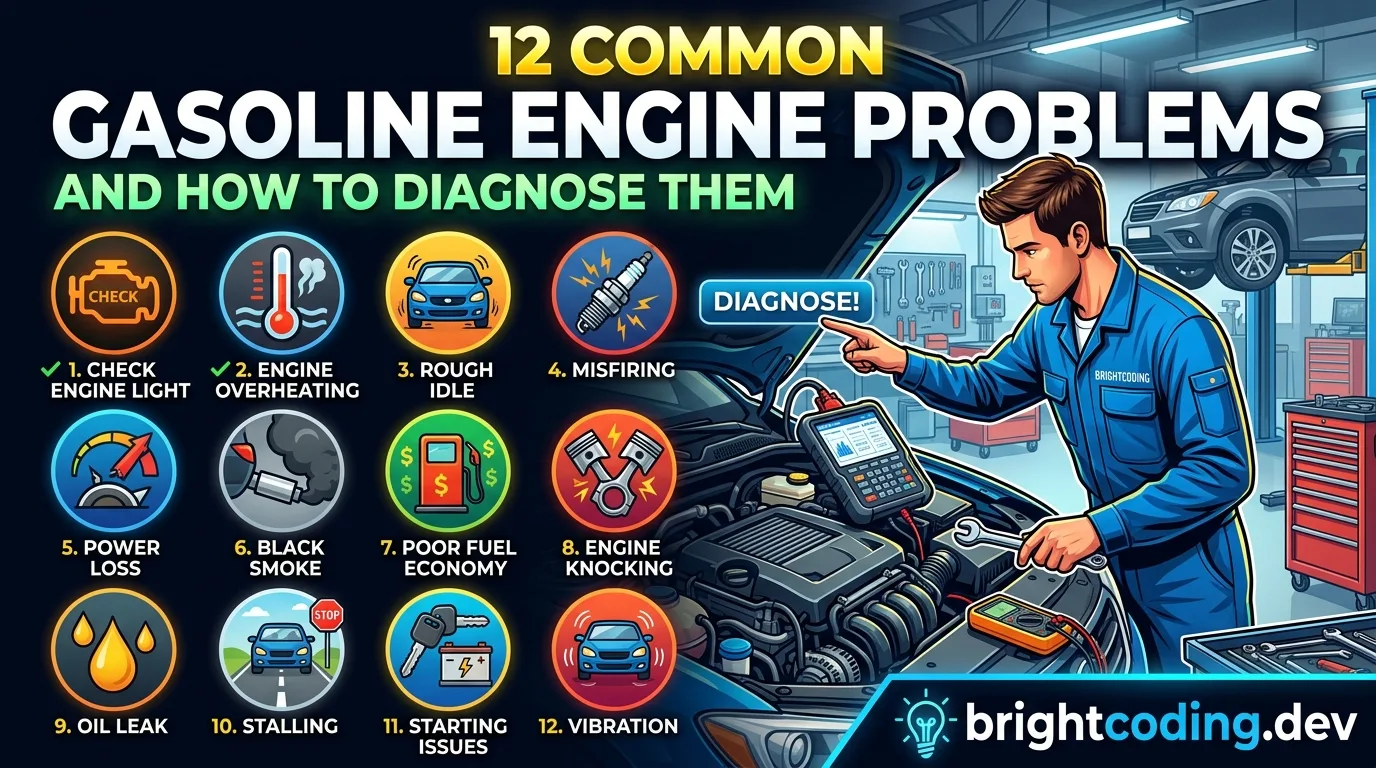
12 Common Gasoline Engine Problems and How to Diagnose Them
Your check engine light comes on. The engine starts shaking at a red light. You hear a noise that wasn't there last week. Most people do one of two things: panic and hand the car to a shop with a blank check, or ignore it until the problem gets expensive.
Read the article →
Carburetor vs. Fuel Injection: Which System Is Better?
You already know the short answer: fuel injection wins on paper. It has won in showrooms for decades, and there is no serious argument left about which system meters fuel more precisely. So why does the question still come up in the bay every week?
Read the article →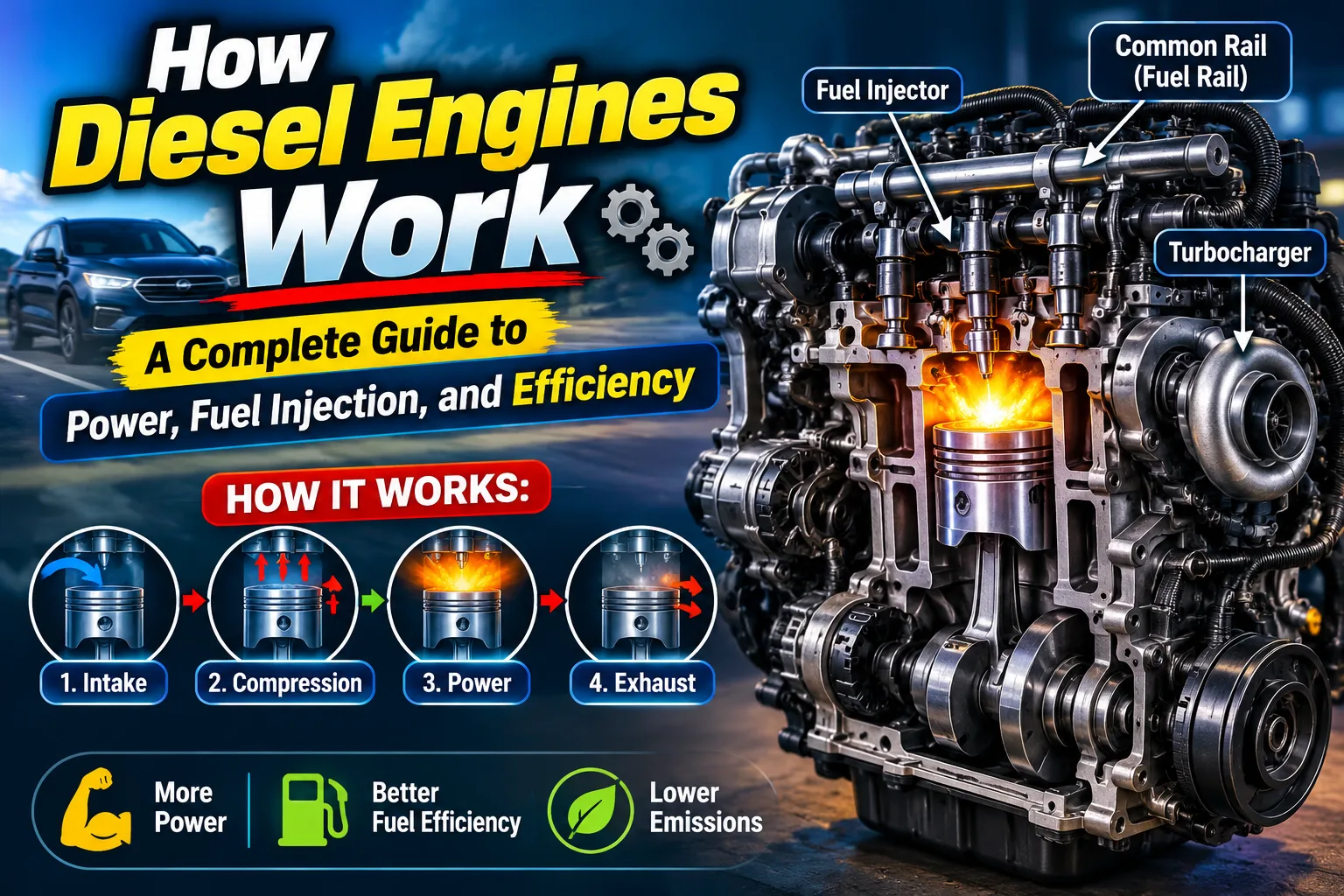
How Diesel Engines Work: A Complete Guide to Power, Fuel Injection, and Efficiency
By the end of this guide you will understand what actually happens inside a diesel engine, why it clatters at idle, why it makes so much torque, and why it sips fuel compared to a gasoline engine of similar size. You will also be able to follow a mechanic's explanation of injection timing and compr…
Read the article →