How to Keep Your Car Safe When Parking Overnight
Most cars are stolen at night, and most of those thefts are crimes of opportunity, not master criminals outsmarting an alarm. A door left unlocked, a key fob hanging by the front door, a bag visible on the passenger seat: that is what gets a car taken.
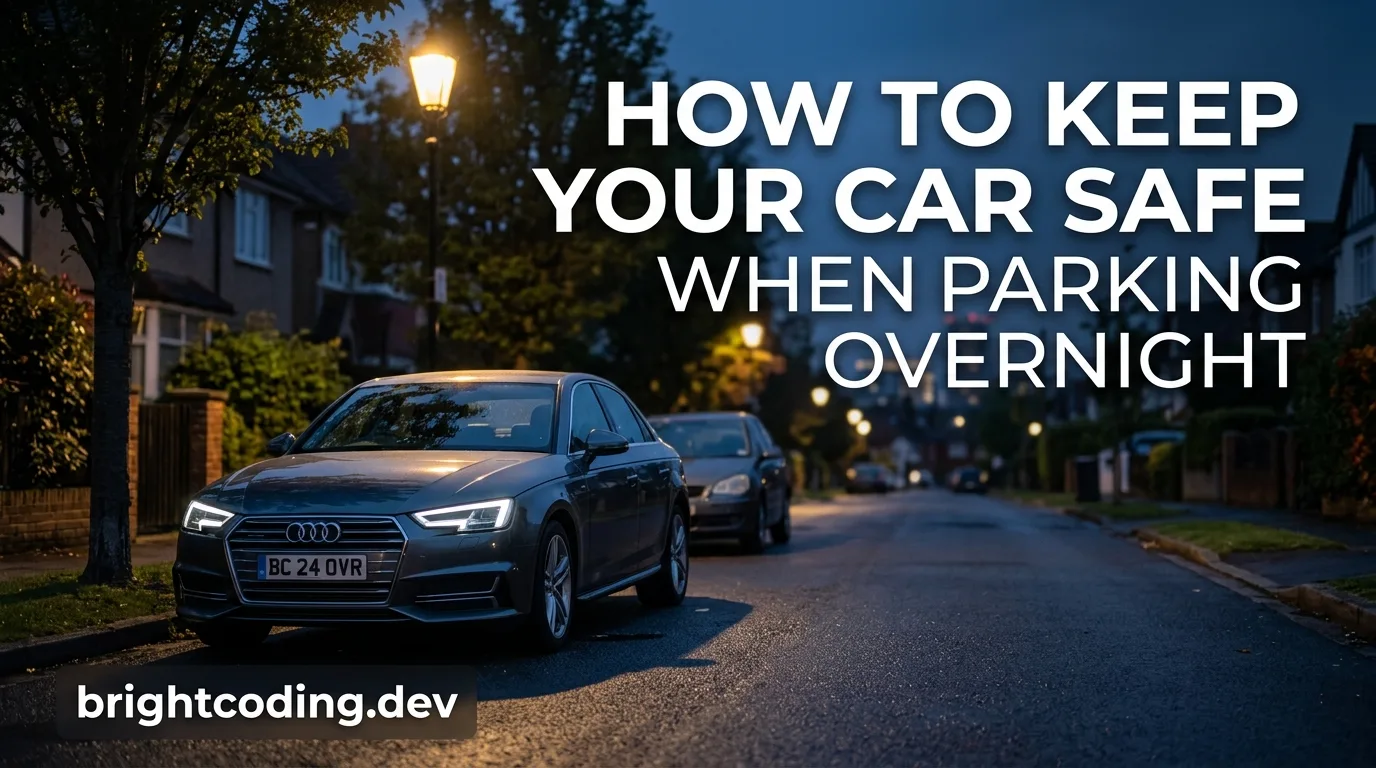
Most cars are stolen at night, and most of those thefts are crimes of opportunity, not master criminals outsmarting an alarm. A door left unlocked, a key fob hanging by the front door, a bag visible on the passenger seat: that is what gets a car taken.
By the end of this guide you will have a repeatable routine that takes about 15 minutes the first time and under a minute every night after. You will know what actually deters thieves, what just makes you feel safer, and how to deal with the situations where your only option is a dark street.
What you need before you start
You probably already own most of this. Nothing here is exotic.
- Your owner's manual (for alarm settings, valet mode, and whether your car has an immobilizer)
- A steering wheel lock or gearshift lock, if you want a visible deterrent
- A faraday pouch or small metal tin for your key fob, if your car is keyless
- A basic dash camera or a "security" window sticker (skip the sticker if it is a lie, more on that below)
- A small flashlight or your phone light
- Optional: a motion-sensing solar light for a driveway, and a cheap OBD-II scanner if you want to check for fault codes before a long trip
Step 1: Pick your spot like it matters
Where you park does more for car security than any gadget. A lit, overlooked, high-traffic spot beats a dark quiet one almost every time.
Aim for the following, in rough order of importance:
- Under a streetlight or near a security camera
- Within sight of windows, a doorway, or a footpath
- Somewhere a stranger would look out of place loitering
- Not directly behind a hedge, wall, or dumpster that gives cover
If you have a driveway, back in if you can. You get a better view pulling out in the morning, and a car facing the house is harder to quietly roll away.
Practical tip: In a parking garage, park near the ramp or elevator, not in the far corner. Corners are where thieves work because nobody walks past.
Step 2: Lock up properly, then check it
Lock the car, then physically try the driver's door handle. This sounds paranoid until the one night a door did not latch because a seatbelt was caught in it, or your fob battery was dying and the signal never registered.
Walk the car once. Doors, trunk, tailgate, sunroof, and any window you cracked for air. Close the windows. A two-inch gap is all someone needs for a coat hanger and patience.
Safety note: Never leave the engine running to warm up or cool down while you go back inside. Idling unattended cars are the easiest targets there are, and in some places it is illegal. It also wastes fuel and wears the engine.
Step 3: Deal with keys and keyless entry
If your car has push-button start, your key fob is a radio transmitter, and thieves know it. Relay attacks use two devices to grab the fob signal from inside your house and fool the car into thinking the key is nearby.
The fix is simple: put the fob in a signal-blocking pouch or a metal tin, and keep it away from the front door and any wall shared with the driveway. Test the pouch by holding it next to the car and trying to open a door. If the car responds, the pouch is not blocking.
For older cars with a physical key, do not leave a spare in the glovebox, under the mat, or in a magnetic box under the wheel arch. Every thief checks those three spots in that order.
Practical tip: If your car has a valet mode or a "keyless access off" setting, your owner's manual will tell you how to enable it. Worth knowing if you park somewhere sketchy regularly.
Step 4: Empty the car, or hide everything
A visible phone mount, a charging cable, a jacket, a bag, or loose change in the cupholder is an invitation. Thieves do not know your jacket is worthless. They break the window to find out.
Take valuables with you. If you cannot, lock them in the trunk before you arrive at your destination, not after you park. Someone may be watching you stash a laptop.
Practical tip: Leave the glovebox open and empty-looking. It signals there is nothing inside worth the trouble.
Step 5: Add visible deterrents that actually work
A steering wheel lock is ugly and inconvenient, and that is the point. It tells a thief the job will take time and noise, so they move to the next car.
What works, roughly in order:
- A steering wheel or pedal lock, highly visible
- A flashing LED "armed" light, if your car does not already have one
- A tilt or motion sensor on the alarm, so a tow or a jack triggers it
- Locking wheel nuts, if your wheels are a target in your area
What mostly does not work: a "protected by" sticker on a car with no alarm. Thieves spot the bluff. If you want the sticker, get the alarm too.
Cost note: A decent steering lock runs roughly the price of a tank of fuel. Check current prices locally, they vary a lot.
Step 6: Park to make towing and rolling hard
Thieves do not always drive your car away. Sometimes they tow it, or push it, or drag it onto a trailer.
- Leave the wheels turned toward the curb so a straight tow is awkward
- Park close to a wall or curb on the driver's side if you can
- Use the parking brake, and leave a manual in gear
- If you park on a slope, curb the wheels and set the brake properly
Safety note: Never rely on the parking brake alone to hold a car on a steep hill. Use first or reverse gear on a manual, and Park on an automatic. If the brake feels weak or the pedal sinks, get it checked before you trust it overnight.
Step 7: Use your car's own tech
Modern cars have more security built in than most owners realize. Your owner's manual and the settings menu will show you what you have.
Look for:
- Auto-lock when you walk away, or lock confirmation chirps and flashes
- Interior motion sensors, useful if you must leave a pet or item inside briefly
- A factory alarm sensitivity setting, so a passing truck does not trigger it
- Remote app lock and location, if your car is connected
If the alarm keeps going off for no reason, that is a fault, not a feature. A weak battery or a failing sensor is a common cause, and a scan can point you at it. The free OBD code lookup at /obd is a quick way to decode any warning codes your car throws, and the OBD live-data tool at /tools/obd-live-data helps you watch battery voltage if you suspect a drain.
Step 8: Make your parking spot a bad target
If you park the same place every night, improve the spot itself.
- Add a motion-sensing light over the driveway or the side of the house
- Trim hedges so the car is visible from the street and the windows
- Keep the area clear of bins and clutter that give cover
- If you have a camera, angle it at the car and put a small sign up
Practical tip: Light is cheap and effective. Most thieves would rather work in the dark.
Step 9: Know what to do if it happens
If your car is broken into or stolen, the first hour matters.
- Call the police and get a report number
- Tell your insurer the same day
- If your car has a tracking app, use it and pass the location to police
- Freeze any cards or documents you left inside
- Change the codes on any garage door opener that was in the car
Do not chase a thief. A car is replaceable.
Pro tips
- Back into your spot. It is faster to leave in an emergency and harder to tow.
- Photograph your car's condition and mileage every few weeks. It helps with insurance and resale.
- If your battery keeps dying overnight, something is draining it. A live-data scan will often show it before you get stranded.
- Keep a spare key fob battery in the glovebox. A dead fob is a security problem, not just an inconvenience.
- Park next to nicer cars, not next to vans or dark corners. Thieves pick the easiest target.
- If you must leave the car for weeks, tell a neighbor to check it, or move it. A car that never moves gets noticed.
Common pitfalls
- Leaving the fob by the front door. This is the single most common way keyless cars get taken. Move it to a pouch or a tin, away from the driveway wall.
- Trusting the lock without checking. A door that did not latch looks locked. Try the handle every time.
- Leaving valuables "hidden" under a coat. Thieves search. Take it with you or lock it in the trunk before you park.
- Skipping maintenance because the car is parked a lot. Brakes seize, batteries drain, and tires flat-spot when a car sits. Drive it and check it, even if it is just a loop around the block.
- Ignoring warning lights. That check engine light might be a misfire or a sensor, or it might be the start of something that strands you. Look it up before it grows.
Useful resources
- Your owner's manual: the authority on your alarm, locks, and keyless settings
- The free car tools at /tools for quick checks and calculators
- The step-by-step car guides at /guides for maintenance you can do yourself
- The symptom finder at /symptom if something feels off but no light is on
- The mechanical encyclopedia at /encyclopedia for plain-English explanations of how parts work
If a problem has you stuck, the AI mechanic assistant at /tools/ai-assistant can help you reason through it, and the AutoTools blog at /blog has more on car security and maintenance. New to DIY? The mechanic quiz at /quiz is a fun way to find your level.
FAQ
Is a steering wheel lock worth it? Yes, if you want a visible deterrent. It will not stop a determined thief with a tow truck, but it makes your car a worse target than the one next to it. That is the goal.
Can thieves really steal a keyless car from inside my house? Yes. Relay attacks are a known method. A signal-blocking pouch or tin, kept away from the front door and the driveway wall, is the standard defense.
Should I leave my car unlocked so thieves do not break a window? No. An unlocked car is easier to take and easier to search. Lock it, and leave nothing inside worth stealing.
How often should I start a car that sits for weeks? Run it long enough to reach normal temperature and move it a short distance, ideally every week or two. Check your owner's manual for specifics, and keep an eye on battery voltage with a scan tool if it struggles to start.
What if my alarm keeps going off at night? That points to a weak battery, a faulty sensor, or a wiring issue. A scan can help narrow it down. Do not just disable the alarm, that removes your main deterrent.
Final word
Car security is not one clever device. It is a short routine you do without thinking: pick a good spot, lock and check, hide your stuff, and keep your key fob out of reach. Do that and you have already beaten most of the risk. Start with one habit tonight, the handle check, and build from there.
Ready to act on what you just read? Decode that warning light with the free OBD code lookup, run the matching car tools to check the numbers yourself, or browse more practical car articles for ideas.
Related articles

Carburetor vs. Fuel Injection: Which System Is Better?
You already know the short answer: fuel injection wins on paper. It has won in showrooms for decades, and there is no serious argument left about which system meters fuel more precisely. So why does the question still come up in the bay every week?
Read the article →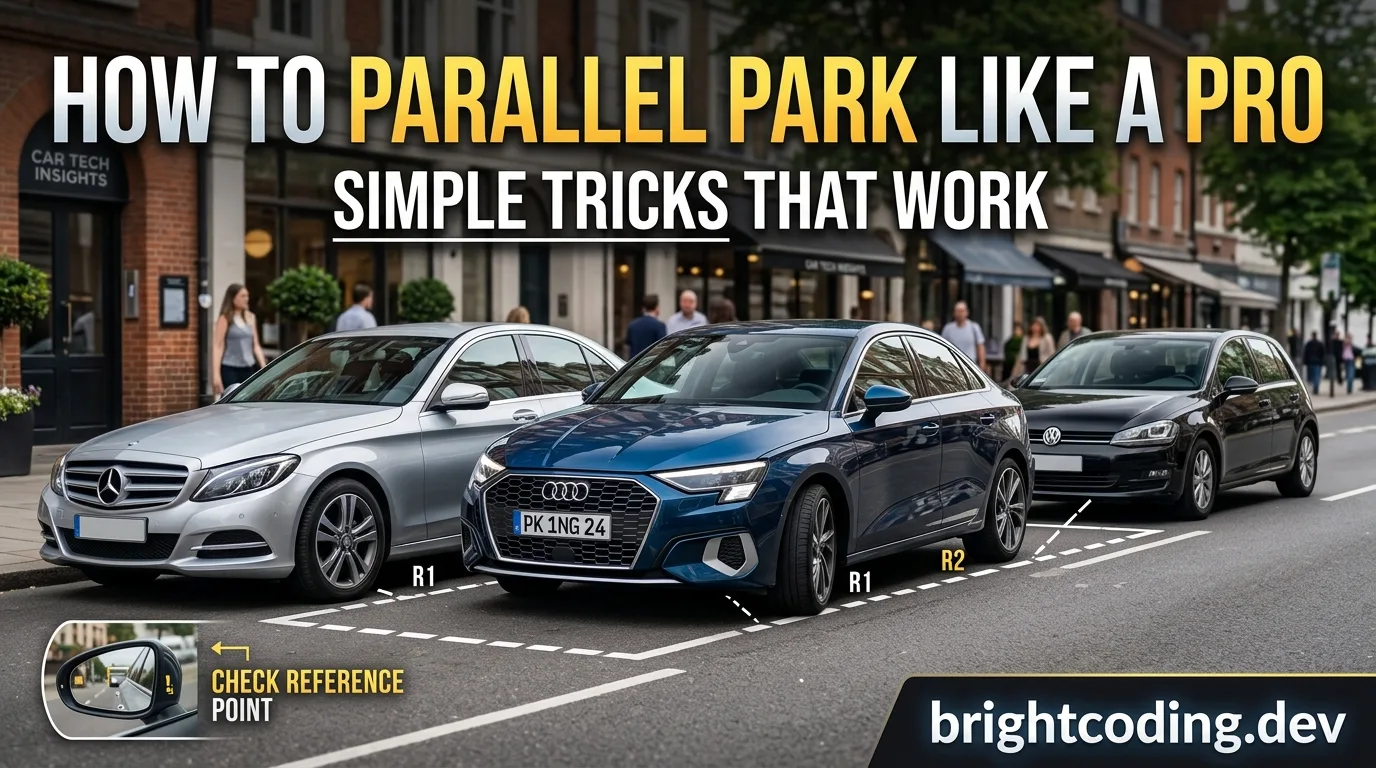
How to Parallel Park Like a Pro: Simple Tricks That Work
Parallel parking is the one driving skill most people never really learn. They pass the test, then spend the next twenty years circling the block for a spot they can just pull into. That ends today.
Read the article →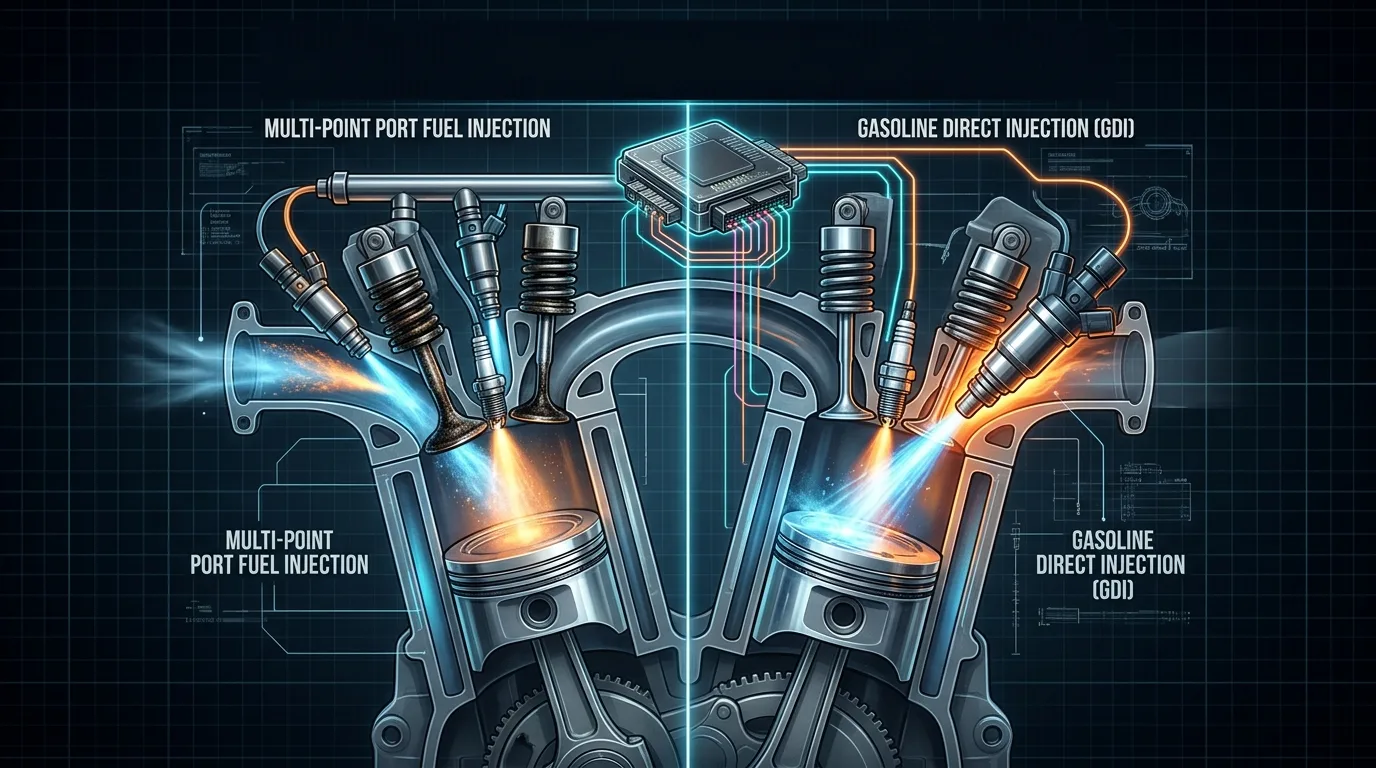
Gasoline Fuel Injection Systems Explained: The No-BS Guide to MPI, GDI, PFI, and Everything In Between
Confused by MPI, GDI, PFI, and dual injection? You’re not alone. no-BS guide breaks down every gasoline fuel injection system in plain English how they work, where they spray, and which one is best for your car. Learn real differences, common symptoms, and maintenance tips without textbook jargon.
Read the article →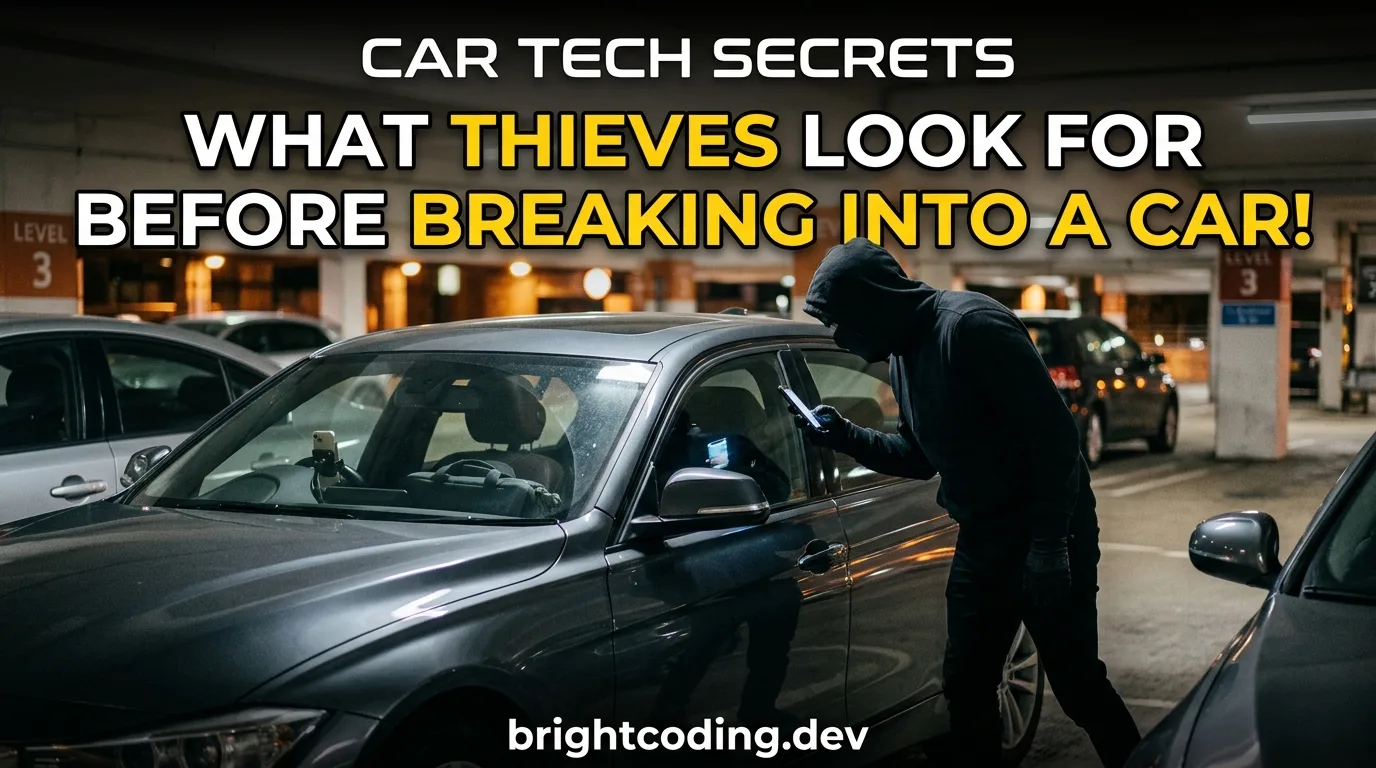
What Thieves Look for Before Breaking Into a Car
Most car thefts are not spontaneous. A thief walks or drives past your car first, checks a short list of easy signals, and decides in seconds whether it is worth the risk. This article breaks down what that list looks like, why certain cars get picked over others, and the practical steps that actua…
Read the article →
25 Amazing Car Features Hidden in Plain Sight That Will Surprise You
Most cars carry a stack of clever features the owner never touches. The manual is 400 pages, nobody reads it, and the salesperson only had twenty minutes. This guide walks you through 25 of those features, one at a time, with what to do, why it matters and a tip that saves you the trial and error.
Read the article →
Gasoline Engine Systems: From Carburetor to Fuel Injection
Your car either has a carburetor or fuel injection, and the difference explains a lot about how it starts, idles, and drinks gas. Maybe you just bought an old truck with a carb under the hood and you are not sure what you are looking at. Or your modern car is running rough and someone told you it i…
Read the article →