Brakes explained: pads, discs, fluid and safety
How the braking system works, what each part does, the warning signs and the right replacement schedule.
How the system works
You press the pedal, the master cylinder pressurizes brake fluid, and that pressure moves the calipers to clamp the pads against the discs. The friction turns motion into heat.
Pads and discs
- New pads have 10–12 mm of material; replace at 3 mm
- Discs have a minimum thickness stamped on the hub — measure, do not guess
- Replace discs in pairs, pads with them
- Wear indicator squeals when pads are near the limit
Warning signs
- Squeal: pads near the limit
- Grind: pads gone — discs at risk
- Spongy pedal: air or low fluid
- Pedal sinks: a leak
- Judder: disc run-out
- Pulling to one side: stuck caliper or uneven wear
Brake fluid
Brake fluid absorbs moisture over time, which lowers the boiling point and corrodes the system. Flush it every two years. Never mix DOT 3/4 with DOT 5 silicone.
Questions about this article
Related articles
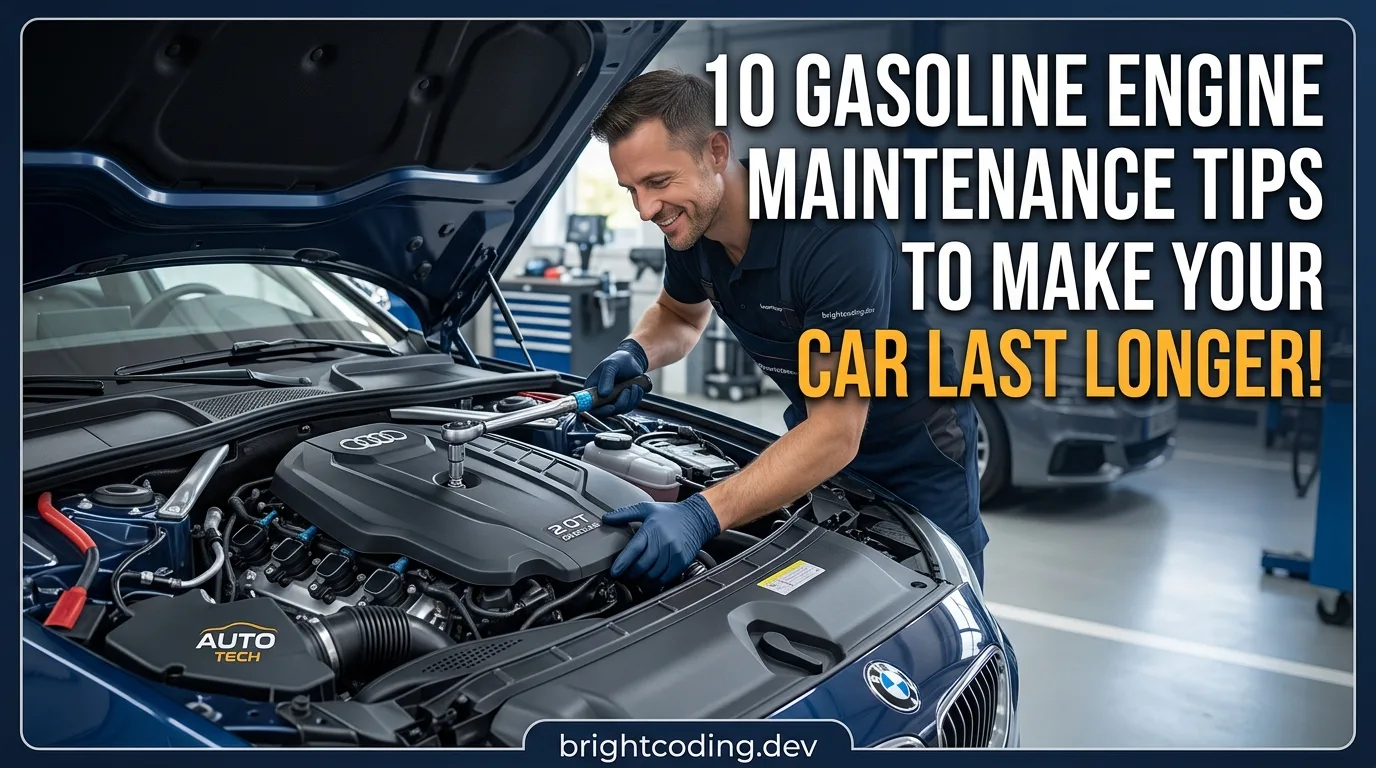
10 Gasoline Engine Maintenance Tips to Make Your Car Last Longer
Your engine doesn't die suddenly. It dies by a thousand small neglects, most of them cheap to fix and easy to postpone. This is the short list of habits that quietly add years to a gasoline engine, and the mistakes that quietly take them away.
Read the article →
Petrol vs Diesel: Which Engine Is Cheaper to Maintain?
You are standing in a dealer lot or scrolling through listings, and the same question keeps surfacing: petrol or diesel? The sticker price is only half the story. What you actually pay over five or seven years depends on servicing, parts, fuel, and how the car is driven. That is where the petrol vs…
Read the article →
Petrol vs Diesel Engine: Which One Is Really Better in 2026?
Buying a car in 2026 means you cannot dodge the petrol versus diesel question, especially if you are shopping used or looking at a nearly-new car that still has a combustion engine under the hood. Read this and you will know how to match the engine to your actual driving, work out what the fuel and…
Read the article →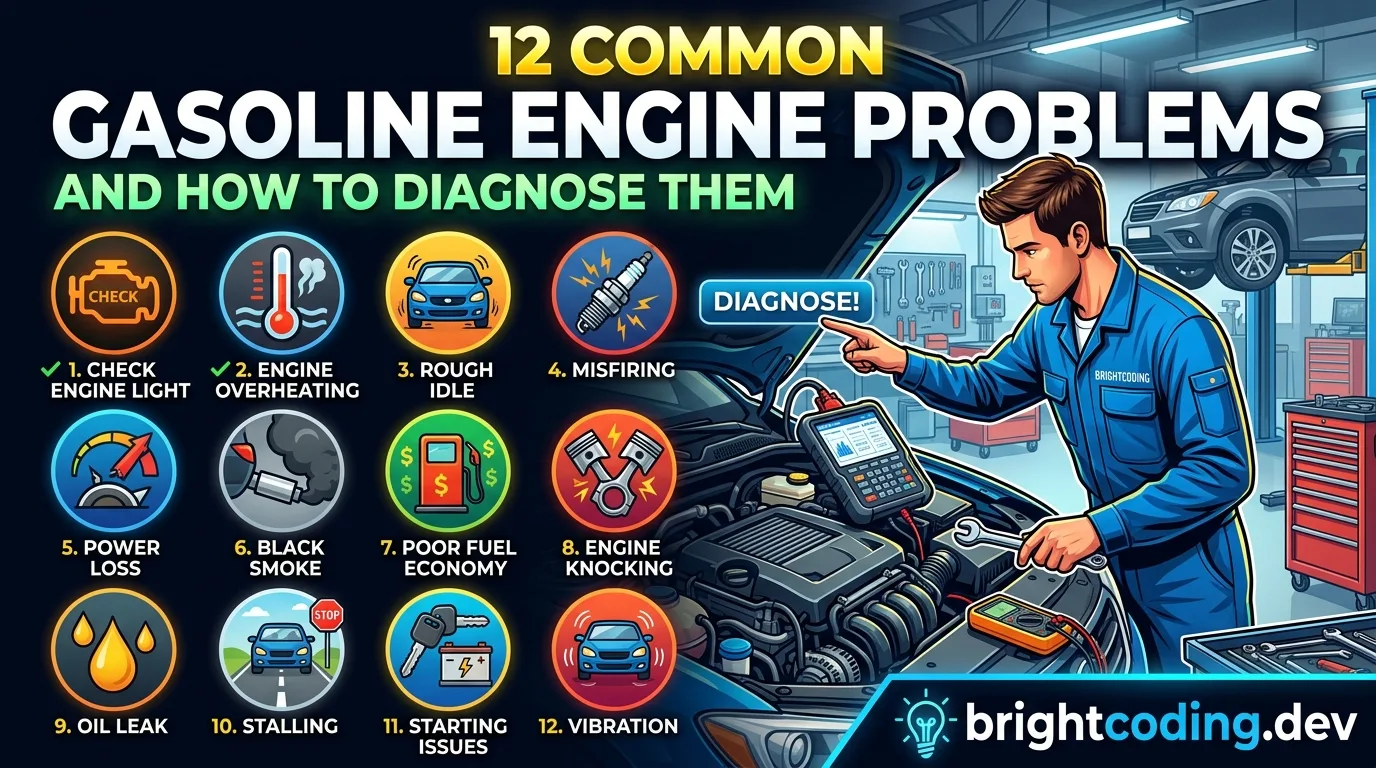
12 Common Gasoline Engine Problems and How to Diagnose Them
Your check engine light comes on. The engine starts shaking at a red light. You hear a noise that wasn't there last week. Most people do one of two things: panic and hand the car to a shop with a blank check, or ignore it until the problem gets expensive.
Read the article →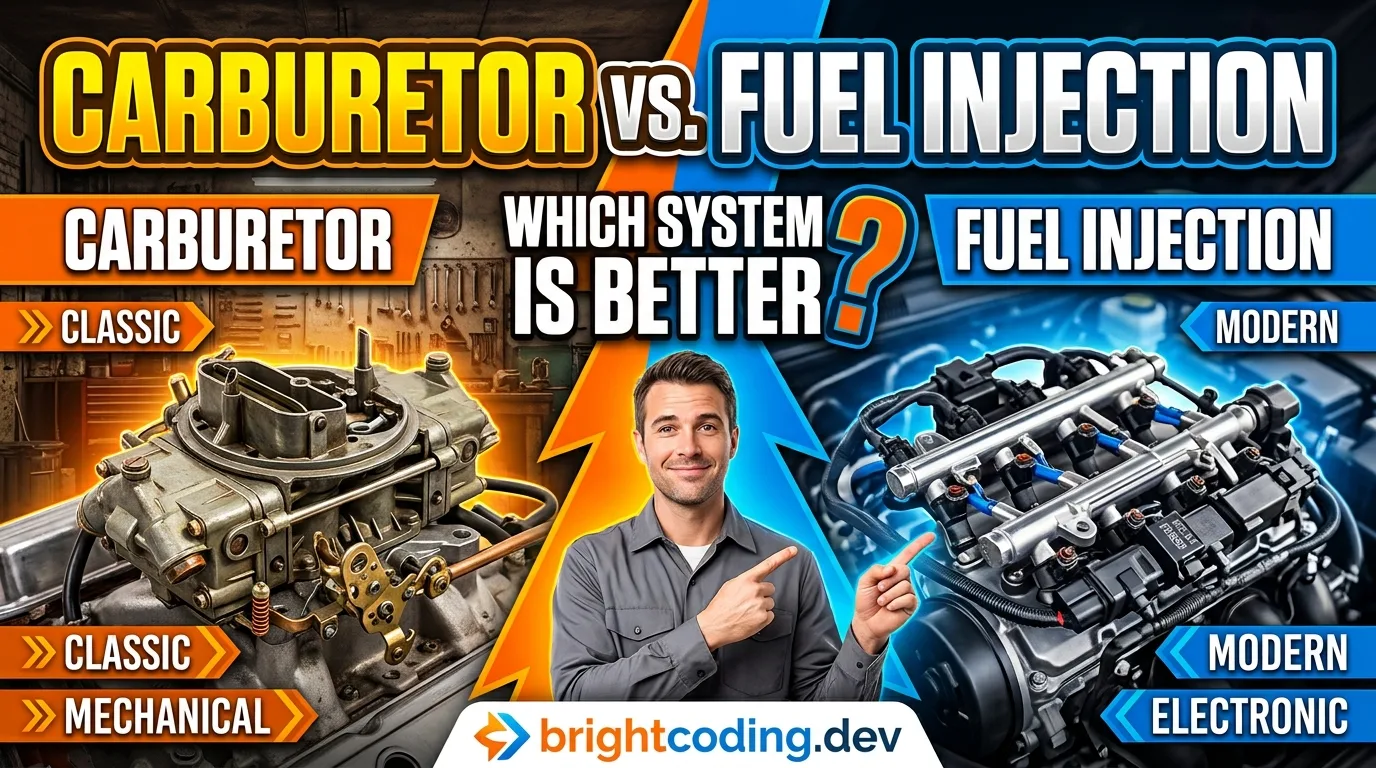
Carburetor vs. Fuel Injection: Which System Is Better?
You already know the short answer: fuel injection wins on paper. It has won in showrooms for decades, and there is no serious argument left about which system meters fuel more precisely. So why does the question still come up in the bay every week?
Read the article →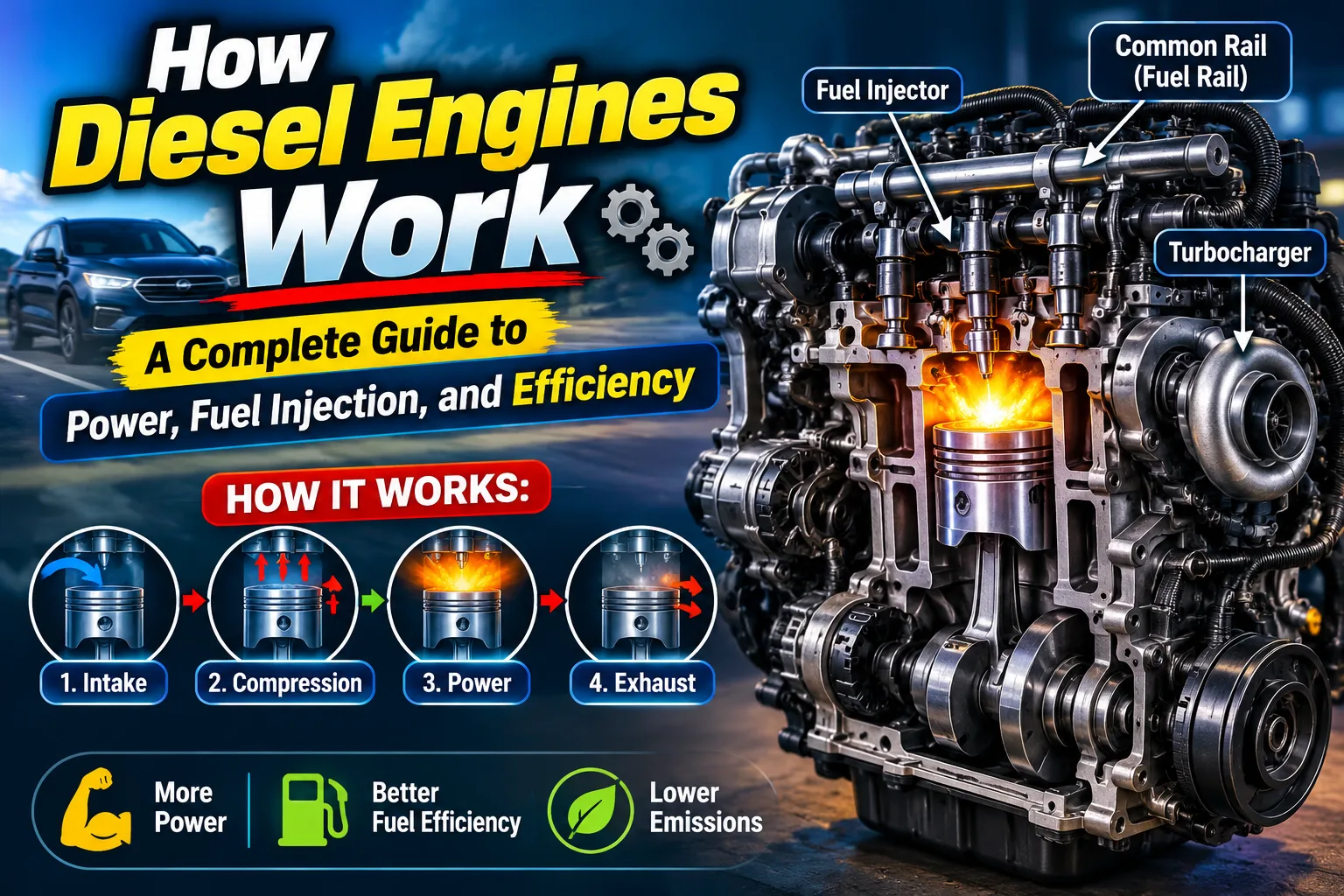
How Diesel Engines Work: A Complete Guide to Power, Fuel Injection, and Efficiency
By the end of this guide you will understand what actually happens inside a diesel engine, why it clatters at idle, why it makes so much torque, and why it sips fuel compared to a gasoline engine of similar size. You will also be able to follow a mechanic's explanation of injection timing and compr…
Read the article →