You are offline — AutoTools still works from your device.
Diagnostics

Understanding OBD-II: codes, ports and live data

What OBD-II is, how to read codes, where the port is and how live data turns a guess into a diagnosis.

Advertisement

What OBD-II is

On-Board Diagnostics II is the standardized system fitted to cars since 1996. The engine computer monitors hundreds of sensors and stores a diagnostic trouble code when something is outside the expected range.

How to read a code

Codes are five characters. The first letter identifies the system: P powertrain, C chassis, B body, U network. The remaining digits narrow it down — P03xx are misfires, P0171 is "too lean", P0420 is catalyst efficiency.

Where the port is

Usually under the dashboard, driver’s side — near the steering column, fuse box or hood release. It is a grey or black trapezoid with 16 pins. Any OBD-II reader, or the free AutoTools live scanner with a BLE adapter, plugs in.

Codes vs live data

A code is a symptom, not a verdict. Live data — fuel trims, RPM, coolant temperature, oxygen sensor switching — tells you what is really happening. A code plus live data is how professionals diagnose without guessing.
Questions about this article

No. A basic reader reads codes for under $20, and the free AutoTools OBD lookup explains them. A live-data tool helps for intermittent faults.
Sometimes, but codes share causes. Confirm with measurements before buying parts — that is what separates a diagnosis from a guess.
Keep reading

Related articles

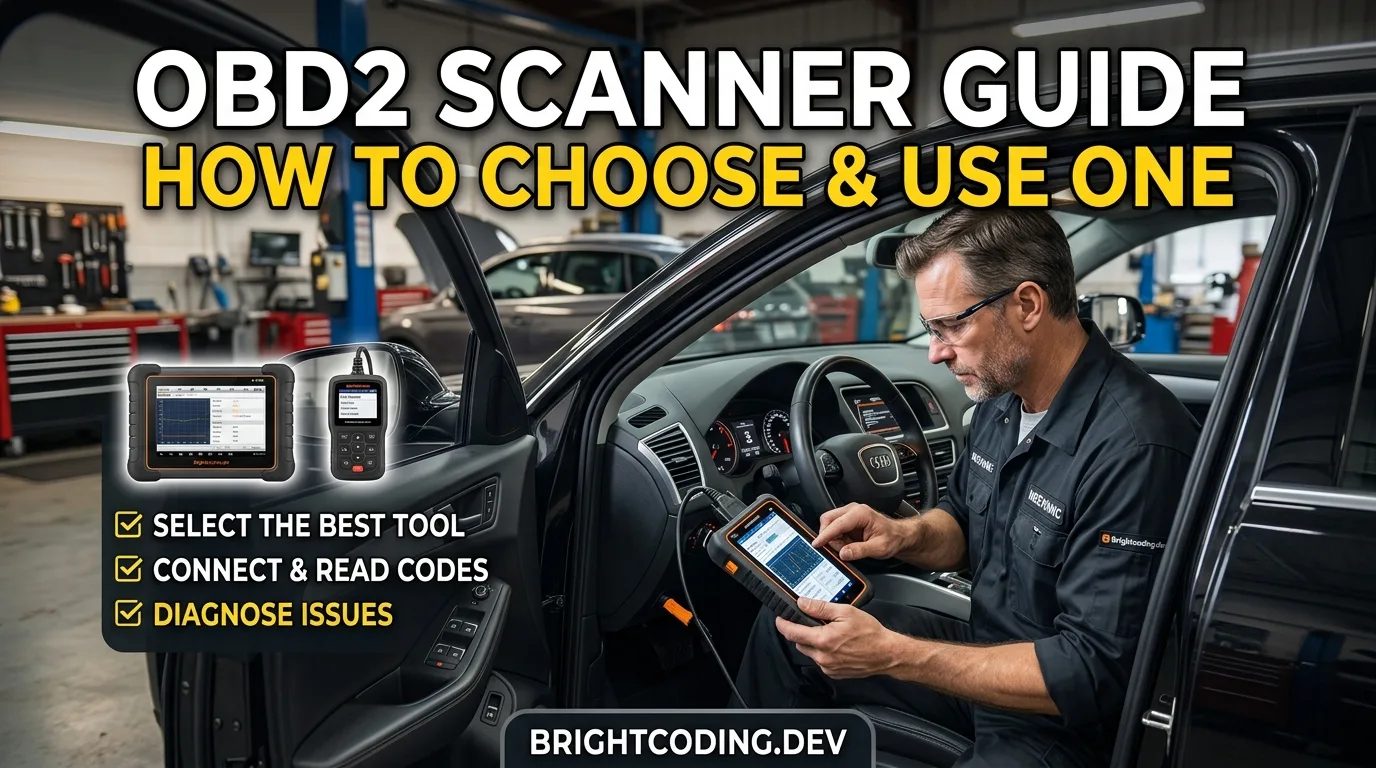
OBD2 Scanner Guide: How to Choose and Use One

A check engine light comes on and your stomach drops a little. It shouldn't. With a cheap OBD2 scanner and about twenty minutes, you can read the code, understand what it means, and decide whether to fix it yourself or hand it to a shop with a clear description of the problem. This guide walks you…

Read the article →

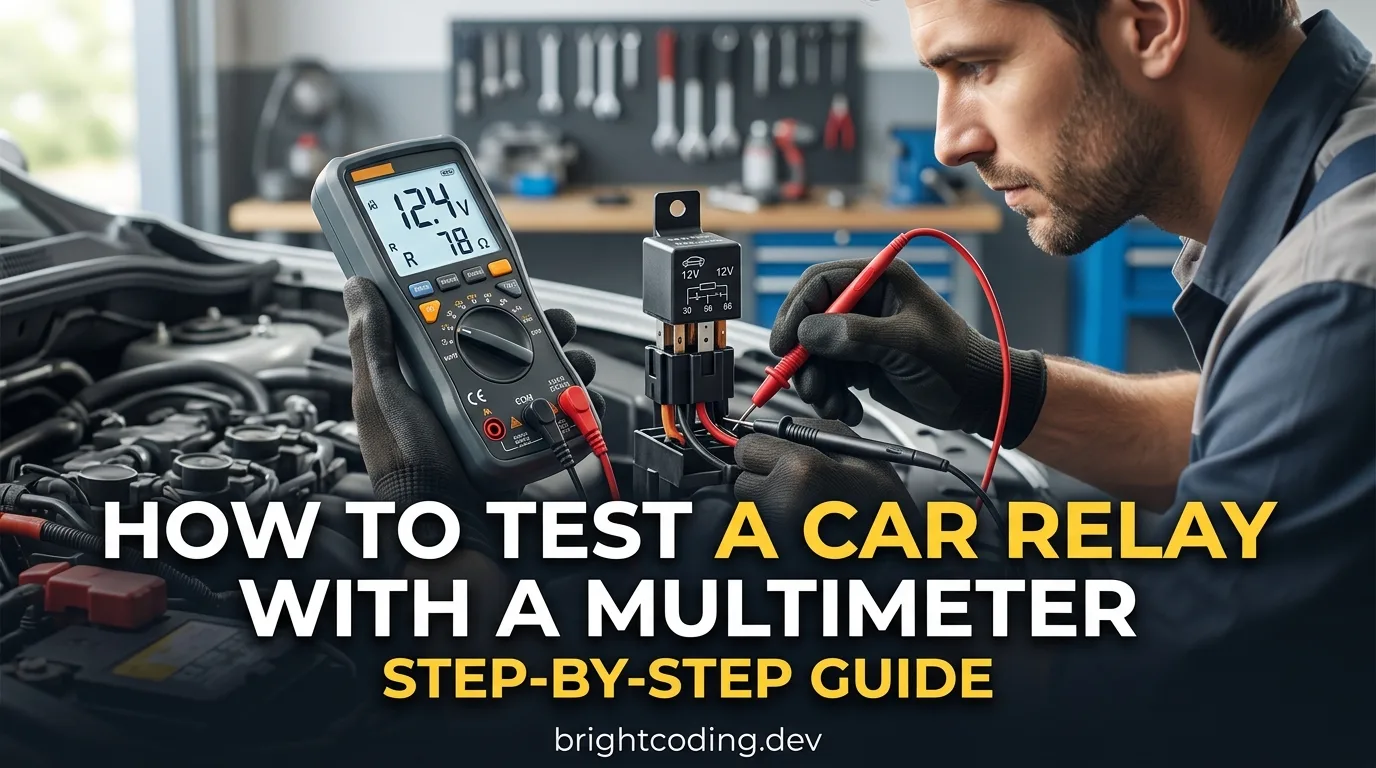
How to Test a Car Relay With a Multimeter: Step-by-Step Guide

A relay is one of the cheapest parts in your car and one of the most common reasons a fan, fuel pump, horn or headlight stops working. By the end of this guide you will be able to pull a suspect relay, test it on the bench with a multimeter, and know for certain whether it is dead or fine. Plan on…

Read the article →

Best Multimeters for Automotive Diagnostics in 2026

Discover the best multimeters for automotive diagnostics in 2026. From budget picks to professional-grade tools, learn which features matter and how to choose the right meter for your garage.

Read the article →

Top 10 Must-Have Car Diagnostic Tools in 2026

Discover the 10 best car diagnostic tools for 2026 — from Bluetooth OBD2 scanners to professional bi-directional tablets. Learn which tool matches your budget and skill level, and stop guessing when your check engine light appears.

Read the article →

The check engine light: the complete guide

What the check engine light means, what to do first, how to read codes and what each common code says — the complete walkthrough.

Read the article →

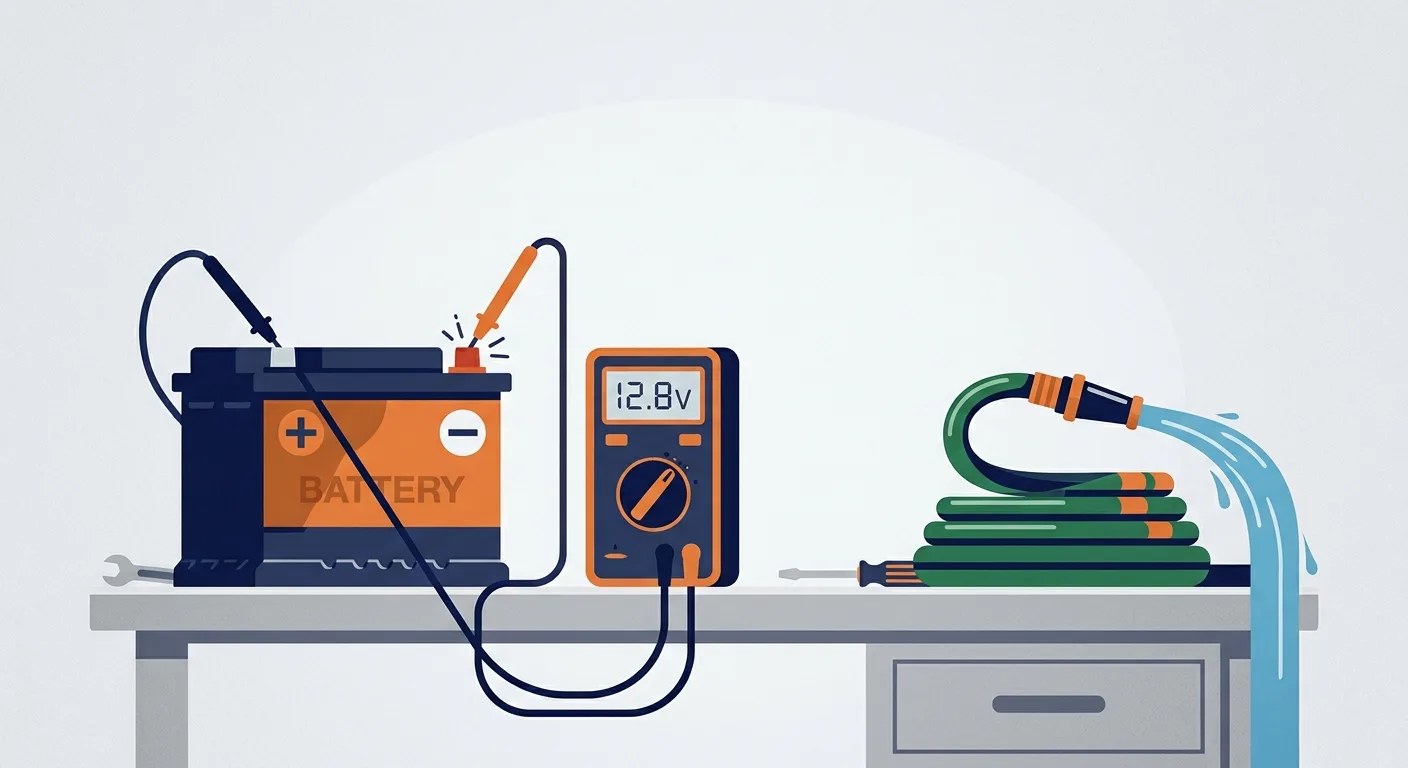
Voltage vs Current: What's the Difference? Finally Explained

Picture a garden hose. Pressure pushes the water, flow rate tells you how much comes out per second. Voltage is the pressure, current is the flow. That gets you through the first five minutes, then it quietly lies to you: a blocked hose with the tap wide open has full pressure and zero flow, and if…

Read the article →
Advertisement
Install AutoToolsWorks offline, one tap away.
Ad
Ask the AI mechanic
Hi! Ask me anything about your car — codes, noises, parts, maintenance.
All tools