ضوء فحص المحرك: الدليل الكامل
ماذا يعني ضوء فحص المحرك، وماذا تفعل أولاً، وكيف تقرأ الرموز.
What the light actually means
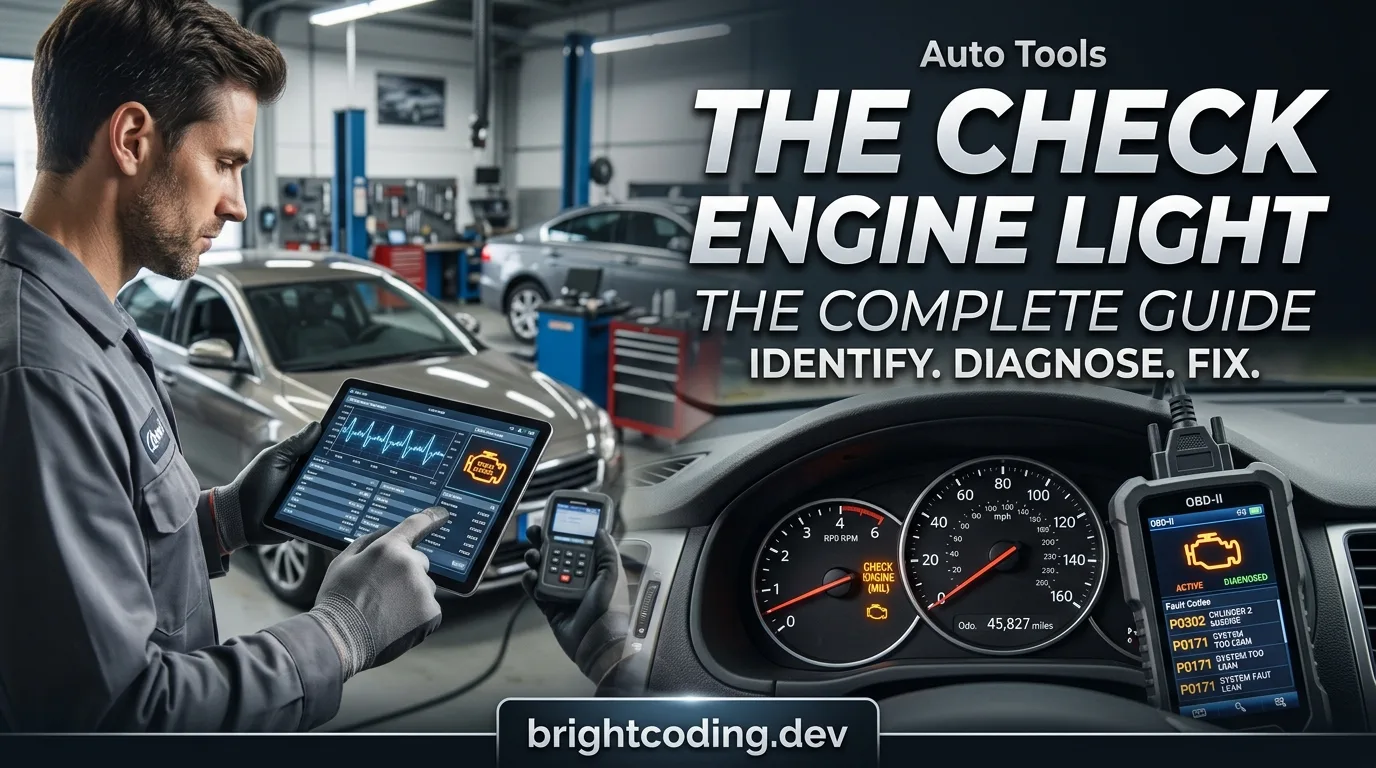
The check engine light is the ECM’s way of saying "I detected something outside the expected range". Behind every light there is at least one diagnostic trouble code (DTC) — a five-character code the ECM stores.
- Steady light: usually emissions or a sensor — not urgent, but read the code soon
- Flashing light: a severe misfire that can destroy the catalytic converter — stop when safe
- Light off but code stored: an intermittent fault — check pending codes
What to do first
Before anything, check the simplest causes. A loose or missing fuel cap is behind a surprising number of lights and triggers EVAP codes like P0442 or P0455.
- Check and tighten the fuel cap
- Note if the car drives normally or feels wrong
- Read the code with any OBD-II scanner or the free AutoTools lookup
- Fix the confirmed cause before clearing the code
The most common codes decoded
These five codes cover a large share of real-world check engine lights. Use the full OBD-II lookup for the complete list.
- P0300–P0304: misfire — spark plugs, ignition coils, injectors, vacuum leaks
- P0171/P0174: too lean — vacuum leak, MAF, fuel pressure
- P0420/P0430: catalyst efficiency below threshold
- P0128: thermostat stuck open (engine runs cold)
- P0442/P0455: EVAP system leaks — fuel cap first
When it is safe to drive
A steady light with a normal-feeling car is generally safe for a short trip to a garage or to read the code. A flashing light, a shaking engine or a loss of power means stop and have it towed if possible.
Questions about this article
Related articles
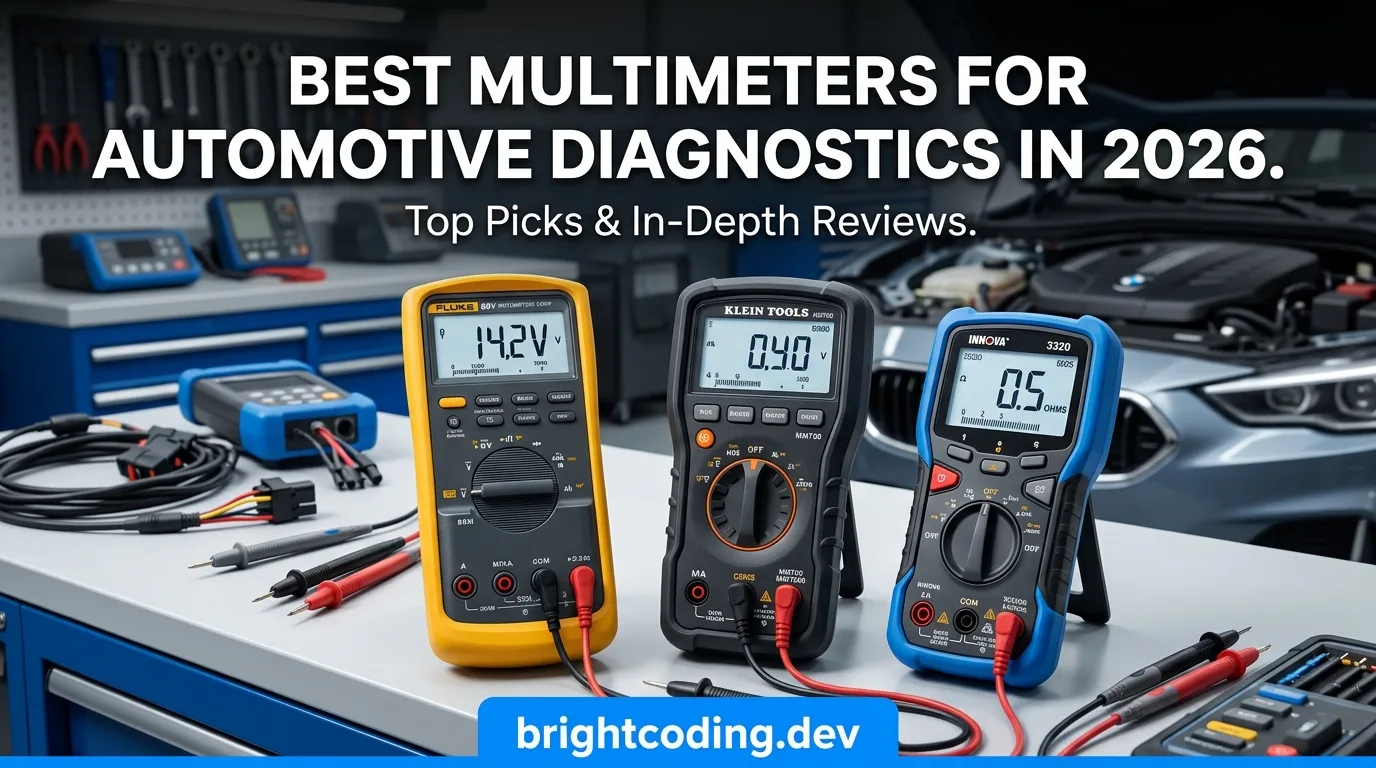
Best Multimeters for Automotive Diagnostics in 2026
Discover the best multimeters for automotive diagnostics in 2026. From budget picks to professional-grade tools, learn which features matter and how to choose the right meter for your garage.
Read the article →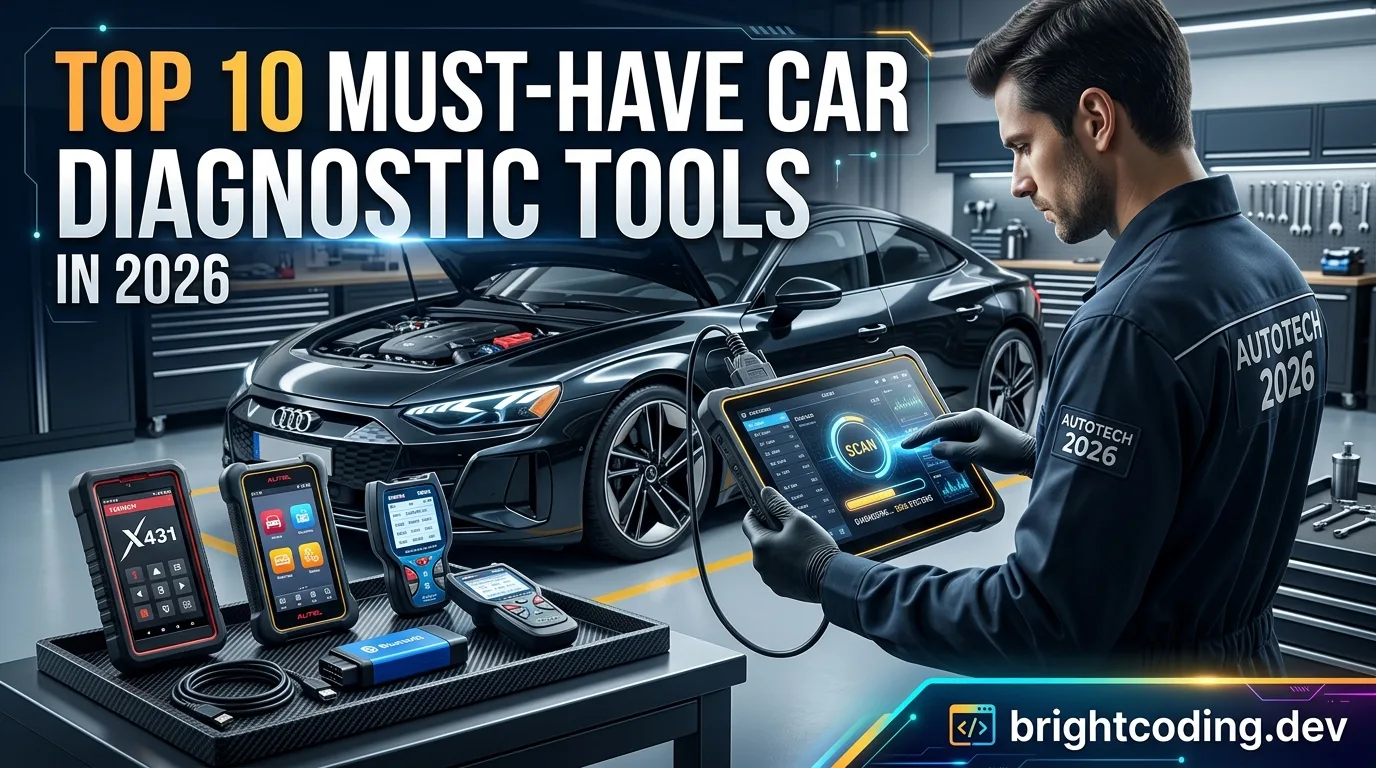
أفضل 10 أدوات تشخيص السيارات التي لا غنى عنها في 2026
اكتشف أفضل 10 أدوات تشخيص للسيارات في 2026، من ماسحات OBD2 العاملة بالبلوتوث إلى الأجهزة اللوحية الاحترافية ثنائية الاتجاه. تعرّف على الأداة التي تناسب ميزانيتك ومستوى مهارتك، وتوقف عن التخمين عند ظهور ضوء فحص المحرك.
Read the article →فهم OBD-II: الرموز والمنفذ والبيانات المباشرة
ما هو OBD-II وكيف تقرأ الرموز وأين المنفذ.
Read the article →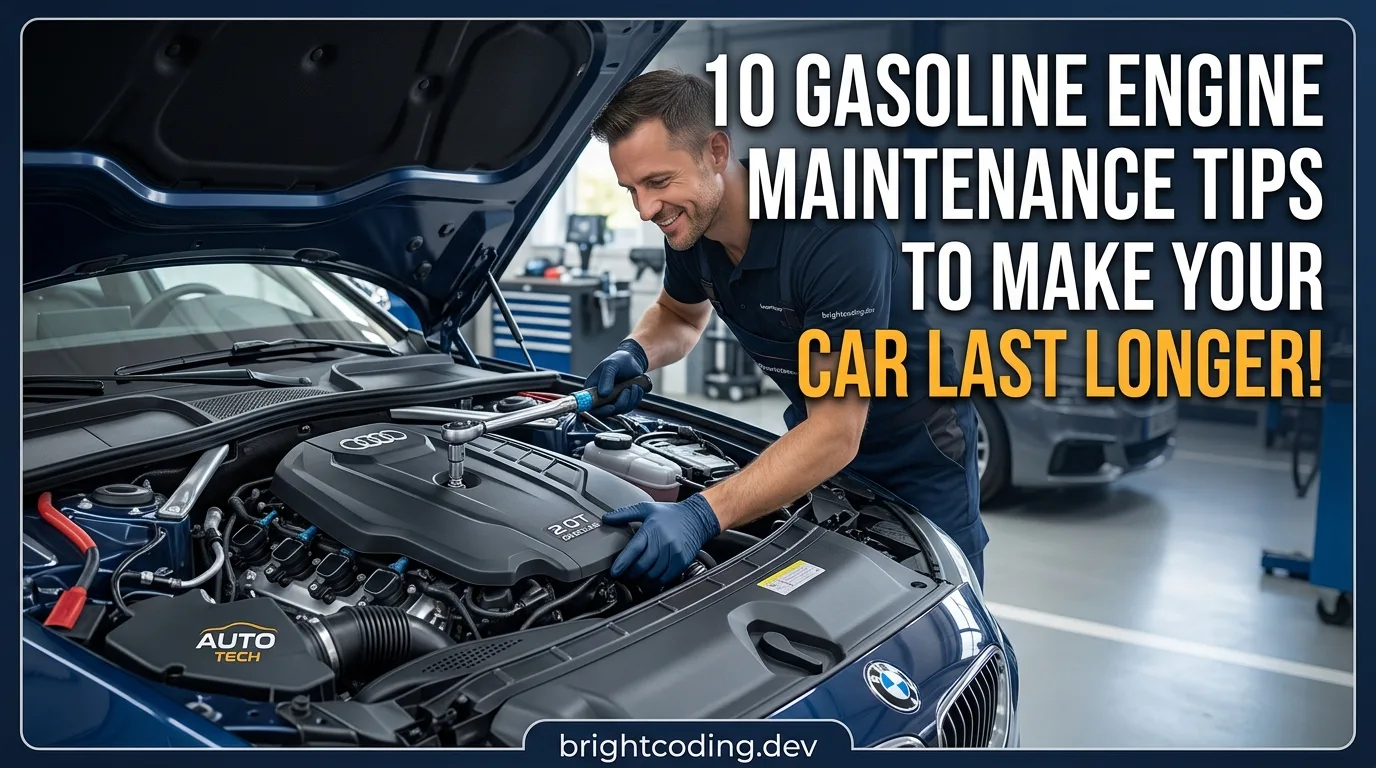
10 Gasoline Engine Maintenance Tips to Make Your Car Last Longer
Your engine doesn't die suddenly. It dies by a thousand small neglects, most of them cheap to fix and easy to postpone. This is the short list of habits that quietly add years to a gasoline engine, and the mistakes that quietly take them away.
Read the article →
البنزين مقابل الديزل: أي محرك أرخص في الصيانة؟
أنت واقف في معرض سيارات أو تتصفح الإعلانات، والسؤال نفسه يتكرر: بنزين أم ديزل؟ سعر الملصق ليس سوى نصف القصة. ما تدفعه فعلياً على مدى خمس أو سبع سنوات يعتمد على الصيانة الدورية والقطع والوقود وطريقة قيادة السيارة. هنا يصبح الجدل حول تكلفة صيانة البنزين مقابل الديزل مثيراً للاهتمام، وهنا تخطئ معظم النقاشات على الإنترنت.
Read the article →
محرك البنزين مقابل الديزل: أيهما أفضل حقاً في 2026؟
شراء سيارة في 2026 يعني أنك لا تستطيع تجنب سؤال البنزين مقابل الديزل، خاصة إذا كنت تتسوق لسيارة مستعملة أو تنظر إلى سيارة شبه جديدة لا يزال تحت غطاء محركها محرك احتراق. اقرأ هذا وستعرف كيف تطابق المحرك مع قيادتك الفعلية، وتحسب كيف تبدو تكاليف الوقود والتشغيل حقاً، وترصد علامات التحذير التي تشير إلى أن سيارة ديزل أو بنزين معينة هي الشراء الخاطئ لك. امنحه حوالي خمس عشرة دقيقة.
Read the article →