زيت المحرك: اللزوجة والمواصفات والأساطير
ماذا تعني الأرقام على العلبة ولماذا المواصفة أهم من الماركة.
قراءة العلبة: 5W-30
«5W» لزوجة باردة و«30» لزوجة ساخنة. رقم بارد أقل يسهل البدء البارد.
المواصفة أهم من الماركة
اللزوجة نصف القصة. المواصفة (API، ACEA، المصنع) تحدد الإضافات. مواصفة خاطئة قد تجوّع التوربو.
Questions about this article
Related articles
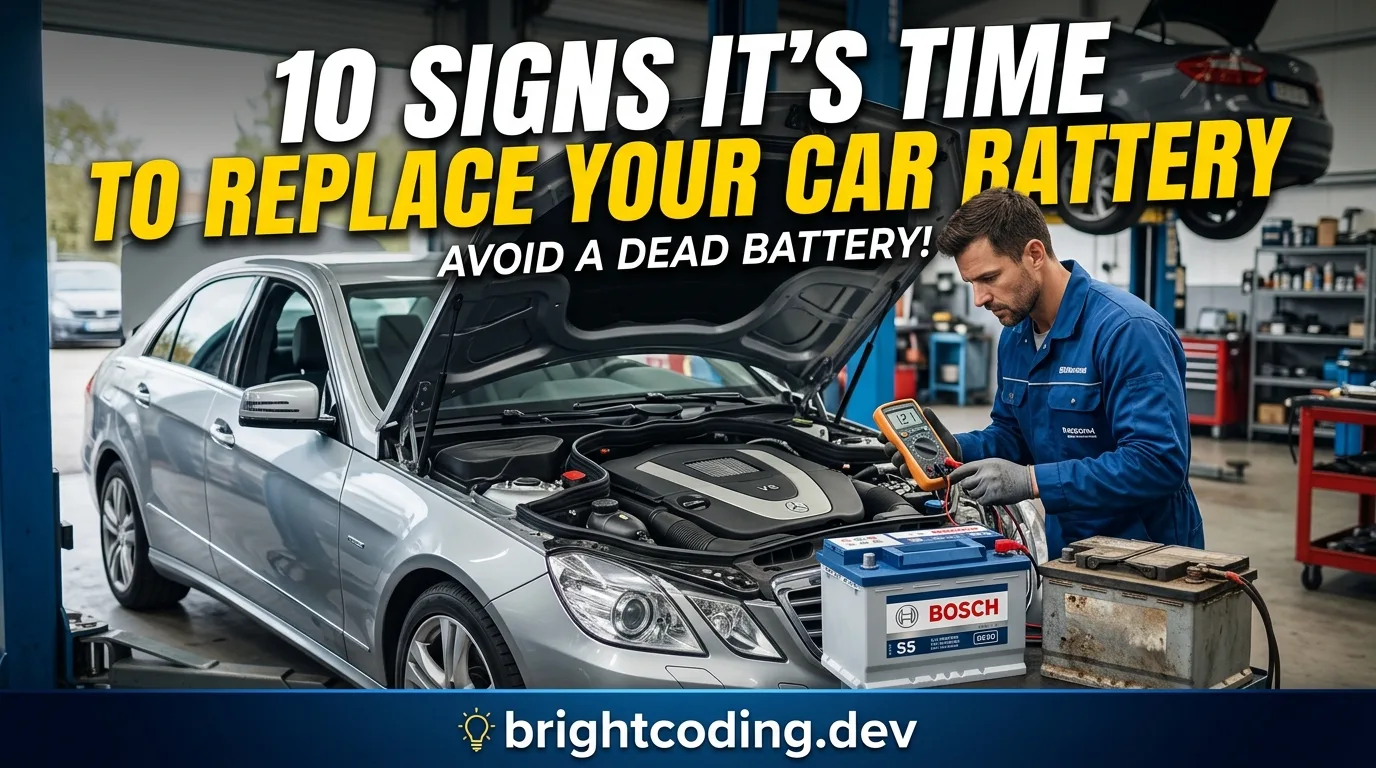
10 علامات تدل على أن وقت استبدال بطارية سيارتك قد حان
نادراً ما تموت البطارية بإعلان دراماتيكي. عادةً ما تهمس أولاً: دوران بطيء في صباح بارد، أضواء تخفت عند التوقف، ساعة تعيد ضبط نفسها. تستعرض هذه المقالة العلامات العشر التي تهم فعلاً، وتجيب عن الأسئلة الأكثر شيوعاً حول بطاريات السيارات، وتخبرك متى تستمر في القيادة ومتى تتوقف عن تجاهلها.
Read the article →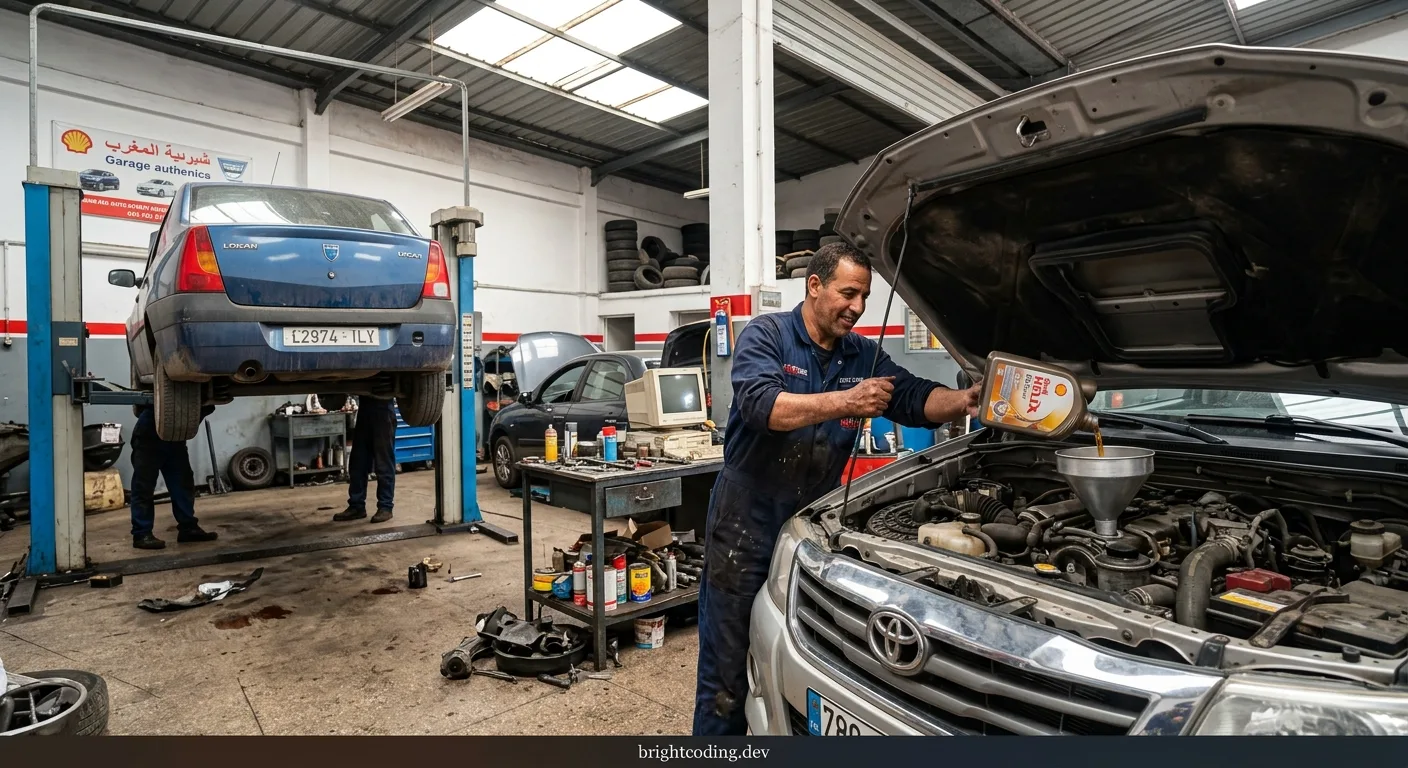
كم مرة يجب أن تغير زيت محرك سيارتك فعلاً؟
تغيير الزيت كل 3000 ميل هو واحد من أنجح الحملات التسويقية في تاريخ السيارات. وهو أيضاً أصبح متجاوزاً في معظم الحالات. بنهاية هذا الدليل ستعرف كيف تحدد الفترة الصحيحة لسيارتك وأسلوب قيادتك ونوع الزيت الذي تستخدمه، وليس الرقم الذي علقه بعض مراكز التغيير السريع على الحائط.…
Read the article →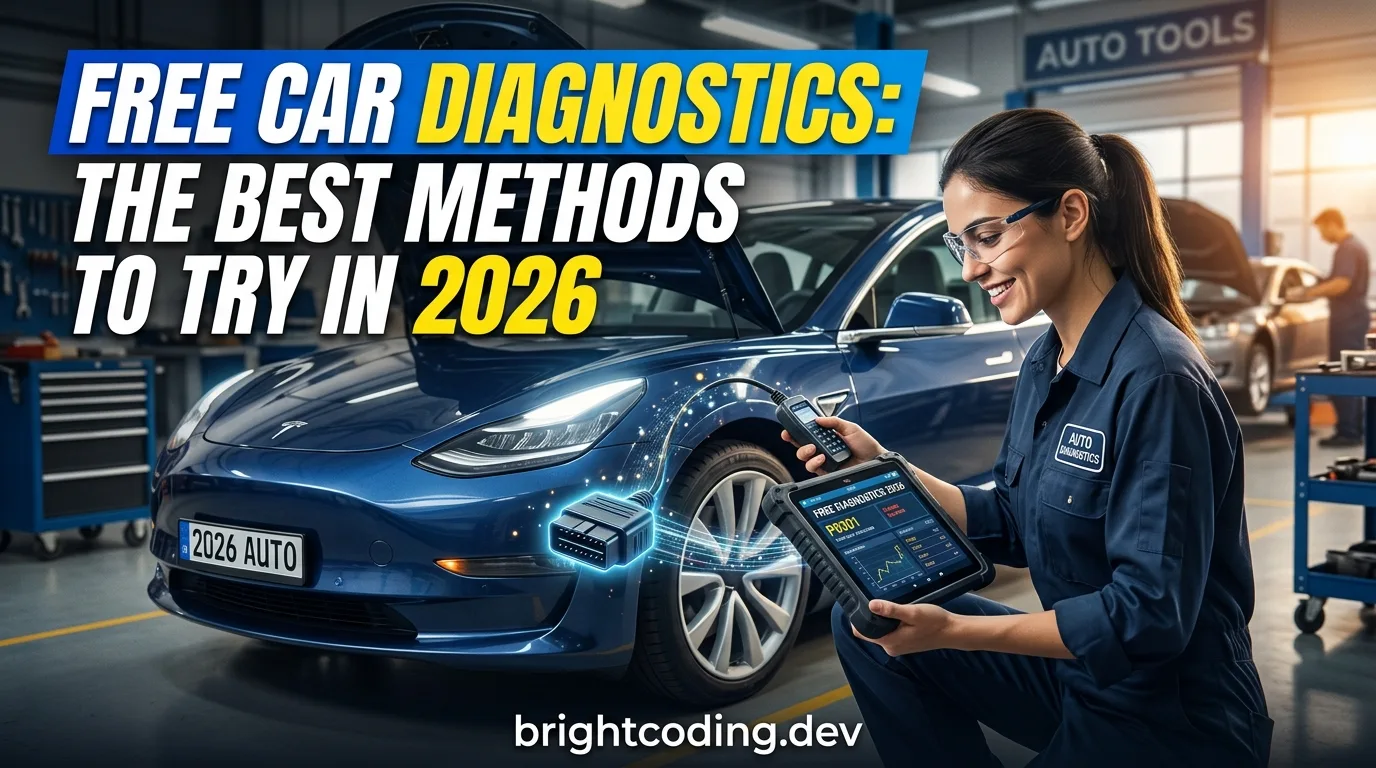
Free Car Diagnostics: The Best Methods to Try in 2026
Discover the best free car diagnostic methods of 2026, from AI-powered symptom checkers to live OBD scanners, and learn how to troubleshoot your vehicle without spending a dime at the dealership.
Read the article →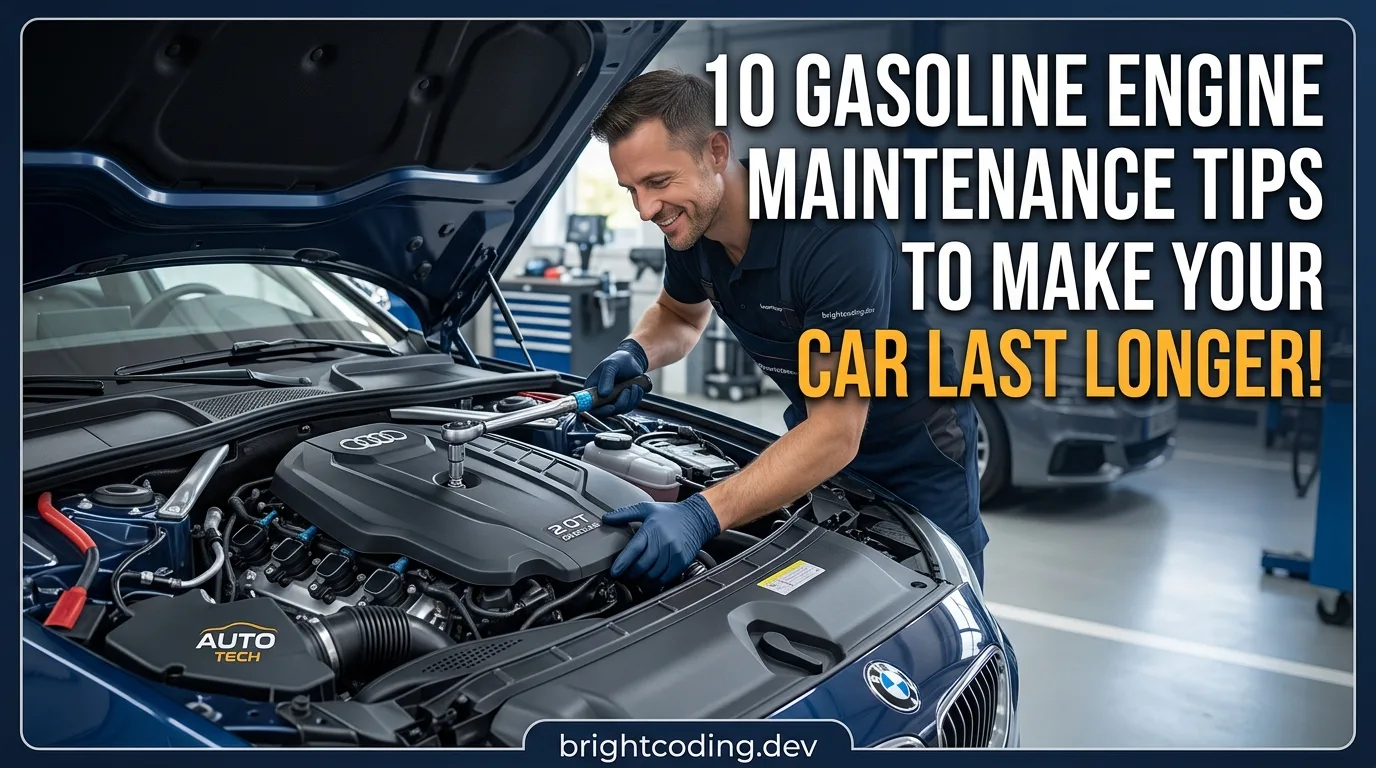
10 Gasoline Engine Maintenance Tips to Make Your Car Last Longer
Your engine doesn't die suddenly. It dies by a thousand small neglects, most of them cheap to fix and easy to postpone. This is the short list of habits that quietly add years to a gasoline engine, and the mistakes that quietly take them away.
Read the article →
البنزين مقابل الديزل: أي محرك أرخص في الصيانة؟
أنت واقف في معرض سيارات أو تتصفح الإعلانات، والسؤال نفسه يتكرر: بنزين أم ديزل؟ سعر الملصق ليس سوى نصف القصة. ما تدفعه فعلياً على مدى خمس أو سبع سنوات يعتمد على الصيانة الدورية والقطع والوقود وطريقة قيادة السيارة. هنا يصبح الجدل حول تكلفة صيانة البنزين مقابل الديزل مثيراً للاهتمام، وهنا تخطئ معظم النقاشات على الإنترنت.
Read the article →
محرك البنزين مقابل الديزل: أيهما أفضل حقاً في 2026؟
شراء سيارة في 2026 يعني أنك لا تستطيع تجنب سؤال البنزين مقابل الديزل، خاصة إذا كنت تتسوق لسيارة مستعملة أو تنظر إلى سيارة شبه جديدة لا يزال تحت غطاء محركها محرك احتراق. اقرأ هذا وستعرف كيف تطابق المحرك مع قيادتك الفعلية، وتحسب كيف تبدو تكاليف الوقود والتشغيل حقاً، وترصد علامات التحذير التي تشير إلى أن سيارة ديزل أو بنزين معينة هي الشراء الخاطئ لك. امنحه حوالي خمس عشرة دقيقة.
Read the article →