Why Hard Braking Can Cost You More Than You Think
You stab the pedal, the nose dives, and you stop just in time. Feels like good driving, right? That single moment of panic braking sends a bill to a dozen parts you never think about, and it keeps charging interest long after you've driven away.
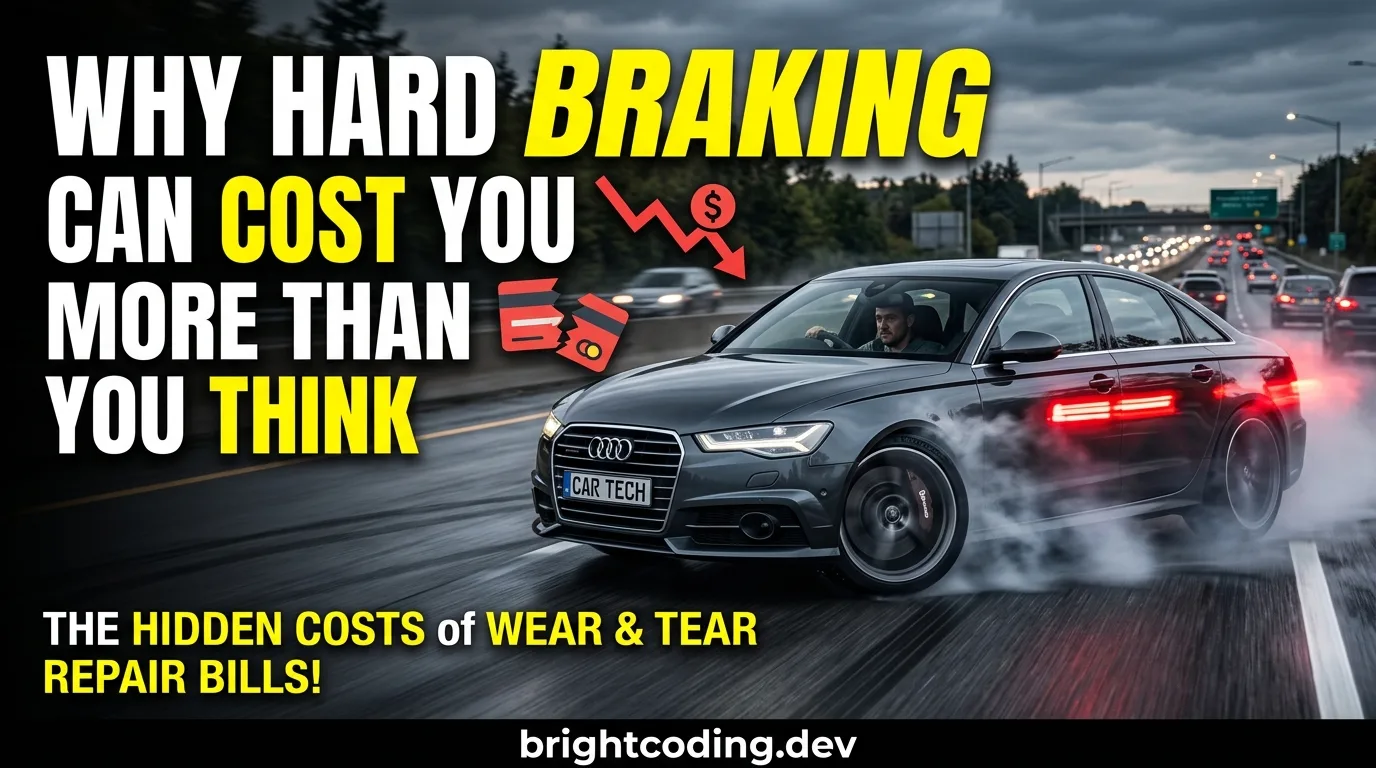
You stab the pedal, the nose dives, and you stop just in time. Feels like good driving, right? That single moment of panic braking sends a bill to a dozen parts you never think about, and it keeps charging interest long after you've driven away.
This isn't a lecture about driving slower. It's about understanding what hard braking actually does to your car, so you can spot the damage early, avoid unnecessary repairs, and know when a "harmless" habit is quietly eating your brake budget.
Why most people get this wrong
Brakes are one of the few systems on your car designed to wear out. That makes it easy to assume everything is fine until a warning light shows up or the pedal goes soft. But wear isn't the only problem. Heat, stress, and the way you stop all add up.
Most drivers judge their brakes by feel alone. If the car stops straight and the pedal is firm, they figure there's nothing to worry about. The trouble is that hard braking often damages things gradually, and those early symptoms are subtle enough to ignore for months.
Then there's the cost side. People budget for pads and rotors, maybe a fluid change. They rarely think about the calipers, the wheel bearings, the control arm bushings, or the tires. All of those take a hit when you brake hard, especially if you do it often.
1 - Assuming hard braking only wears your pads
You're late for work, traffic stops suddenly, and you mash the pedal. Pads wear a little, sure. But that same stop also heats the rotors, stresses the caliper pistons, and loads the suspension bushings.
People make this mistake because pads are the visible, understandable part. They're the thing you replace, so they feel like the whole story.
The consequence is that you replace pads on schedule and still end up with warped rotors, a sticking caliper, or clunking bushings. Those repairs cost far more than a pad set.
To avoid it, treat every hard stop as a small withdrawal from multiple accounts. If you brake hard regularly, check your rotors, calipers, and suspension at the same time you check the pads.
2 - Ignoring the smell of hot brakes
That sharp, burnt, almost metallic smell after a hard stop from highway speed isn't normal. It's the friction material and rotor surface cooking.
Most people brush it off because the smell fades once the car cools. It doesn't mean the damage faded with it.
Repeated overheating can glaze the pads, which reduces grip and makes the brakes feel wooden. It can also warp a rotor, and once that happens, you'll feel a pulsing pedal every time you stop.
If you smell hot brakes more than once in a week, get them inspected. A cheap inspection now beats a rotor and pad job later.
3 - Braking hard to "warm up" the brakes
Some drivers think a few hard stops before a long downhill run gets the brakes ready. On the street, that usually just means you've added heat you didn't need.
The logic sounds reasonable. Race drivers do it on a track. But street pads, street rotors, and street fluid aren't built for that kind of heat cycling, and you gain nothing.
You end up with hotter brakes before the hard work even starts, which shortens the margin before fade.
Skip the warm-up ritual. Drive normally and let the brakes do their job when you actually need them.
4 - Riding the brakes downhill instead of using the engine
You're on a long mountain descent and your instinct is to hold light brake pressure the whole way down. By the bottom, the pedal feels soft and the car takes longer to slow.
This one is genuinely easy to get wrong, because light, continuous braking feels safer than letting the car roll faster between brake applications.
The problem is heat. Constant drag doesn't give the brakes a chance to cool, and overheated fluid can boil. That's when the pedal goes to the floor, which is exactly the moment you need it most.
Use a lower gear to let engine braking carry the load, then apply the brakes firmly for short bursts when you need to slow further. It's one of the simplest habits that protects your whole brake system.
5 - Never checking brake fluid because "it looks fine"
Brake fluid is the quiet victim of hard braking. It absorbs moisture over time, and heat accelerates the process. Dark or cloudy fluid is a sign it's overdue.
Most owners never look at it. The reservoir is hidden, the fluid level barely moves, and there's no light until something is genuinely wrong.
Old, moisture-heavy fluid boils at a lower temperature. Under hard braking, that can mean a spongy pedal or complete loss of pressure when you need it most.
Check the fluid color and level at every oil change, and follow your owner's manual for the replacement interval. If you're not sure how, the step-by-step car guides at /guides walk you through it.
6 - Blaming the brakes when the real fault is elsewhere
Your car pulls to one side under hard braking, so you assume a caliper is stuck. Sometimes it is. Sometimes it's a worn control arm bushing, a bad wheel bearing, or uneven tire pressure.
This mistake happens because brakes are the obvious suspect. They're the system doing the work, so they get the blame.
Chasing the wrong part wastes money and leaves the real problem to get worse. A bad bushing doesn't fix itself, and it can wear your tires unevenly in the meantime.
If you have a warning light, start with the free OBD code lookup at /obd to see what the car is actually reporting. For symptoms without a code, the car symptom finder at /symptom helps narrow it down before you start buying parts.
7 - Replacing pads without checking the rotors
New pads on worn, scored, or warped rotors is a classic DIY mistake. The car stops, so it feels like a win, at least for a few weeks.
People do it because pads are cheap and rotors are not. It's tempting to skip the expensive half of the job.
The new pads never bed in properly against a bad surface. You get noise, vibration, uneven wear, and sometimes you're back under the car within months.
Measure rotor thickness and check for deep grooves or heat spots. If they're out of spec, replace them. Your new pads will last longer and stop better.
8 - Ignoring the tires that do the actual stopping
Brakes stop the wheel. Tires stop the car. If your tread is worn or your pressures are off, hard braking exposes it fast.
Drivers separate these systems in their heads. Brakes are brakes, tires are tires. In a panic stop, they're one system.
Worn tires lengthen your stopping distance and are far more likely to lock up or lose grip under hard braking, especially in the wet. That's a safety problem first and a money problem second.
Check pressures monthly and tread depth regularly. If you're changing wheel or tire sizes, the tire size comparison tool at /tires shows how the change affects your setup before you commit.
9 - Treating a soft pedal as "just how it feels"
A pedal that sinks slowly at a stop, or feels soft after a hard stop, is a warning. It usually points to air in the lines, a failing master cylinder, or fluid that's past its prime.
It's easy to dismiss because the car still stops. The change is gradual, and gradual changes are easy to normalize.
The consequence is that you find out how bad it is at the worst possible moment. Brake failures rarely announce themselves politely.
If the pedal changes at all, get it checked. Bleeding the system or replacing the fluid is cheap compared to a crash.
Do this instead
- Look further ahead so you can brake early and gently instead of hard and late.
- Use engine braking on long descents, with firm short brake applications when needed.
- Check brake fluid color and level at every oil change, not just when something feels wrong.
- Inspect pads and rotors together, and measure rotor thickness before reusing them.
- Keep tires properly inflated and replace them before the tread is gone.
- When a warning light appears, run the code first before buying parts.
- If the pedal feel changes, treat it as urgent.
FAQ
Does hard braking actually damage my car, or just wear the pads faster? It wears pads faster, but it also adds heat and stress to rotors, calipers, fluid, and suspension components. Occasional hard stops are normal and safe. Doing it constantly is what causes expensive damage.
How do I know if my rotors are warped? A pulsing or vibrating brake pedal, especially during steady braking, is the usual sign. Have a shop measure them, since the fix is replacement if they're out of spec.
Can hard braking cause a soft brake pedal? Yes, indirectly. Repeated hard braking heats the fluid, and old fluid with moisture in it can boil, which introduces gas into the system and gives you a spongy pedal.
Is engine braking bad for my transmission? Used sensibly on descents, engine braking is normal and expected. It's far kinder to your brakes than riding them down a long hill.
How often should brake fluid be changed? It varies by vehicle, so check your owner's manual. Many manufacturers call for a change every few years regardless of mileage, because moisture builds up over time.
Hard braking isn't a crime, but treating it as free is a mistake that shows up on your repair bill sooner or later.
Ready to act on what you just read? Decode that warning light with the free OBD code lookup, run the matching car tools to check the numbers yourself, or browse more practical car articles for ideas.
Related articles
How to Reverse Park Perfectly Every Time
Reverse parking is the one driving skill almost nobody practises after they pass their test. That is why it feels hard. The good news: it is a geometry problem, not a talent contest. Once you know where to put your car and when to turn the wheel, the manoeuvre repeats itself the same way every time.
Read the article →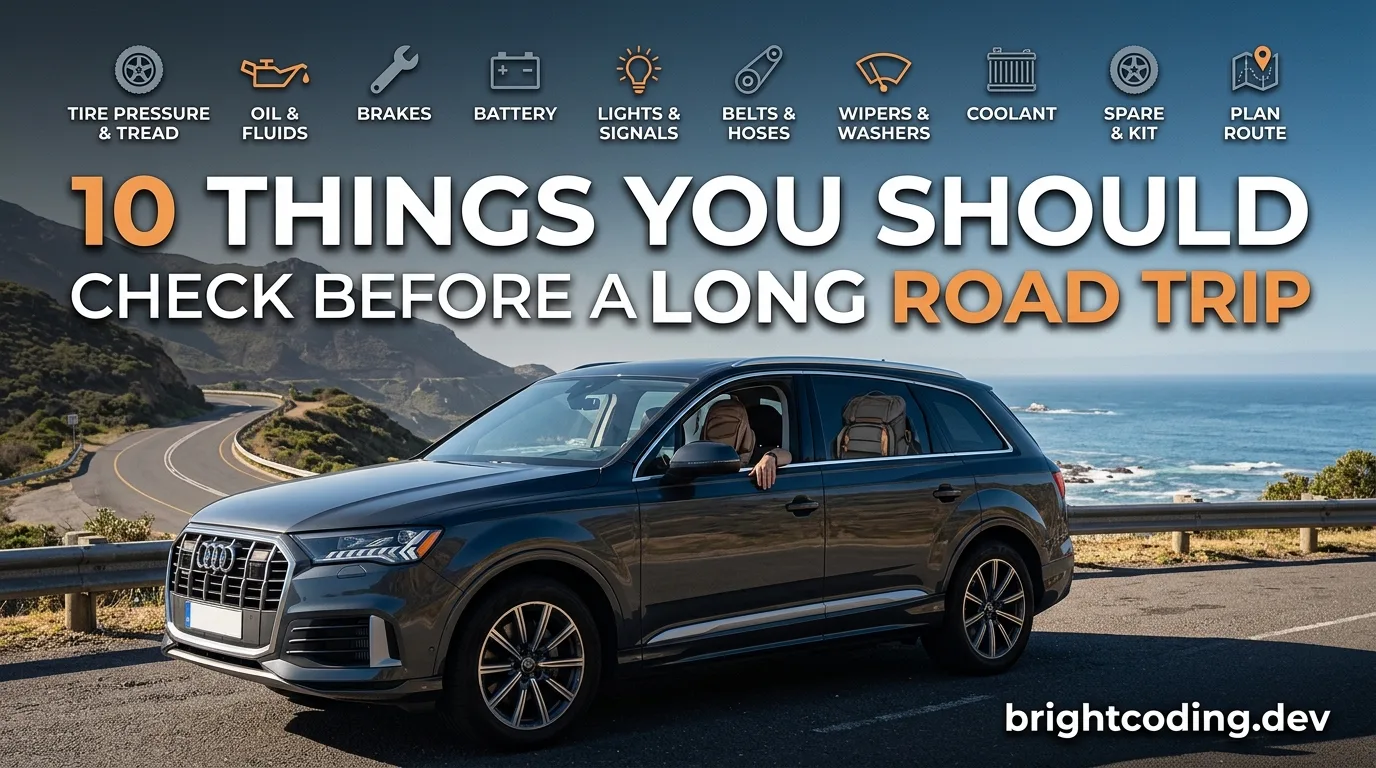
10 Things You Should Check Before a Long Road Trip
The smell hit me somewhere west of the last exit with a gas station. Sweet, a little sharp, like syrup left on a hot stove. I had the windows down at 70 mph and still caught it, which meant it was coming from me, not the truck in front.
Read the article →
15 Common Driving Mistakes That Increase Accident Risk
Most crashes do not start with a dramatic event. They start with a decision you have made a hundred times without thinking: rolling a stop sign, tailgating the guy who cut you off, fiddling with the radio on the highway. Nothing happens 999 times, so the habit feels safe. That is exactly what makes…
Read the article →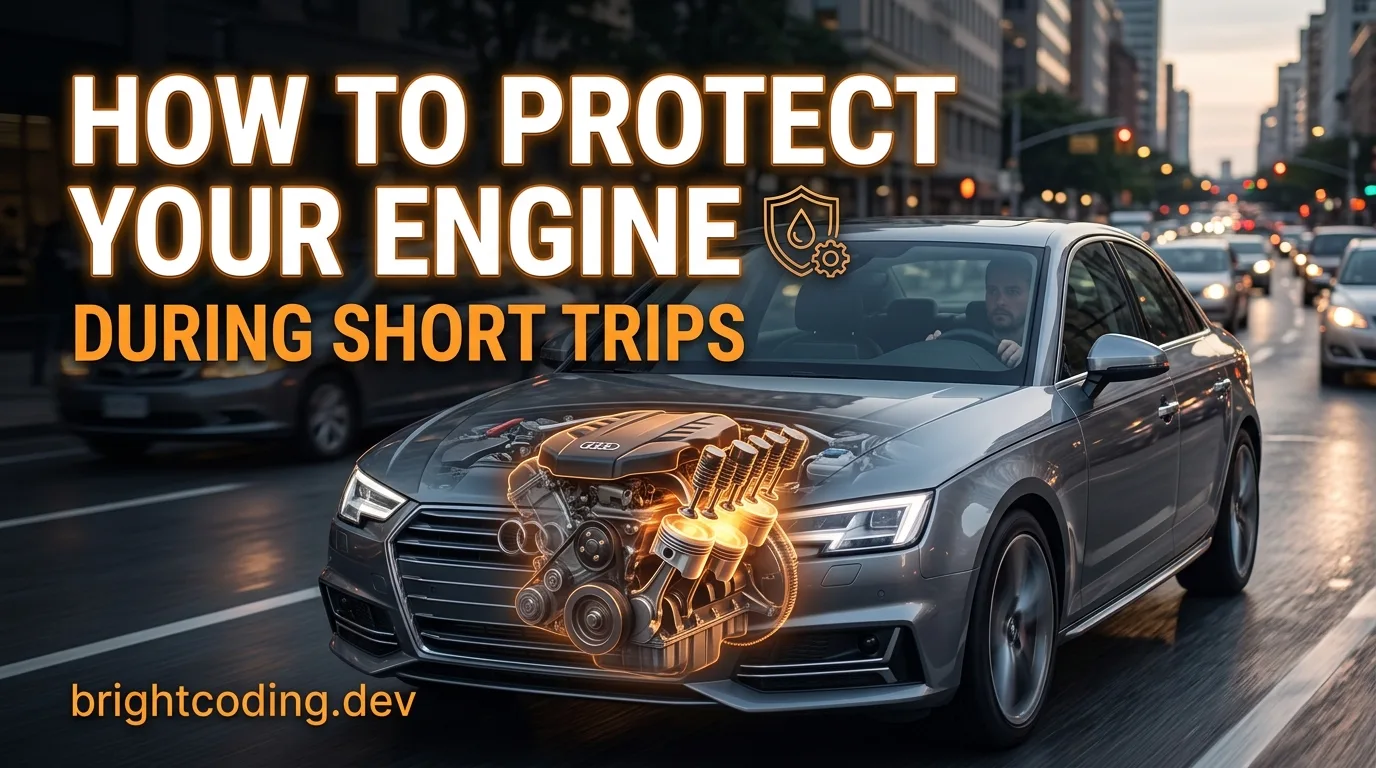
How to Protect Your Engine During Short Trips
Short trips are brutal on an engine, and most people never realize it. If your daily routine is a five-minute drive to the store, the school run, or a commute under ten minutes, your oil never gets hot enough to do its job properly. After reading this, you'll know exactly how to reduce that damage:…
Read the article →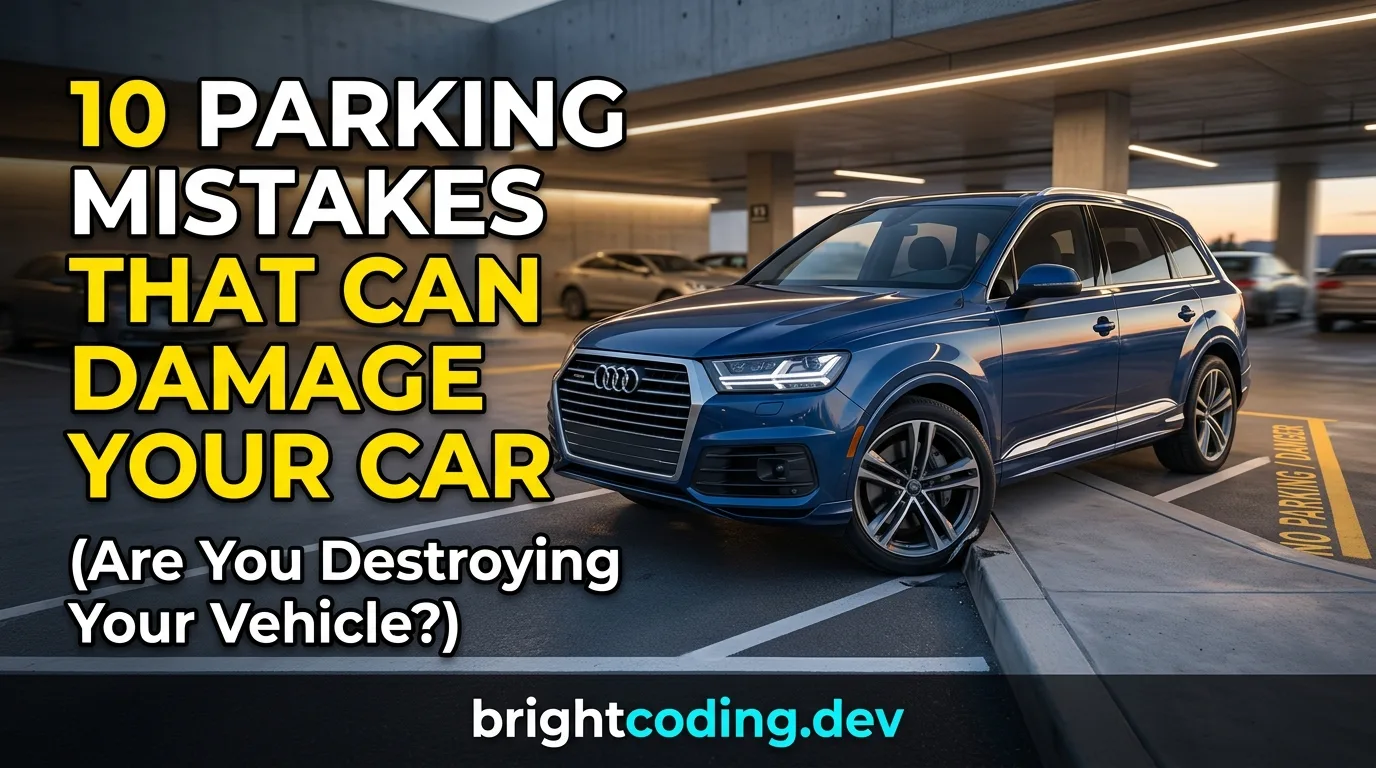
10 Parking Mistakes That Can Damage Your Car
You park a dozen times a day. That's exactly why it goes wrong. Nobody thinks about parking until a mirror is hanging by a wire or a wheel bearing starts humming at highway speed.
Read the article →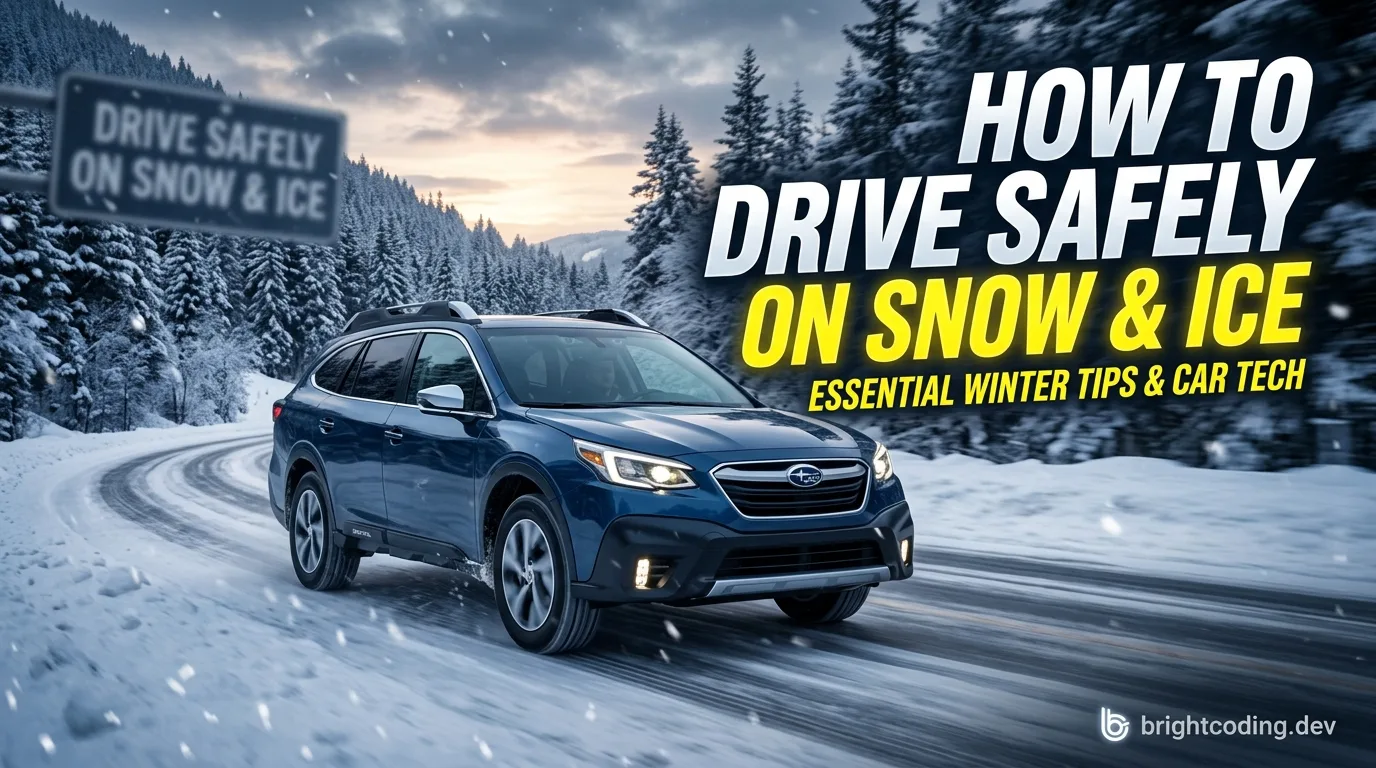
How to Drive Safely on Snow and Ice
Snow driving is mostly a set of small decisions made before you ever touch the gas. Get those right and the road stops being scary.
Read the article →