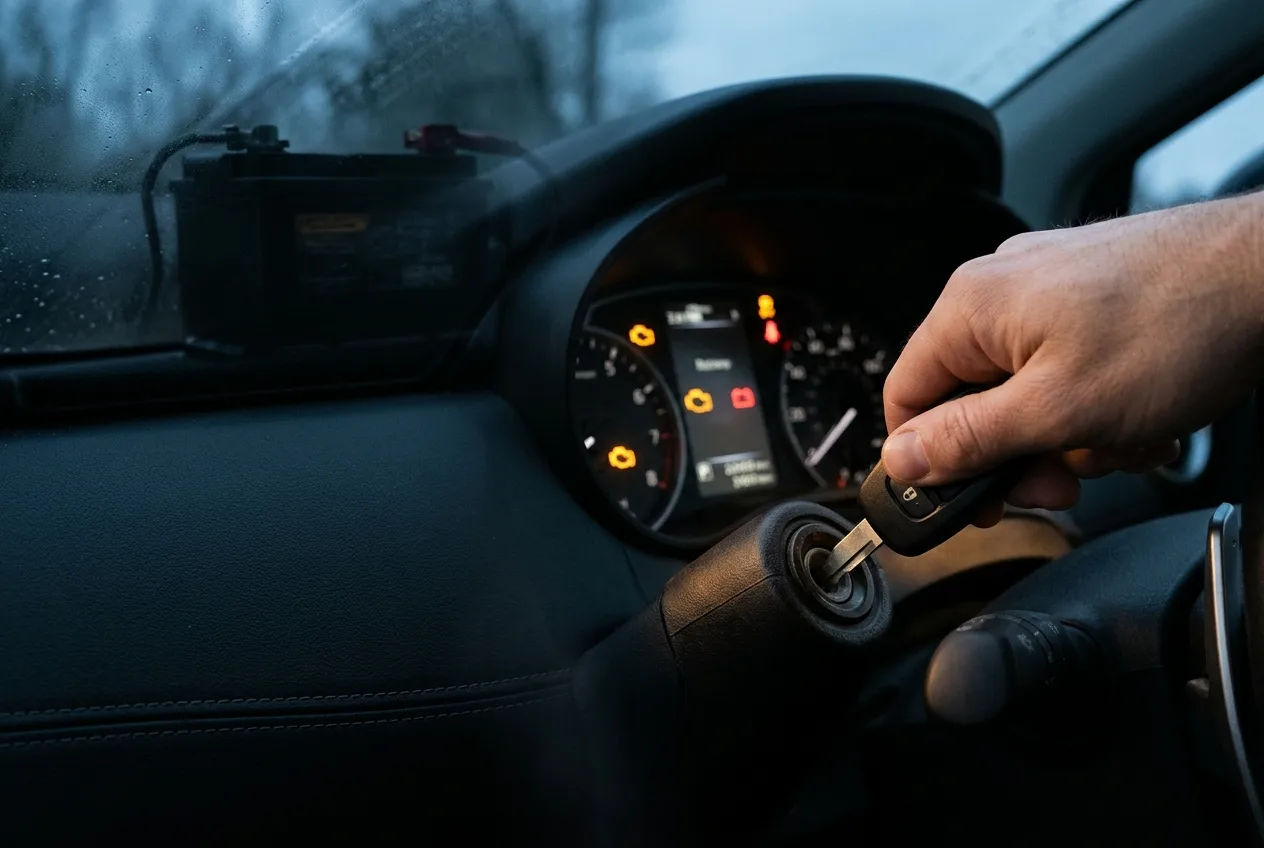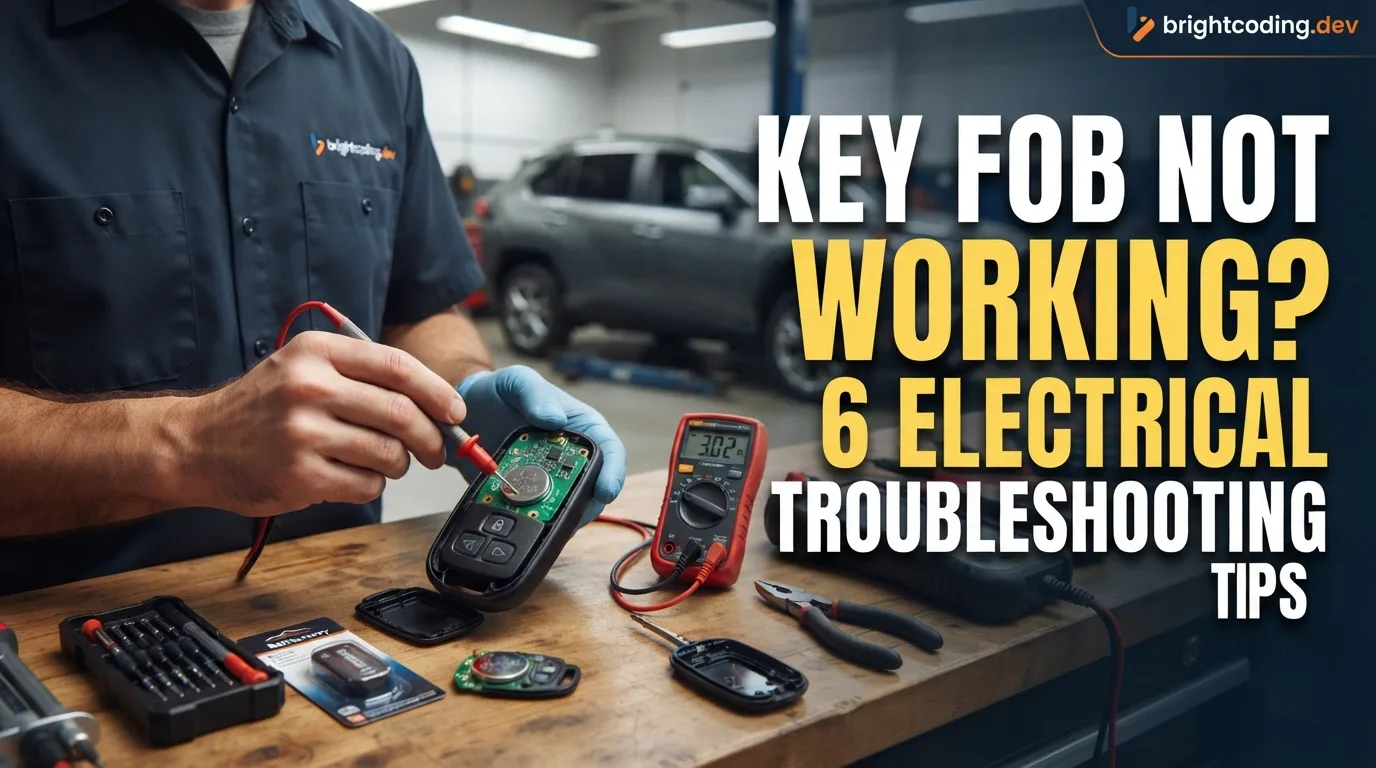
You’re standing in the parking lot. You press the button. Nothing.
You press it again. Still nothing.
You look like you’re playing a frantic game of Tekken on a plastic controller, but your car remains stubbornly locked. Panic sets in. Is the battery dead? Did you break the remote? Is this going to cost $500 at the dealership?
Relax. Before you call a tow truck or empty your wallet, take a breath. The issue is often simpler—and much cheaper—than you think.
Here are 6 electrical troubleshooting tips to get your key fob working again.
1. The "Confused Car" Reset Trick
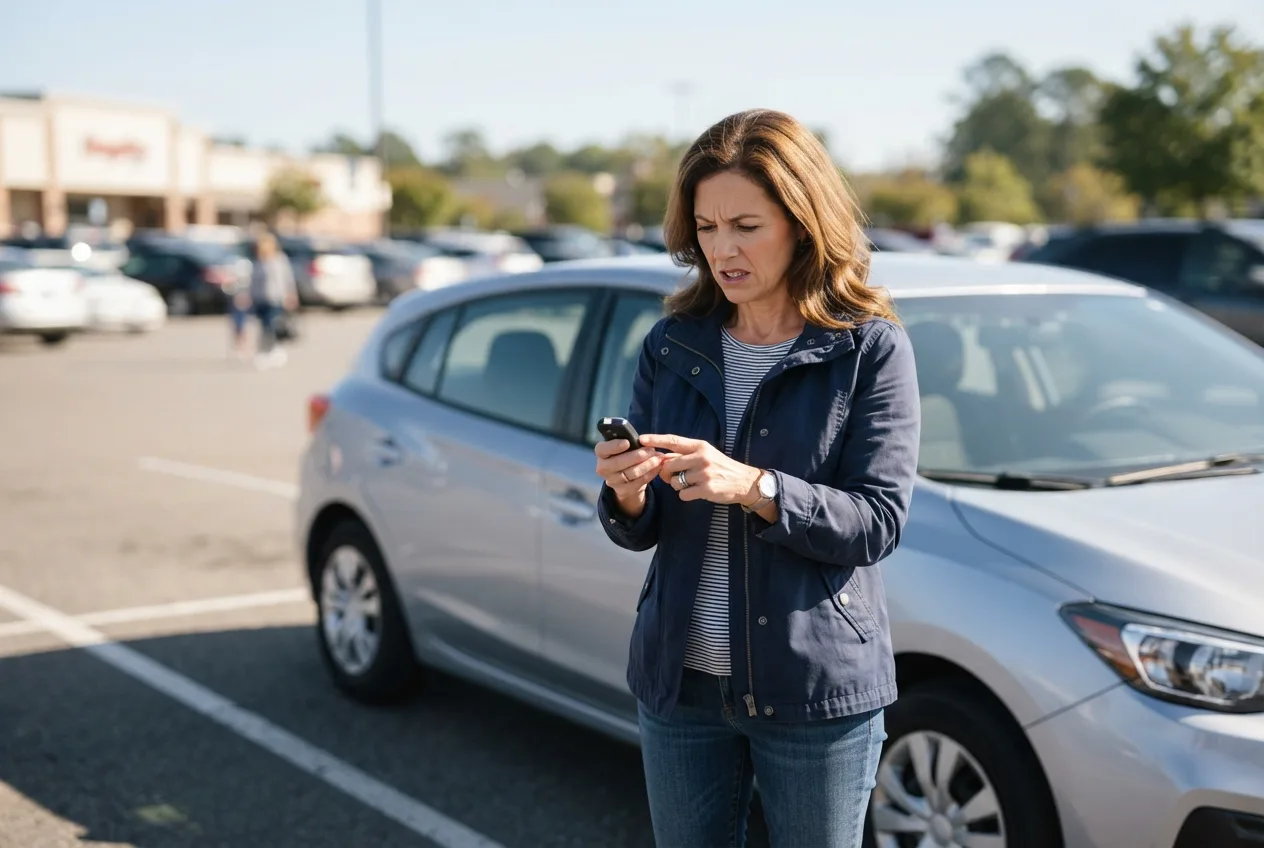
Before you assume the fob is broken, your car’s computer might just be confused. Modern cars have a receiver module that can sometimes "hiccup."
- The Fix: Stand close to your car. Press and hold the "Lock" button for 5 seconds, then press and hold "Unlock" for 5 seconds. Then, try pressing "Lock" normally.
- The Manual Key Test: If the fob doesn't work at all, use the physical key inside the fob to unlock the door. If the alarm goes off when you open the door, your fob battery is likely dead (or the fob needs reprogramming). If the alarm doesn't go off, you have a bigger electrical issue in the car, not the fob.
2. The "Dead Zone" Check (Signal Interference)
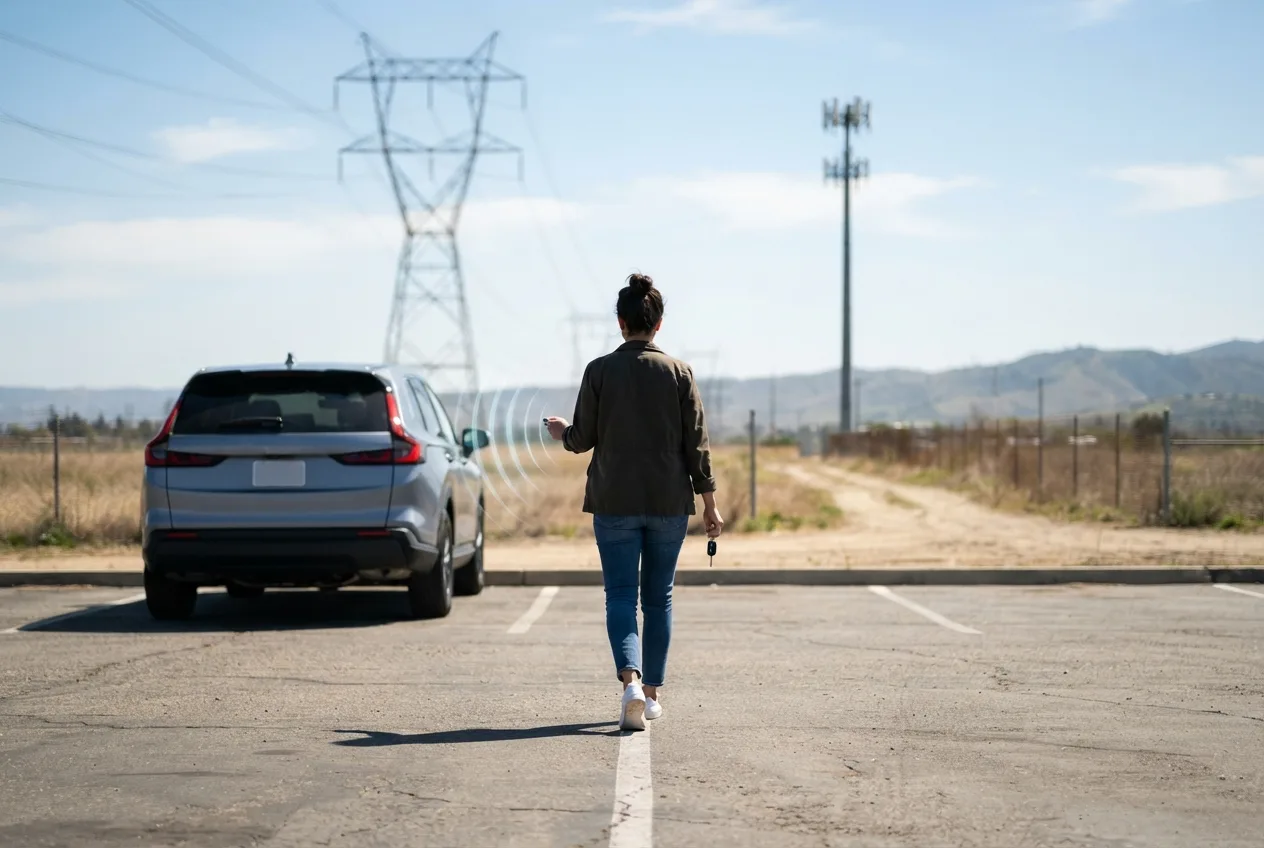
Did you know that your key fob is essentially a tiny radio station? It broadcasts a signal to your car. If there is "radio traffic" nearby, your signal gets jammed.
- The Culprit: Cell phone towers, large power lines, airport radar, or even a laptop in your bag can interfere with the signal.
- The Fix: Move away from the area. Walk 50 feet away, then walk back. If it works then, it’s not your fob—it’s your location.
3. The "Coin Cell" Swap (It’s Not Always the Battery… But It Usually Is)
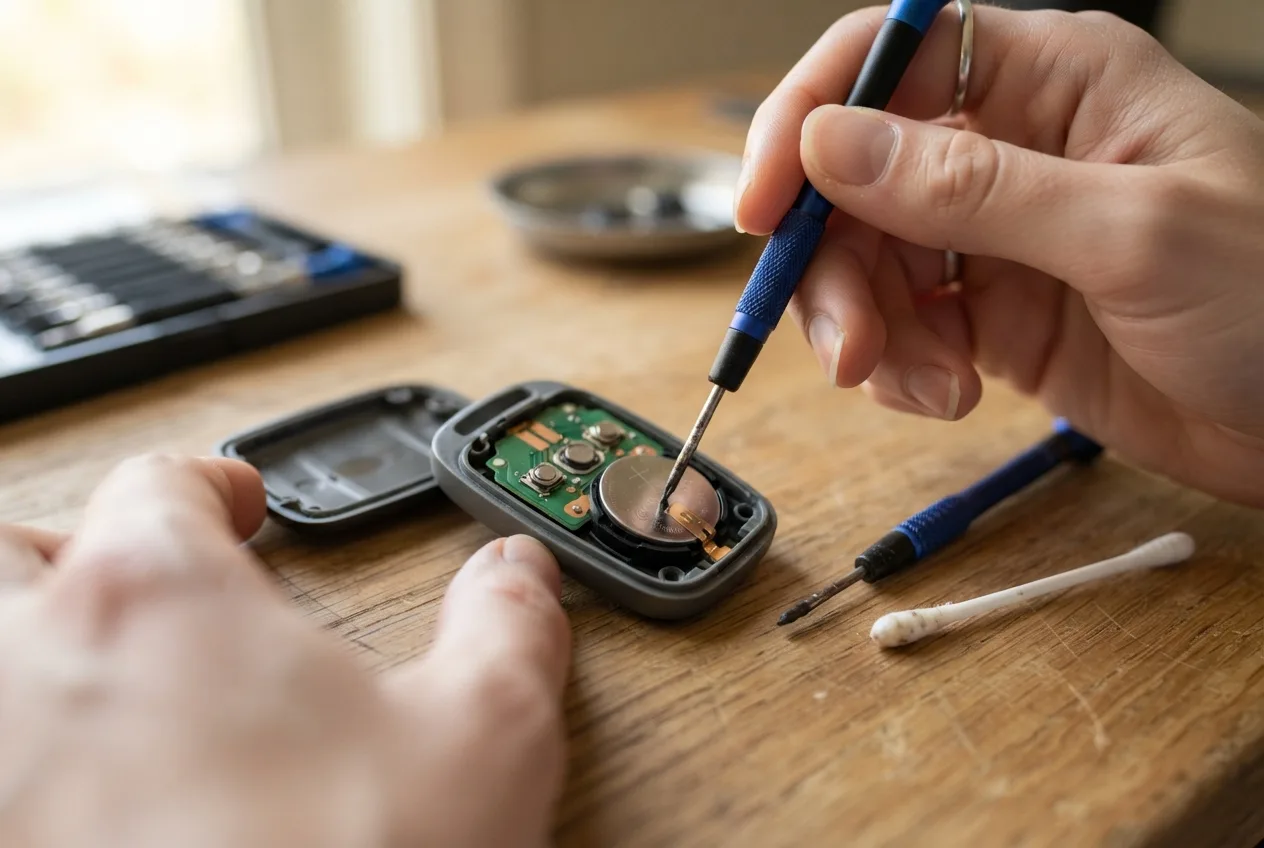
Okay, we know you checked the battery. But did you check it correctly?
- The Trick: Even if the battery looks new, the contacts might be dirty. Open the fob and look at the metal prongs. Are they bent? Are they dirty? Use a Q-tip with a tiny bit of rubbing alcohol to clean the contacts.
- The "Pro Tip": Don't touch the flat sides of the new battery with your bare fingers. The oils on your skin can actually insulate the battery and cause it to fail prematurely. Use a cloth or gloves.
4. The "Invisible Button" (The Circuit Board Check)
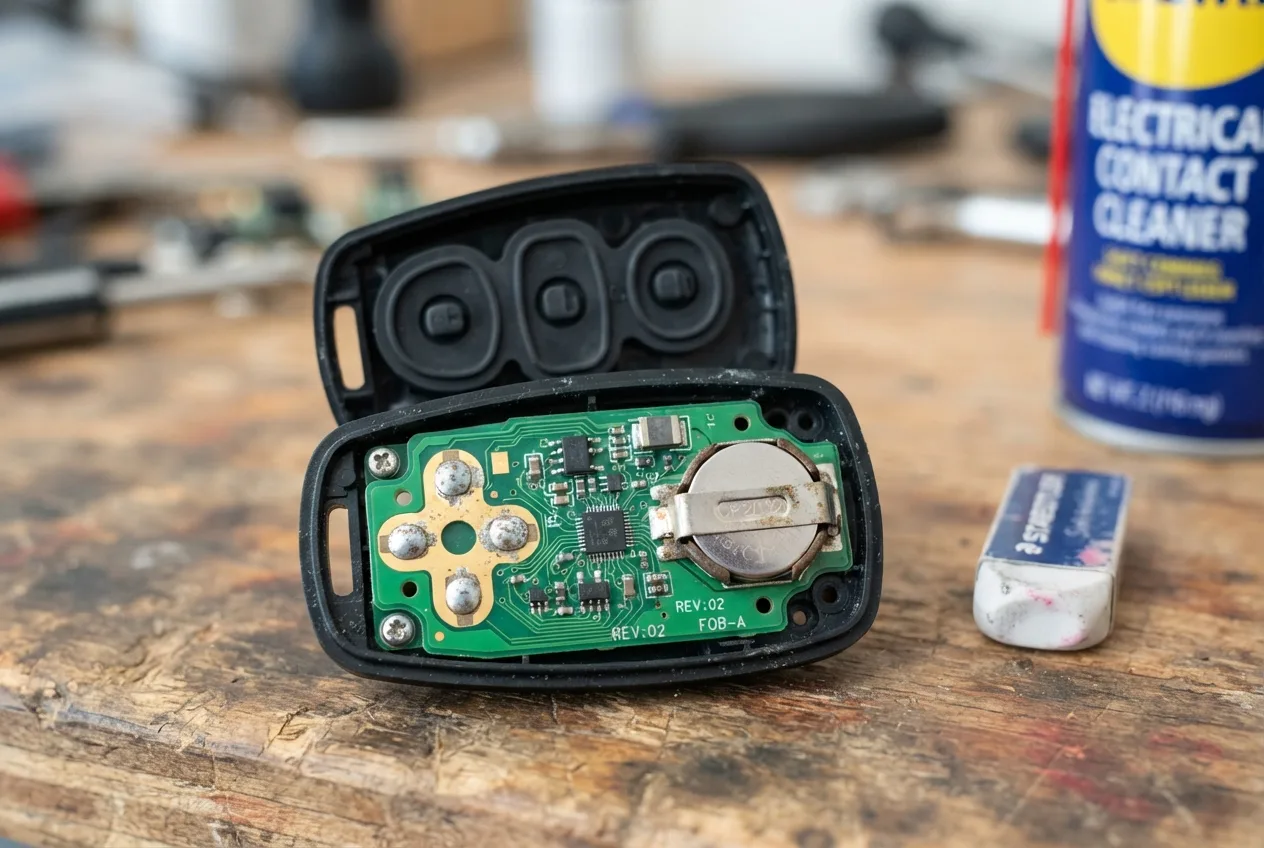
If you’ve spilled coffee on your keys or dropped them in a puddle, the issue might be internal.
- The Fix: Open the fob (carefully) and inspect the green circuit board. Do you see a white, crusty residue? That’s corrosion. Clean it gently with a soft pencil eraser or electrical contact cleaner.
- The Button Test: Sometimes the rubber buttons wear out. When you press the button, does it actually press the little metal dome on the board? If not, use a tiny piece of aluminum foil on the back of the rubber button to help it make contact.
5. The "Fob Dance" (Reprogramming)
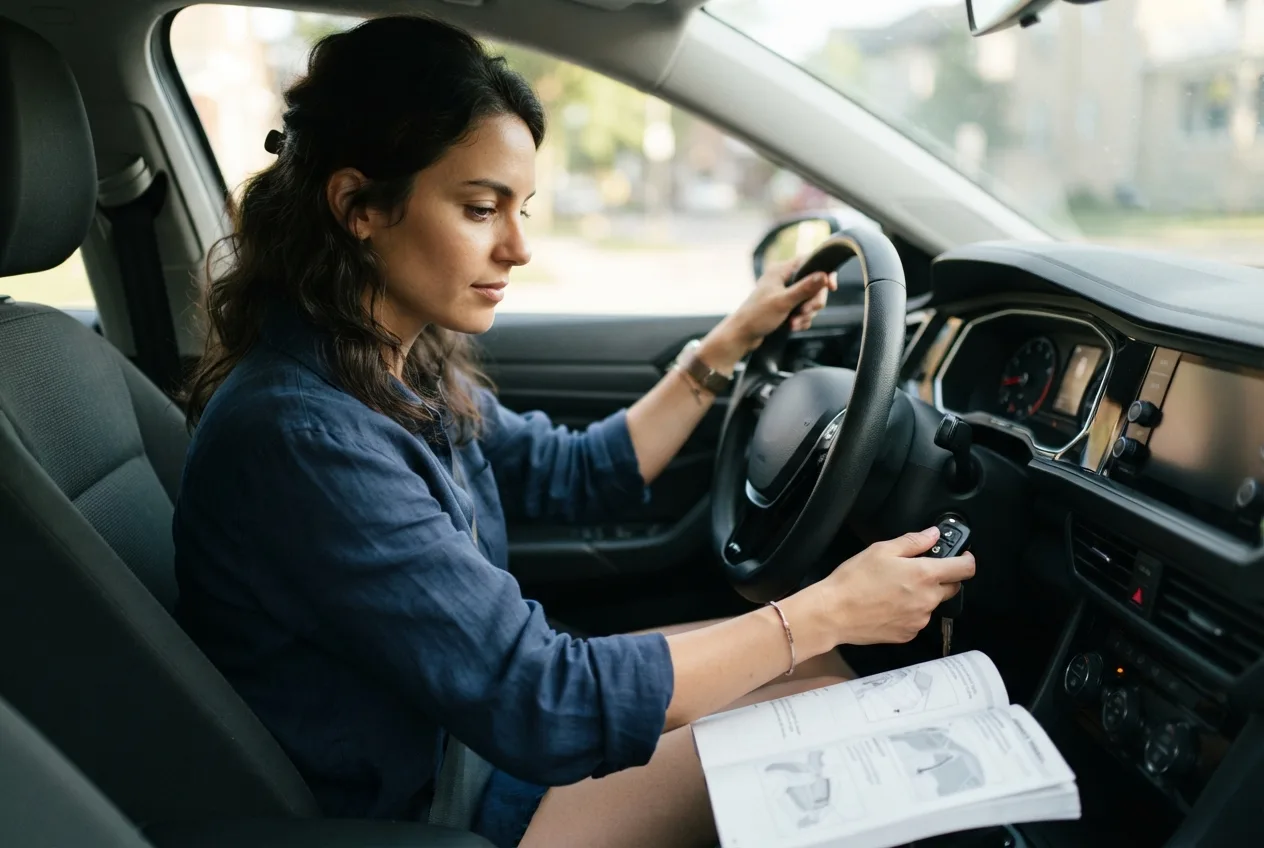
If your fob has a battery but the car still won't listen, it might have "forgotten" the fob. This happens often if the car battery was recently replaced.
- The Fix: This varies by make and model, but there is a common "programming mode" for most cars. (e.g., Insert key, turn to On, press fob button, turn off, repeat). Check your owner’s manual for "Key Fob Programming" or "Sync Remote." It usually takes 30 seconds and costs zero dollars.
6. The "Bad Ground" (The Car’s Receiver)
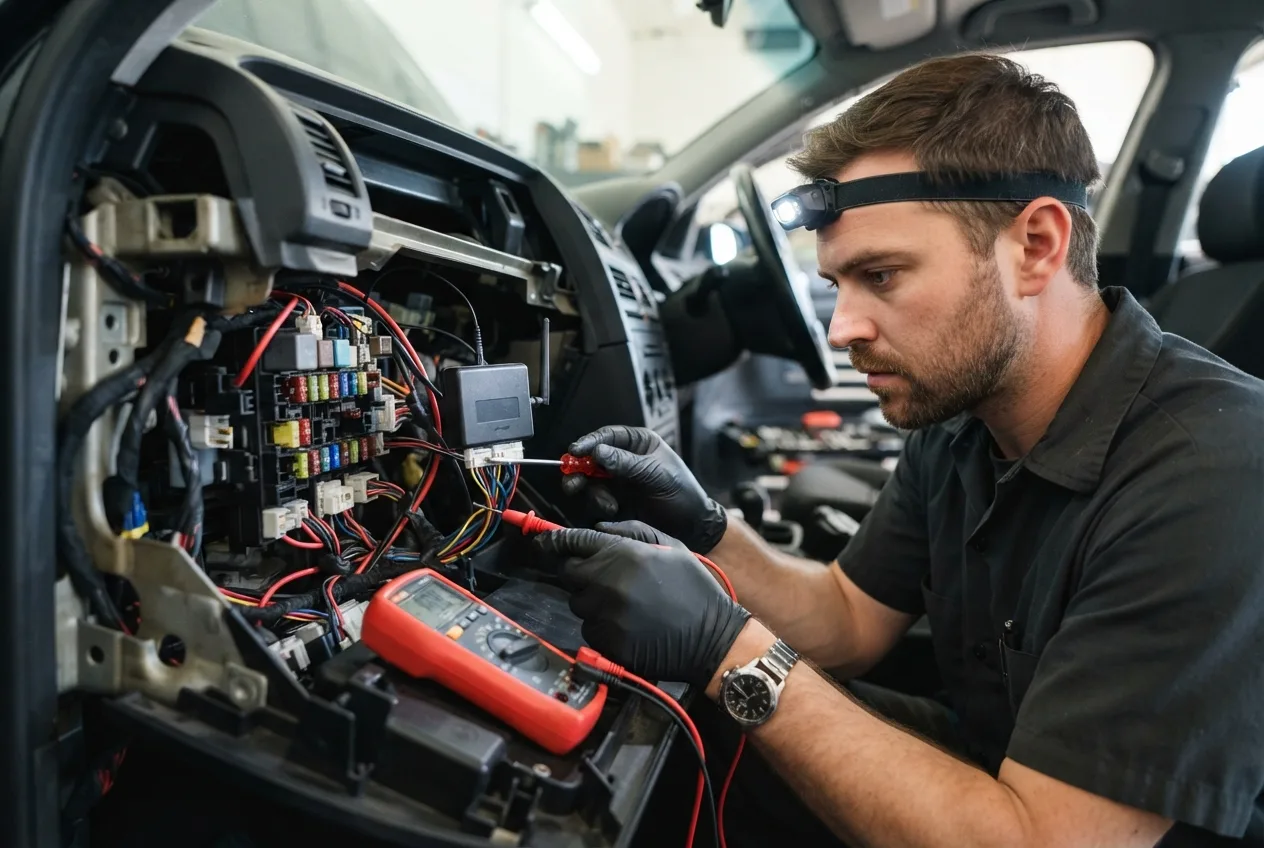
If both of your key fobs stopped working at the exact same time, the problem isn't the fobs—it's the car.
- The Fix: The wireless receiver module in the car might have a loose connection. This is usually located behind the dashboard or in the trunk lining. If you are handy, check the fuse box. A blown fuse for the "Remote Keyless Entry" (RKE) or "Body Control Module" is a common culprit.
The 10-Second "Hack" for a Dead Fob
If your battery is dead and you need to get home now, remember this: Most modern key fobs have a hidden metal key.
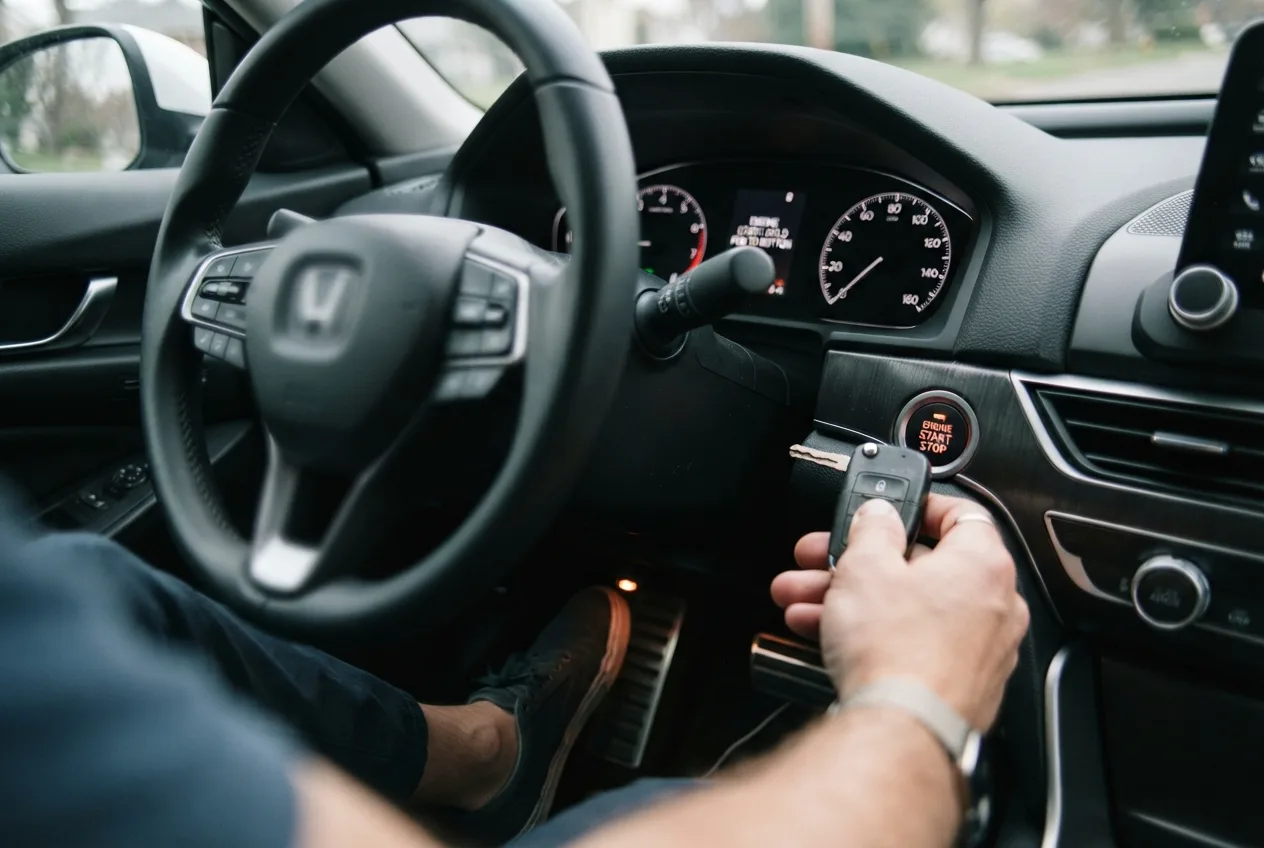
Push the small silver release button on the back of the fob (or slide the cover) to pull out the physical key. Use it to unlock the door. Then, if your car has a push-to-start button, hold the dead fob directly against the start button (or the designated sensor area on the steering column) while pressing the brake. The car will read the chip in the fob via RFID and start right up!
Have you ever been locked out? Share your funniest (or most frustrating) car key story in the comments below! 👇