How Often Should You Really Change Your Engine Oil?
The 3,000-mile oil change is one of the most successful marketing campaigns in automotive history. It's also mostly obsolete. By the end of this guide you'll know how to figure out the right interval for your car, your driving, and your oil — not the number some quick-lube poster taped to the wall.…
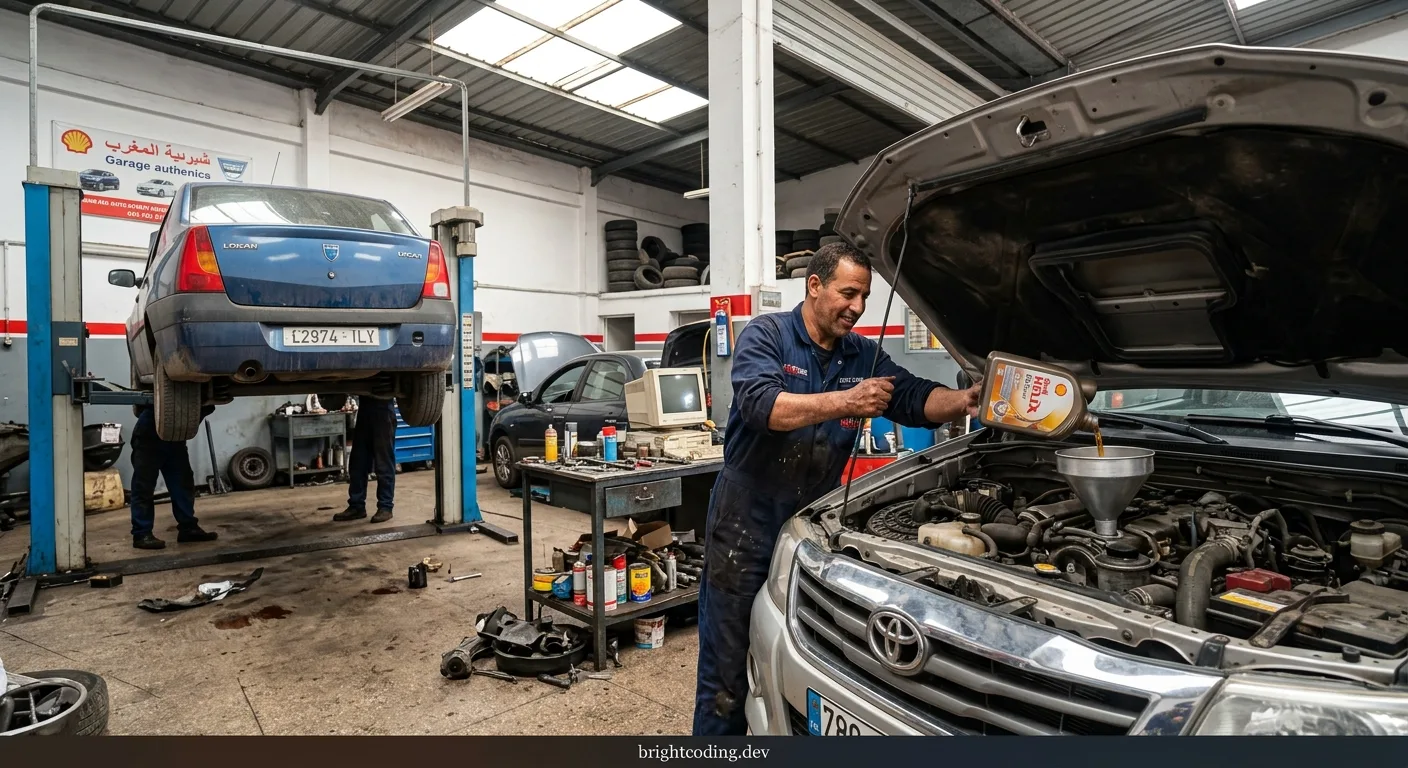
The 3,000-mile oil change is one of the most successful marketing campaigns in automotive history. It's also mostly obsolete. By the end of this guide you'll know how to figure out the right interval for your car, your driving, and your oil — not the number some quick-lube poster taped to the wall. You'll also be able to check your oil level properly, read the dipstick like you mean it, and decide whether you're a DIY oil changer or a pay-someone-else person. Reading takes about 10 minutes. The actual job, if you do it yourself, runs 30–60 minutes the first time.
What you need before you start
You don't need much, and you don't need to buy most of this — a lot of it lives in your trunk already.
- Your owner's manual (or the digital version). This is the single most important "tool" here. Everything below is a method, not a replacement for it.
- The correct oil for your engine — check the manual for viscosity and any certification it requires. Buy the amount the manual lists, plus a little extra if you're unsure of your capacity. (A typical 4-cylinder takes around 4–5 quarts; many V6 and V8 engines take 6–8. Verify, don't guess.)
- A new oil filter that matches your engine.
- A drain pan, a funnel, and a wrench or socket that fits your drain plug.
- Nitrile gloves and shop rags or paper towels.
- A jack and jack stands, or ramps, if you're going under the car.
- A torque wrench is nice to have if you plan to do this regularly. If you don't own one, that's fine — but read the pitfall section below before you reef on the drain plug.
Safety note before anything else: if you just drove the car, the oil is hot enough to give you a serious burn, and the exhaust and catalytic converter can be hot enough to brand you. Let the car sit 15–30 minutes, or do the job cold and just let it drain longer. Never get under a car held up only by a jack. Jack stands or ramps, every time.
Step 1: Find your real interval — and it probably isn't 3,000 miles
Open the owner's manual and find the maintenance schedule. You're looking for two things: the normal-service interval and the severe-service interval. Most modern cars on synthetic oil land somewhere in the 7,500–10,000 mile range for normal service, and several go higher. Severe service often cuts that roughly in half.
"Severe" doesn't mean you drive like a maniac. It usually means short trips, heavy idling, stop-and-go traffic, extreme cold, extreme heat, dusty air, or towing. If your commute is 10 minutes each way in city traffic, congratulations — you're severe service, even though it feels gentle.
Why it matters: oil degrades from heat, contamination, and fuel dilution, not just mileage. Short trips never let the engine get hot enough to boil off moisture and fuel that sneak past the rings. That's why a car that barely moves can need oil changes more often than one racking up highway miles.
Practical tip: the manual's severe-service number is the honest one for most drivers. When in doubt, follow it. It costs you one extra oil change a year and buys you real engine life.
Step 2: Check your oil level — and actually look at it
Pull the dipstick, wipe it clean, reinsert it fully, pull it again, and read the level. It should sit between the low and full marks. Do this with the engine off and the car on level ground, ideally a few minutes after shutdown so oil has drained back to the pan.
Now the part people skip: look at the oil itself. New oil is amber and translucent. Oil that's doing its job turns dark — that alone doesn't mean it's dead. But if it looks milky or coffee-with-cream colored, that's coolant mixing in, and you should stop and get it diagnosed. If it smells strongly of gasoline, you've got fuel dilution, which points to short trips or a richer-running engine.
Why it matters: you're not just checking quantity, you're checking condition. A car burning or leaking oil can drop below the safe level between changes, and that's how engines die — not from "old" oil, but from not enough of it.
Cost note: checking your oil is free and takes two minutes. Do it monthly. It's the cheapest engine care you'll ever perform.
Step 3: Decide whether you're doing it yourself or paying someone
This is a genuine fork in the road, and both answers are correct depending on your situation.
DIY makes sense if you have a place to work, basic tools, and the willingness to deal with a little mess. You'll typically pay for oil and a filter only, and you control exactly what goes in. It's also how you actually learn your car. Our step-by-step car guides walk through the specifics once you know your engine.
Paying a shop makes sense if you live in an apartment, hate crawling under cars, or drive something where the filter is buried behind a plastic undertray. Expect to pay a shop for labor plus oil and filter — the total varies a lot by region and oil type, so get a quote rather than trusting a number you read online. Dealerships and quick-lube chains price very differently.
Practical tip: whoever does the work, ask what oil they're using and keep the receipt. If you ever sell the car, a folder of oil change records is worth real money to a buyer.
Step 4: Drain the old oil (if you're doing it yourself)
Warm the engine for a minute or two so the oil flows, then shut it off and let it cool just enough to be safe. Put your drain pan under the plug, loosen the plug with the wrench, then unscrew it the rest of the way by hand while keeping pressure against it so it doesn't drop into the pan. Let it drain fully — give it several minutes, not thirty seconds.
Safety: hot oil will burn you. Wear gloves and keep your face out of the stream. And never, ever work under a car supported only by a jack.
Practical tip: while it's draining, move the drain pan under the filter. Filters make a mess no matter how careful you are, so keep rags handy and don't panic when oil runs down your arm.
Step 5: Swap the filter and reinstall the drain plug
Remove the old filter — by hand if you can, with a filter wrench if it's stubborn. Wipe the mounting surface clean. Put a thin film of fresh oil on the new filter's rubber gasket, then thread it on by hand until it contacts the surface, and tighten it about three-quarters of a turn past that. Hand-tight is the goal. Use a wrench and you'll regret it next time.
Reinstall the drain plug by hand first to avoid cross-threading, then snug it with the wrench. Do not guess a torque value — check your owner's manual or a service guide for the correct spec if you have a torque wrench, because an over-tightened plug strips the pan and an under-tightened one drips.
Why it matters: a cross-threaded or stripped drain plug turns a 30-minute job into a tow truck and a new oil pan. This is the single most common DIY mistake.
Step 6: Add new oil and check for leaks
Pour in most of the oil through a funnel — hold back a little. Start the engine and let it idle for a minute while you watch for drips at the plug and filter. Shut it off, wait a few minutes, then check the dipstick and top off to the full mark. A filter absorbs some oil, so you'll usually need a bit more than you think.
Why it matters: starting the engine before checking for leaks lets you catch a loose plug or filter immediately, while the car is still in your driveway. Doing it after a 20-mile drive means you find out the hard way.
Practical tip: mark your next change date and mileage on a sticker or your phone calendar right now, while you're still thinking about it. Future-you will not remember.
Step 7: Reset the oil life monitor and log it
Most cars built in the last 15 years have an oil life monitor that needs resetting after a change — usually a sequence of button presses in the settings menu. If you skip it, the car will nag you for an oil change you already did. Check the manual for the exact procedure.
While you're in there, log the date, mileage, and oil used. If a warning light comes on later — a check engine light, for instance — you'll be glad you have a clean maintenance baseline. When something does light up, our free OBD code lookup turns the code into plain English, and the OBD live-data tool helps you see what the engine is actually doing in real time.
Pro tips
- Trust the monitor, but know its limits. Oil life monitors on most modern cars are genuinely good, but they can't know you've been idling in a drive-thru for an hour. If your driving is mostly short trips, change earlier than the monitor suggests.
- Change the filter every time. A dirty filter bypasses and sends unfiltered oil through your engine. It's a few dollars; skip the shortcut.
- Use the severe-service interval if you're unsure. It's the safer default, and the cost difference over a year is small.
- Keep a quart in the trunk. If your engine consumes a little oil between changes, topping off beats running low.
- Don't chase the cheapest oil. Match the specification in your manual. The spec matters more than the brand.
- If you're diagnosing an oil-related symptom — blue smoke, a leak you can't find, a pressure light — run it through our car symptom finder before you start throwing parts at it.
Common pitfalls
Overtightening the drain plug or filter. This strips threads and deforms gaskets. Snug by hand, then a small turn with the wrench, and use the manual's torque spec if you have one.
Changing oil by mileage only. Time matters too. Oil that sits in a rarely-driven car still absorbs moisture and oxidizes. If you drive very little, change at least once a year regardless of mileage.
Ignoring the level between changes. An engine that burns oil can run low long before the interval is up. Check monthly. This is the single best habit in this entire article.
Assuming dark oil means bad oil. It usually just means the detergents are working. Judge by mileage, time, and the monitor — not color alone.
Skipping the leak check. Starting the engine and walking away is how a loose plug becomes an oil-slicked driveway and a seized engine. Watch it idle for a full minute.
Useful resources
- Your owner's manual — the only source that's specific to your exact car. Everything here is a method; the manual is the answer key.
- Our free car tools collection for quick checks and calculators.
- The mechanical encyclopedia when you want to understand why a part behaves the way it does.
- Our expert car tips for the small habits that keep a car healthy between services.
- When a warning light or odd noise shows up, the AI mechanic assistant can help you sort symptoms from serious problems before you book a shop visit.
FAQ
Can I go 10,000 miles between oil changes? Often yes, if your manual says so, you're using the specified synthetic oil, and your driving is mostly normal highway use. If your trips are short and your climate is harsh, don't stretch it.
Does synthetic oil really last longer than conventional? Generally, yes — synthetics resist breakdown better. But the correct answer is still whatever your manual specifies, not the marketing on the bottle.
What happens if I skip oil changes? Sludge builds up, oil stops flowing where it's needed, and wear accelerates. The damage is gradual and then suddenly expensive.
My oil light flickered. Can I just top it off? Check the level first — if it's low, top it off and watch closely. But a pressure warning is serious. If it returns, stop driving and get it looked at. Don't treat it as a topping-off problem.
How do I know if I need the severe-service interval? Short trips, heavy idling, stop-and-go traffic, towing, dust, and extreme temperatures all count. If several of those describe your week, use it.
One last thing
Oil changes are the cheapest insurance your engine will ever get. You don't need to be a mechanic to stay on top of them — you need a manual, a calendar reminder, and two minutes a month to check the dipstick. Do that, and you'll get years more out of the engine than the person who waits for the light to come on. Now go check your oil. It takes less time than reading this did.
Related articles

10 Signs It's Time to Replace Your Car Battery
Your battery rarely dies with a dramatic announcement. Usually it whispers first — a slow crank on a cold morning, lights that dim at idle, a clock that resets itself. This article walks through the ten signs that actually matter, answers the questions people ask most about car batteries, and tells…
Read the article →
Free Car Diagnostics: The Best Methods to Try in 2026
Discover the best free car diagnostic methods of 2026, from AI-powered symptom checkers to live OBD scanners, and learn how to troubleshoot your vehicle without spending a dime at the dealership.
Read the article →L’huile moteur expliquée : viscosité, spécifications et idées reçues
Ce que signifient les chiffres du flacon, pourquoi la spécification importe plus que la marque.
Read the article →
12 Winter Car Tips That Could Save You From Getting Stranded
Cold weather exposes every weak point in a car at once. A battery that cranks fine in July can quit at 10°F, summer tires turn into hockey pucks, and a half-empty gas tank can leave you stranded in a ditch. This article answers the winter questions people actually search for, then goes deeper on ea…
Read the article →
The Best Way to Keep Your Car Cool During Extreme Summer Heat
Your steering wheel is hot enough to brand cattle, the air conditioning is blowing lukewarm air, and the temperature gauge is creeping past where it usually sits. If that sounds like your July commute, you are not imagining things. Extreme heat is genuinely hard on cars, and the ways to keep yours…
Read the article →
How to Save Money on Car Repairs Without Taking Risks
Here's the honest version up front: most common repairs land somewhere between $150 and $1,200 when you pay a shop, and a few big-ticket jobs (timing belts, clutches, head gaskets) can run past $2,000. That range is wide on purpose. Your make and model, where you live, and whether you walk into a d…
Read the article →