10 Tips for Driving Safely in Heavy Rain
Heavy rain doesn't just make the road wet. It changes how your tires grip, how far you can see, and how quickly the car in front of you can stop. Get a few of these wrong and you're looking at a bent fender, a tow bill, or worse. This list covers the mistakes drivers make most often in downpours, a…
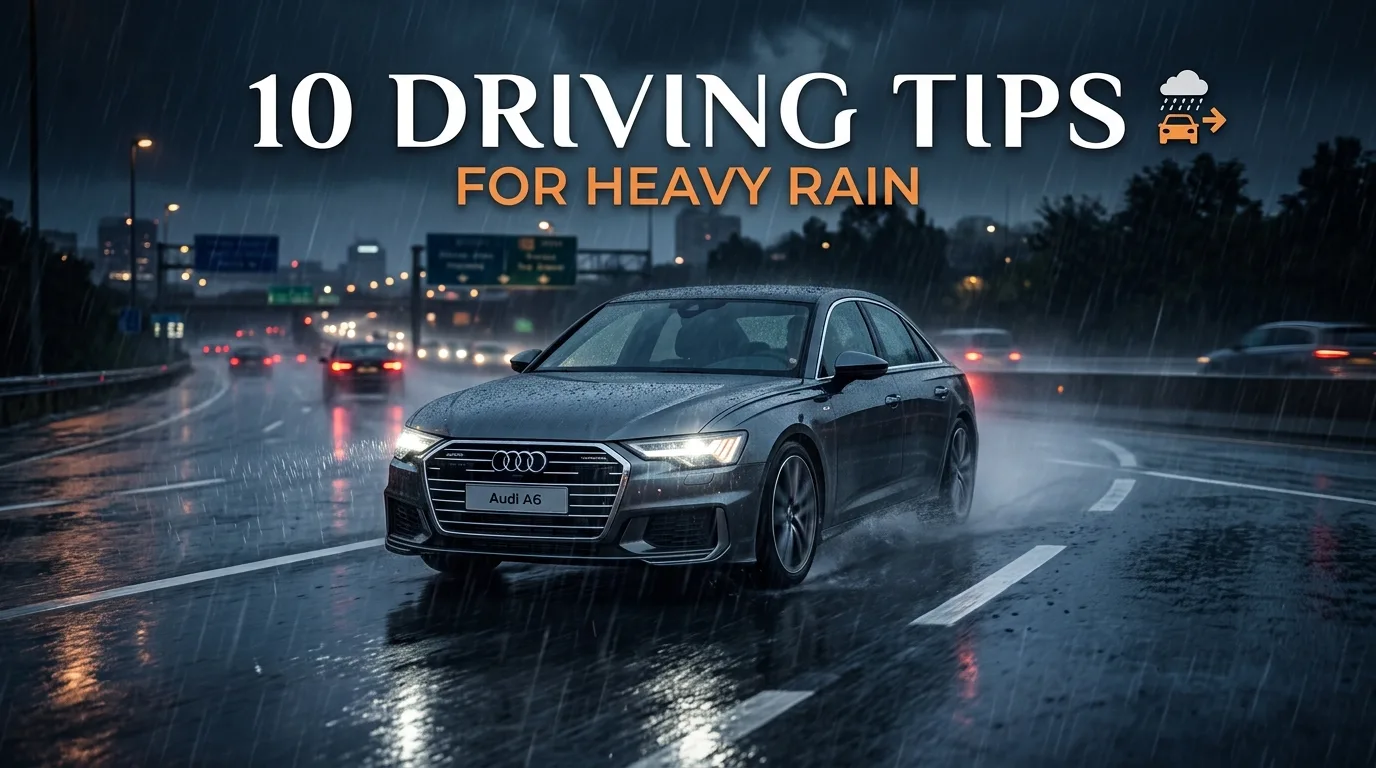
Heavy rain doesn't just make the road wet. It changes how your tires grip, how far you can see, and how quickly the car in front of you can stop. Get a few of these wrong and you're looking at a bent fender, a tow bill, or worse. This list covers the mistakes drivers make most often in downpours, and what to do instead.
Why most people get this wrong
Most of us learned to drive in dry weather. Rain is treated as an inconvenience, not a different set of conditions. So people keep the same speed, the same following distance, and the same habits that work fine on a sunny Tuesday.
The second problem is overconfidence. Modern cars feel planted in the wet. All-wheel drive, traction control, and good tires mask a lot. Until they don't. By the time the car actually tells you it's losing grip, you're already reacting instead of preventing.
And there's a maintenance angle nobody thinks about until it rains. Worn wipers, bald tires, and dim headlights are invisible annoyances in July and serious hazards in a storm. A little prep goes a long way.
1 - Driving at the same speed you would on a dry road
You're on the highway doing 65 like everyone else, rain is coming down hard, and the car feels fine. So you keep going. That's the trap.
Wet pavement cuts your tire's grip, which means longer stopping distances and less margin for sudden moves. Most drivers don't slow down until they feel a slide, and by then it's too late. Drop 5 to 10 mph below the posted limit in heavy rain, and more if you're on a road you don't know. You'll arrive a few minutes later and keep your paint intact.
2 - Following too close
Tailgating is bad in the dry. In the rain it's a gamble. The car ahead of you can stop far shorter than you expect, and your brakes need more room than usual to do their job.
The old two-second gap isn't enough in a downpour. Aim for at least four seconds, and double it at highway speed. To check: watch the car ahead pass a fixed point, then count. If you reach that point before you finish counting, back off. Simple.
3 - Ignoring your tires until they hydroplane
Here's the one that catches DIYers off guard. Your tires look fine, plenty of tread, but they're at 4/32" and the rain is heavy. Suddenly the steering goes light and the car drifts. That's hydroplaning, and it happens on worn tires far sooner than on fresh ones.
Check tread depth with a tread gauge or the penny test, and check pressure monthly. Under-inflated tires channel water poorly. If you're swapping sizes or considering a change, the tire size comparison tool shows what actually fits before you buy. A good set of tires is the single best wet-weather upgrade you can make.
4 - Using cruise control in the rain
This one surprises people. Cruise control is great on a dry interstate. In the rain it's a liability. If you hit standing water and the tires lose grip, the system keeps feeding throttle to maintain speed, which is exactly what you don't want while the car is trying to find traction.
Turn cruise off the moment rain starts. It's a one-second habit and it gives you direct control when you need it most.
5 - Relying on worn or cheap wipers
You can't avoid what you can't see. Streaky wipers that chatter across the glass turn a heavy downpour into a guessing game. Most people replace them only when they're truly awful, which is months too late.
Replace wiper blades every 6 to 12 months, and more often if you park outside. If you're not sure how, our step-by-step car guides walk through it in a few minutes. While you're at it, top off the washer fluid with a good bug-and-tar formula, not water.
6 - Forgetting that headlights aren't just for you
Rain reduces visibility for everyone. Running without lights, or with only parking lights, makes your car nearly invisible to others in the spray. Many states actually require headlights whenever wipers are on, and for good reason.
Turn on your low beams. Not high beams, which reflect off rain and make things worse. Low beams, every time it rains, even in daylight. It costs nothing and it's the cheapest safety upgrade on this list.
7 - Braking hard or jerking the wheel when you start to slide
The instinct when the car feels loose is to stomp the brakes or yank the wheel. Both make it worse. Hard braking locks or overworks the tires, and sudden steering inputs can spin you.
If you feel a slide, ease off the gas and keep the wheel steady. Look where you want to go, not at the thing you're afraid of hitting. If the car has ABS, you can brake firmly and let the system sort out the pulsing. Gentle inputs beat panicked ones every time.
8 - Driving through water without knowing how deep it is
That puddle across the road looks shallow. Maybe it is. Maybe it's a foot deep with a hidden pothole underneath. You can't tell from the driver's seat, and guessing wrong can flood your engine, stall the car, or float it.
If you can't see the road surface through the water, don't drive through it. Turn around. If you must cross a shallow stretch, go slowly and steadily, don't stop in the middle, and don't create a bow wave. If the car does stall in water, don't try to restart it. That's how you turn a stall into a dead engine. And if a check engine light follows, look up the free OBD code lookup before you panic.
9 - Skipping the pre-storm check
Most rain trouble is preventable, and it starts with five minutes in your driveway. Check tire pressure and tread, test your wipers, make sure both low beams and brake lights work, and confirm your defroster actually clears the windshield.
If your car has a warning light on, don't wait for the storm to sort it out. The free car tools page has what you need to read codes and check basics. A car that's healthy in the dry is a car that behaves in the wet.
10 - Panicking instead of planning the route
Heavy rain turns familiar roads into unpredictable ones. Low spots flood, bridges get slick first, and drainage grates back up fast. Drivers who get caught out usually didn't think about the route at all.
Check the forecast before you leave. If flash flooding is possible, delay the trip or take higher ground. If you have to drive, tell someone your route and give yourself extra time. Planning beats reacting.
Do this instead
Slow down 5 to 10 mph, or more in a downpour. Leave four seconds of following distance. Turn off cruise control. Run your low beams. Keep tires properly inflated and above the wear bars. Replace wipers before they streak. Never drive into water you can't see through. Ease off the gas and stay calm if the car slides. And check the car before the storm hits, not during it. If you want a second opinion on a warning light or a weird noise, the AI mechanic assistant can help you sort out what's worth worrying about.
FAQ
Is it safe to drive with hazard lights on in heavy rain? Generally no. Hazards are for a stopped or disabled vehicle. Using them while moving makes it hard for other drivers to read your turn signals and can confuse the traffic around you. Use low beams instead.
How fast can I drive in heavy rain? There's no single number. Speed depends on your tires, the road surface, and how much water is standing. If your wipers can't keep up or you feel the car getting light, you're going too fast.
What should I do if my car hydroplanes? Ease off the gas, keep the wheel steady, and don't brake hard. Wait for the tires to reconnect with the pavement. Panicked inputs are what turn a brief slide into a crash.
Can I drive through a flooded road? If you can't see the road through the water, don't. Depth is impossible to judge and hidden damage underneath is common. Turn around and find another route.
Does all-wheel drive help in the rain? It helps you accelerate, but it does nothing for braking or steering grip. AWD doesn't shorten your stopping distance, so don't let it talk you into driving faster.
The rain doesn't care how good a driver you are. Slow down, see and be seen, and give yourself room, and you'll get home with a dry interior and an intact car.
Related articles
How to Reverse Park Perfectly Every Time
Reverse parking is the one driving skill almost nobody practises after they pass their test. That is why it feels hard. The good news: it is a geometry problem, not a talent contest. Once you know where to put your car and when to turn the wheel, the manoeuvre repeats itself the same way every time.
Read the article →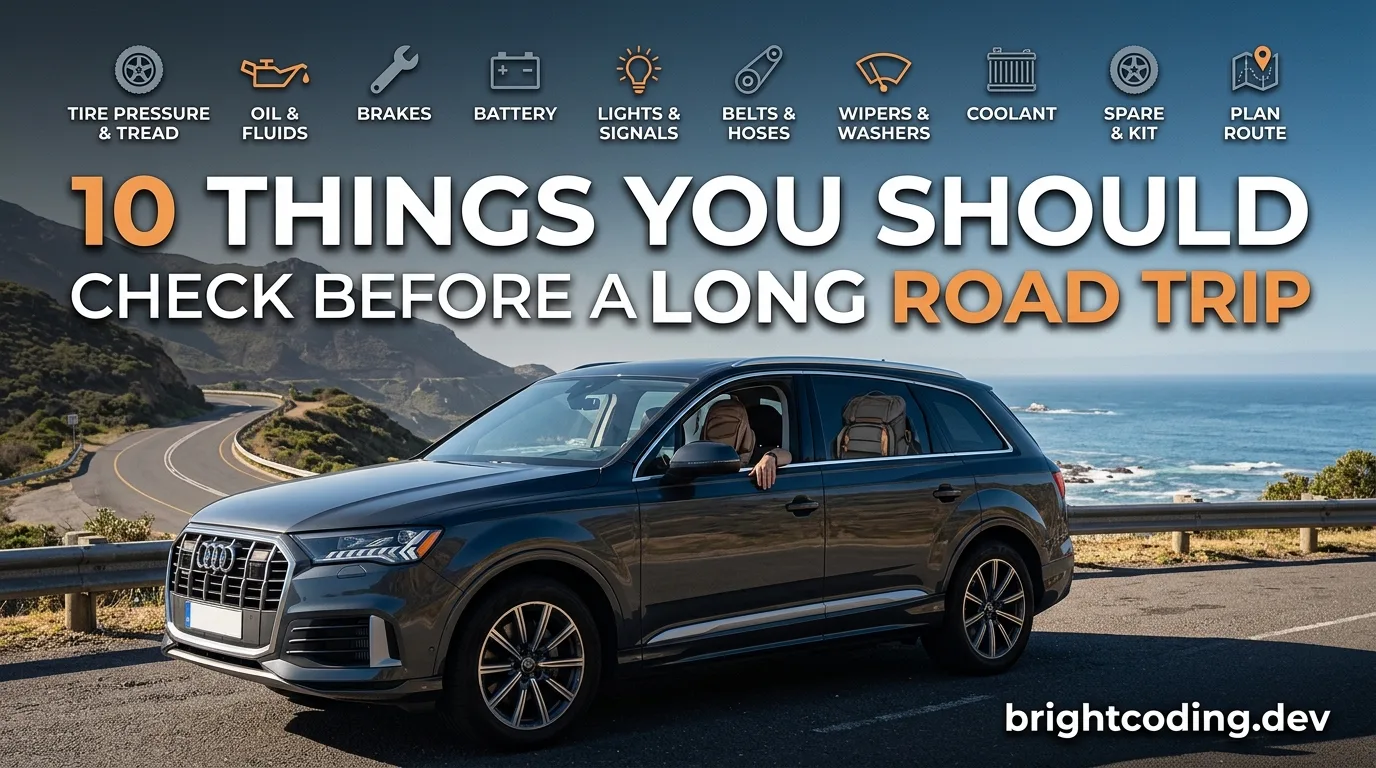
10 Things You Should Check Before a Long Road Trip
The smell hit me somewhere west of the last exit with a gas station. Sweet, a little sharp, like syrup left on a hot stove. I had the windows down at 70 mph and still caught it, which meant it was coming from me, not the truck in front.
Read the article →
15 Common Driving Mistakes That Increase Accident Risk
Most crashes do not start with a dramatic event. They start with a decision you have made a hundred times without thinking: rolling a stop sign, tailgating the guy who cut you off, fiddling with the radio on the highway. Nothing happens 999 times, so the habit feels safe. That is exactly what makes…
Read the article →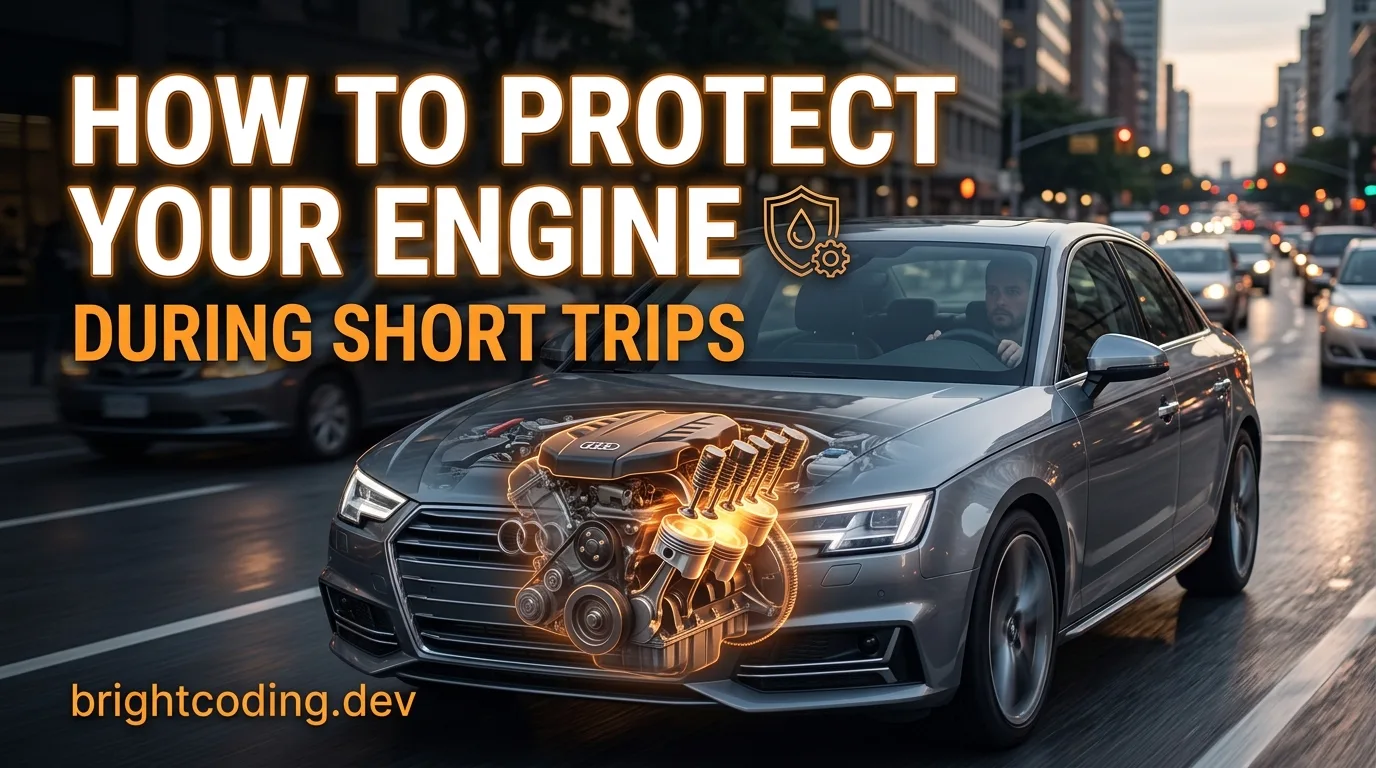
How to Protect Your Engine During Short Trips
Short trips are brutal on an engine, and most people never realize it. If your daily routine is a five-minute drive to the store, the school run, or a commute under ten minutes, your oil never gets hot enough to do its job properly. After reading this, you'll know exactly how to reduce that damage:…
Read the article →
10 Parking Mistakes That Can Damage Your Car
You park a dozen times a day. That's exactly why it goes wrong. Nobody thinks about parking until a mirror is hanging by a wire or a wheel bearing starts humming at highway speed.
Read the article →
How to Drive Safely on Snow and Ice
Snow driving is mostly a set of small decisions made before you ever touch the gas. Get those right and the road stops being scary.
Read the article →