Your car either has a carburetor or fuel injection, and the difference explains a lot about how it starts, idles, and drinks gas. Maybe you just bought an old truck with a carb under the hood and you are not sure what you are looking at. Or your modern car is running rough and someone told you it is "probably the injectors." Either way, you want to understand the system without wading through an engineering textbook.
This is the plain version. By the end you will know how each system delivers gasoline to the engine, why they fail, what it costs to fix them, and how to tell which one you are dealing with.
What does a gasoline engine system actually do?
Strip away the electronics and the job is simple. Gasoline has to mix with air in roughly the right proportion, get into the cylinder, and burn at the right moment. Too much fuel and you waste gas and foul the plugs. Too little and the engine stumbles or overheats.
Everything else, the pump, the lines, the filter, the carburetor or the injectors, exists to get that mix right across every condition: cold mornings, full throttle, highway cruising, stop-and-go traffic. That is the whole game, and the two main designs solve it in very different ways.
The Problem: rough running, bad mileage, and a mystery under the hood
Most people land on this topic because something feels wrong. The car hesitates when you press the gas. It idles like it is gasping. Fuel economy dropped and nobody knows why. Or you opened the hood, saw a metal bowl with linkages on an older car, and realized you have no idea how it works.
The mistake owners make is guessing. They throw parts at the problem, a fuel filter here, a set of plugs there, and hope. That gets expensive fast, especially when the real culprit is a single vacuum leak or a tired fuel pump. Understanding the system first turns guesswork into a short list of suspects.
Why it happens: carburetor versus fuel injection
A carburetor uses airflow to pull fuel into the engine. As air rushes through a narrow section called the venturi, it creates a low-pressure zone that sips gasoline out of a bowl and into the airstream. It is clever, mechanical, and entirely dependent on everything being clean and sealed.
Fuel injection skips the guesswork. A pump pressurizes gasoline, and a computer fires solenoids (the injectors) to spray a precise amount at the exact moment. The engine control unit reads sensors, oxygen in the exhaust, air mass, throttle position, and adjusts on the fly.
That is the core difference. A carburetor reacts to physics. Fuel injection reacts to data. Physics does not care that it is minus ten degrees outside. Data does.
The Solutions: your realistic options
Option 1: Keep and tune the carburetor
This is what you do on an older car that still runs one. A carburetor is rebuildable, adjustable, and cheap to work on if you are patient. A rebuild kit often runs somewhere in the $25 to $60 range, and a replacement carb can be $150 to $400 depending on the model, though prices vary a lot.
The upside: no computers, no sensors, and you can tune it with a screwdriver. The downside: it will never be as precise as injection. Cold starts are fussy, altitude and temperature change the mixture, and a worn throttle shaft or a dried-out gasket causes vacuum leaks that make the engine run lean and stumble.
Option 2: Fix the fuel injection you already have
On most cars built after the late 1980s, the injection system is what you have, and the fix is usually a specific failed part rather than the whole system. Common culprits include clogged injectors, a weak fuel pump, a dirty mass airflow sensor, or a vacuum leak at an intake gasket.
Cleaning injectors might run $80 to $150 at a shop. A new fuel pump installed can land anywhere from $300 to $900 depending on the car, since some require dropping the fuel tank. A mass airflow sensor is often $100 to $300 installed. These are rough numbers, so get a quote for your specific vehicle.
Option 3: Diagnose before you replace anything
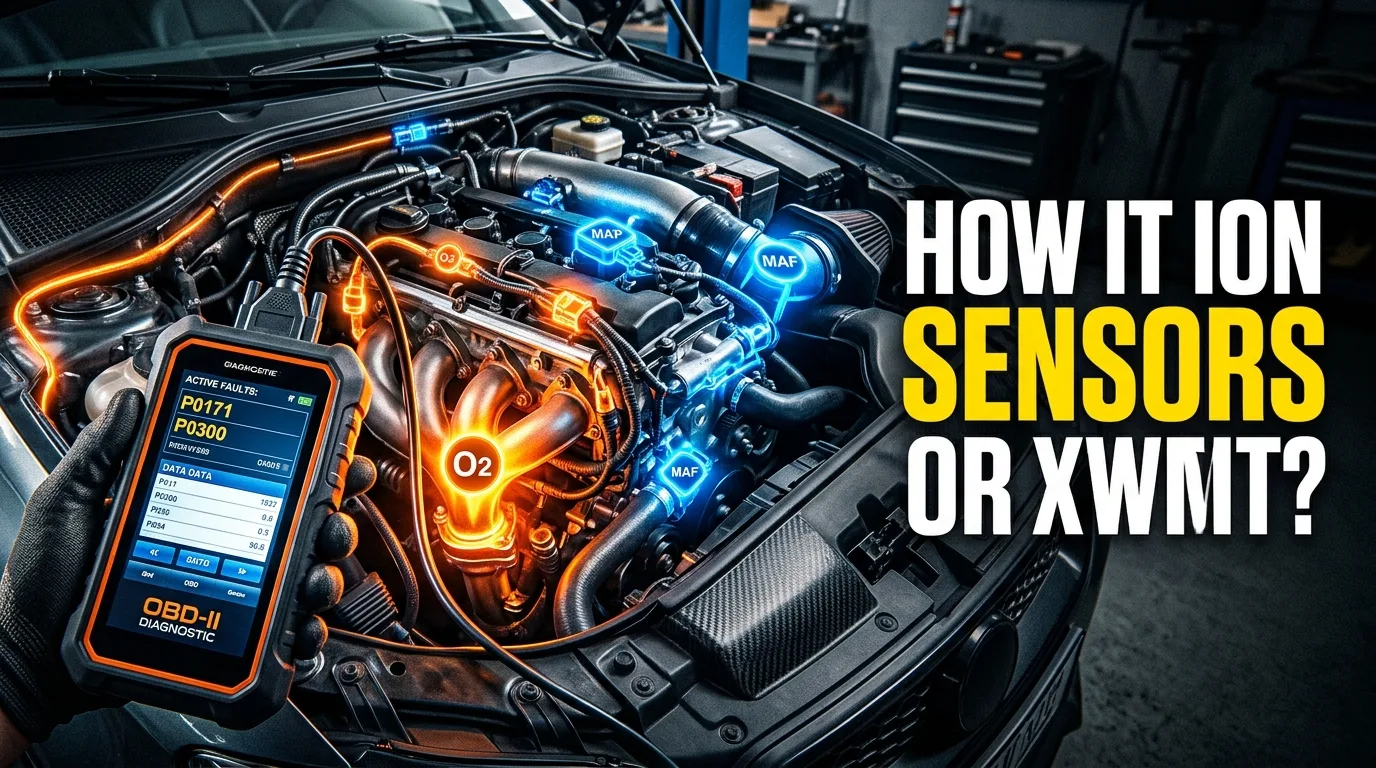
This is less an option than a discipline, and it saves the most money. Before buying parts, pull the codes. A check engine light on a fuel-injected car is a gift, because the computer already knows something is off. A free OBD code lookup tells you what that code means in plain language, which narrows the field immediately.
If the codes point toward mixture problems, watching live sensor data while the engine runs shows whether the oxygen sensor, airflow sensor, or fuel trims are behaving. That is the difference between a $40 fix and a $400 guess.
Option 4: Convert a carbureted car to fuel injection
Aftermarket fuel injection kits exist for classic engines, and they can transform cold starts and drivability. A basic throttle-body kit often starts around $1,000 to $2,500 plus installation, and a full multi-port setup costs more.
It makes sense if you drive the car regularly and want reliability. It makes no sense if the car is a weekend showpiece you are keeping original for value. Be honest about which one you own.
How to tell which system you have
Pop the hood and look for a few tells. A carburetor sits on top of the engine as a chunky metal assembly with fuel lines and mechanical linkages, often under a round air cleaner. Fuel injection is less obvious: you will see a fuel rail running along the engine with injectors plugged into the intake, plus a tangle of sensors and wiring.
If you are still unsure, the year is a decent clue. Most US-market cars switched to fuel injection between the mid-1980s and early 1990s, but there were exceptions, so check the actual hardware rather than trusting the calendar.
The Best Choice for your situation
There is no single right answer here, because it depends on what you drive and who you are.
If you own a classic with a carburetor and you enjoy tinkering, rebuild and tune it. Learn the adjustment screws, keep the fuel clean, and it will serve you fine.
If you own a modern car with a rough-running engine, do not touch the injection system until you have read the codes. Diagnosis first, parts second.
If you are a busy commuter who just wants the car to start every morning, your job is to find a trusted shop and describe the symptoms clearly. You do not need to become a mechanic. You need to avoid being sold parts you do not need.
If you are somewhere in between, a DIY owner who wants to learn, start with the free car tools and a repair guide for your exact model before you buy anything.
Step-by-Step Action Plan
- Identify your system. Look under the hood for a carburetor or a fuel rail and injectors.
- Note the symptoms precisely. Does it stumble cold, hot, at idle, or under load? Details matter.
- Pull the codes if you have a check engine light. Use the OBD code lookup to translate them.
- Check the cheap stuff first. Air filter, fuel filter, vacuum lines, and intake boots.
- Watch live data if you can. Fuel trims and oxygen sensor readings reveal a lot, and the OBD live-data tool walks you through it.
- Test before replacing. Confirm a failed pump or sensor rather than assuming.
- If it is a carburetor, inspect for vacuum leaks and rebuild if the gaskets are tired.
- When in doubt, get a second opinion. The AI mechanic assistant can help you frame the question before you call a shop.
Safety notes: disconnect the battery before working near fuel or wiring, and never smoke or work near an open fuel source. Fuel systems hold pressure even when the engine is off, so relieve it properly before opening lines. If you lift the car, use jack stands, never just a jack.
Common Mistakes to Avoid
- Throwing parts at a symptom instead of diagnosing it. Fix: read the codes and test first.
- Ignoring vacuum leaks on a carbureted engine. Fix: spray a little carb cleaner around gaskets and listen for idle changes.
- Assuming a check engine light means a dead sensor. Fix: look up the code, since it often points to a cause elsewhere.
- Running a carburetor on stale or dirty fuel. Fix: replace the fuel filter and consider a treatment.
- Opening fuel lines without relieving pressure. Fix: follow the service procedure for your car.
- Skipping the air filter. Fix: check it every oil change, it takes a minute.
Expert Takeaway
The system does not matter as much as the diagnosis. Whether you have a carburetor or fuel injection, the engine is telling you what is wrong through its symptoms and, on modern cars, its codes. Learn to listen before you spend, and you will fix the real problem the first time.
FAQ
What is the main difference between a carburetor and fuel injection?
A carburetor mixes fuel and air using airflow and mechanical parts. Fuel injection uses a pressurized pump and computer-controlled injectors to spray a precise amount of fuel. Injection is more efficient and better at adapting to temperature and altitude.
Is fuel injection better than a carburetor?
For everyday driving, yes. It starts easier, runs cleaner, and gets better fuel economy. A carburetor can still be the right choice on a classic car you want to keep original or tune yourself.
How do I know if my car has a carburetor or fuel injection?
Look for a chunky metal assembly on top of the engine with linkages, that is a carburetor. A fuel rail with injectors and lots of sensors means fuel injection. Year is a clue but not a guarantee.
Why does my fuel-injected car run rough?
Common causes include dirty injectors, a failing mass airflow sensor, a vacuum leak, or a weak fuel pump. A check engine light and live sensor data will point you toward the right one faster than guessing.
Can I convert my carbureted car to fuel injection?
Yes, aftermarket kits exist. A basic throttle-body kit often runs around $1,000 to $2,500 before installation, with multi-port setups costing more. It is worth it for a regularly driven car, less so for a showpiece you are keeping original.
Ready to act on what you just read? Decode that warning light with the free OBD code lookup, run the matching car tools to check the numbers yourself, or browse more practical car articles for ideas.