10 Car Noises You Should Never Ignore
Your car talks to you constantly. Most of the time it's mumbling, and you tune it out like a radio ad. Then one day it screams, and you're staring at a repair bill that could have been a $40 part three months ago.

Your car talks to you constantly. Most of the time it's mumbling, and you tune it out like a radio ad. Then one day it screams, and you're staring at a repair bill that could have been a $40 part three months ago.
This isn't about becoming paranoid every time a plastic panel rattles. It's about knowing which sounds mean "keep an eye on that" and which mean "pull over now." The difference between the two is often thousands of dollars and, in a few cases, your safety. Here are the noises that deserve your attention, plus why so many drivers brush them off until it's too late.
Why most people get this wrong
Cars make noise. That's just true. Road noise, wind noise, that mysterious creak over speed bumps. Because there's always some sound, the brain learns to filter all of it out, including the new one that started last Tuesday.
The other problem is hope. A grinding noise might go away if you turn the radio up, right? It won't. Mechanical wear almost never fixes itself, and the longer you wait, the more expensive the fix gets. A wheel bearing that howls for a month can turn into a full hub replacement. A brake pad that squeals can turn into a scored rotor.
And then there's the diagnostic gap. Most owners hear a noise, have no idea where it's coming from, and freeze. Is it the engine? The suspension? Something rolling around in the trunk? Getting a rough location is half the battle, and that's exactly what this article helps you do.
1 - Ignoring the rhythmic squeal that stops when you brake
You're rolling to a red light and there's a high-pitched chirp that keeps time with your wheel speed. Tap the brakes and it vanishes. Feels like a coincidence, so you ignore it.
That squeal is usually a wear indicator, a small metal tab built into the brake pad that starts scraping the rotor once the pad gets thin. It's designed to be annoying on purpose. People ignore it because the brakes still work, and stopping power feels fine. Then the tab wears through and you're metal-on-metal.
Avoid it by having the pads checked the moment you hear that squeal. Pad replacement is cheap; rotors and calipers are not.
2 - Dismissing a low rumble that gets louder with speed
A dull roar that rises and falls with your speed, and gets worse when you turn one direction, is the classic signature of a failing wheel bearing. Many drivers assume it's just tire noise or a rough road surface.
Wheel bearings hold your wheel onto the car. When one fails completely, the wheel can wobble or seize. That's a bad day at highway speed. The "gets louder when you turn" detail is the tell: turning loads the bad bearing and changes the sound.
If you want to pin down which corner is guilty, a scan tool and a quick road test can help you rule out other causes. Our free OBD code lookup is a good first stop if you also have a warning light on, and the car symptom finder can narrow it down by sound and location.
3 - Treating a clicking noise on turns as "just an old car thing"
You turn into a parking spot and hear a steady click-click-click from the front. Straighten out and it stops. Old car, old noises, right?
That click is often a worn CV joint, the part that lets your axle deliver power while the wheel steers. The rubber boot protecting it cracks, grease escapes, grit gets in, and the joint starts to fail. Ignore it long enough and the axle can snap, leaving you stranded.
Get the boot and joint inspected soon. If it's caught early, a reboot and regrease can save the whole axle.
4 - Shrugging off a knocking sound from the engine
This one deserves zero patience. A deep knock from deep in the engine, especially under acceleration or when cold, is not a noise you "monitor." It can mean worn bearings, low oil pressure, or detonation from bad fuel or timing.
People ignore it because the car still drives normally and there's no warning light. The engine hasn't complained officially, so it must be fine. That logic has cost a lot of people an engine.
Check your oil level first, today. If it's fine and the knock is still there, stop driving and get it diagnosed. A step-by-step guide on oil pressure symptoms can help you understand what you're dealing with.
5 - Assuming a hissing under the hood is harmless
A hiss or whistle that appears with the engine running often points to a vacuum leak, a cracked intake hose, or a failing gasket. Sometimes it's a coolant leak spraying onto a hot surface, which is the one you really don't want to ignore.
Drivers brush this off because a hiss sounds passive, like air escaping a tire. But a vacuum leak makes the engine run lean, which can trigger a check engine light, rough idle, and worse fuel economy. A coolant leak can lead to an overheated engine and a warped head.
Pop the hood while the engine idles and listen for where it's coming from. Don't touch anything hot or moving.
6 - Living with a grinding noise when you brake
Squealing pads are a warning. Grinding is the alarm going off. If you hear a harsh metal-on-metal grind when you press the brake pedal, your pads are likely gone and the backing plates are chewing into the rotor.
People keep driving because the car still stops. That's the trap: brakes can feel functional right up until they aren't. Every mile you drive grinds more metal off the rotor, turning a pad job into a pad-and-rotor job, and eventually into a caliper replacement.
Stop driving and get it looked at. This is not a "next weekend" repair.
7 - Chalking up a rattle over bumps to loose trim
A clunk or rattle every time you hit a bump can be worn sway bar links, strut mounts, control arm bushings, or a loose exhaust hanger. Sometimes it really is a water bottle rolling under the seat. Sometimes it's a suspension part about to let go.
Drivers ignore it because the car still tracks straight and the noise is intermittent. Intermittent is exactly how suspension wear starts.
Get underneath or on a lift and have the bushings and links checked. If you want to understand what each part does before you talk to a mechanic, the mechanical encyclopedia explains suspension components in plain language.
8 - Ignoring a whine that changes with engine RPM
A whine that rises and falls with the tachometer, not your road speed, often comes from a belt-driven accessory: alternator, power steering pump, or an idler pulley. A failing alternator can leave you with a dead battery and a car that won't start. A seizing pulley can throw a belt and take the water pump with it.
People ignore this one because it sounds like a supercharger and feels almost sporty. It isn't. It's a bearing on borrowed time.
Check belt tension and look for glazing or cracks. If you have access to live data, the OBD live-data tool can show whether your charging voltage is sagging, which points straight at the alternator.
9 - Treating a rhythmic thump as "just the tires"
A thump that repeats with wheel rotation can be a flat spot on a tire, a separated belt, or a bubble in the sidewall. It can also be a wheel that's out of balance or a bent rim after a pothole.
Drivers assume it's tire noise and keep driving. A separated belt can blow out at highway speed. A bubble in a sidewall is a ticking time bomb.
Run your hand along the tread and sidewall (with the car off and parked) and look for bulges or uneven wear. If you're swapping wheels or changing sizes, the tire size comparison tool helps you check that the new setup is actually compatible.
10 - Waiting for the noise to "get worse" before acting
This is the meta-mistake, and it's the one that costs the most. You hear something, you decide to wait, and you use the noise getting louder as your signal to finally act. By then, the cheap fix has become an expensive one.
The right move is to identify the noise while it's still cheap to fix. Note when it happens: cold start, turning, braking, a specific speed. Write it down. Then use free car tools to run through likely causes, or ask the AI mechanic assistant to help you narrow it down before you book anything.
Do this instead
When you hear something new, don't panic and don't ignore it. Do this:
- Note exactly when it happens: cold, warm, turning, braking, accelerating, a specific speed.
- Check the easy stuff first: tire pressure, lug nuts, oil level, anything loose in the cabin or trunk.
- Get a rough location. Front, rear, left, right, under the hood, under the car.
- If it involves brakes, steering, or a knocking engine, stop driving and get it checked.
- If it's a warning light plus a noise, pull the code before you guess. Start with the free OBD code lookup.
- Keep a short log. "Grinding, front right, only when braking" is gold to a mechanic.
FAQ
Is a noise that only happens when the car is cold a big deal? Sometimes. Cold-start noises can be harmless (a heat shield rattling) or serious (piston slap, timing chain rattle). If it fades within seconds and never returns, it's usually minor. If it's getting louder over weeks, get it looked at.
Can I diagnose a car noise myself without a shop? Often yes, at least well enough to know whether it's urgent. A phone recording, a friend to listen while you drive slowly, and a scan tool get you most of the way. Use the free car tools to work through the possibilities.
What noise means I should pull over immediately? Grinding brakes, a deep engine knock, a loud bang followed by vibration, or any noise paired with smoke, a burning smell, or a warning light. Don't drive on those.
Why does the noise stop when I turn or brake? Because you're changing the load on the failing part. That doesn't mean it's fixed. It means you've found a clue. Write down which action changes the sound; it points straight at the culprit.
How much should I expect to pay to fix a noisy part? It depends entirely on the part. Pads and a wheel bearing are on the lower end; axles and suspension work land in the middle; engine internals get expensive fast. Get a written estimate before work starts and treat any online number, including ours, as a rough guide only.
The cheapest repair is always the one you catch early, so start listening before the noise starts screaming.
Related articles

How to Know When Your Tires Need to Be Replaced
You can check your own tires in about 15 minutes with a coin, a pressure gauge and a flashlight. By the end of this guide you will know how to read tread depth, spot the damage that means "replace now," decode the numbers on your sidewall, and judge whether that slow leak is a cheap fix or a new-ti…
Read the article →
What Does It Mean When Your Car Won't Start?
You turn the key or push the button, and nothing. Or worse, that awful click-click-click. Your stomach drops because you know this is going to cost you time, money, or both.
Read the article →
Why Is My Car Shaking? 8 Common Causes Explained
Your coffee is sitting in the cupholder, and it looks like it's trying to escape. Maybe the steering wheel vibrates at highway speed. Maybe the whole cabin shudders when you brake. Either way, a shaking car is one of those problems you can feel in your teeth, and it never fixes itself.
Read the article →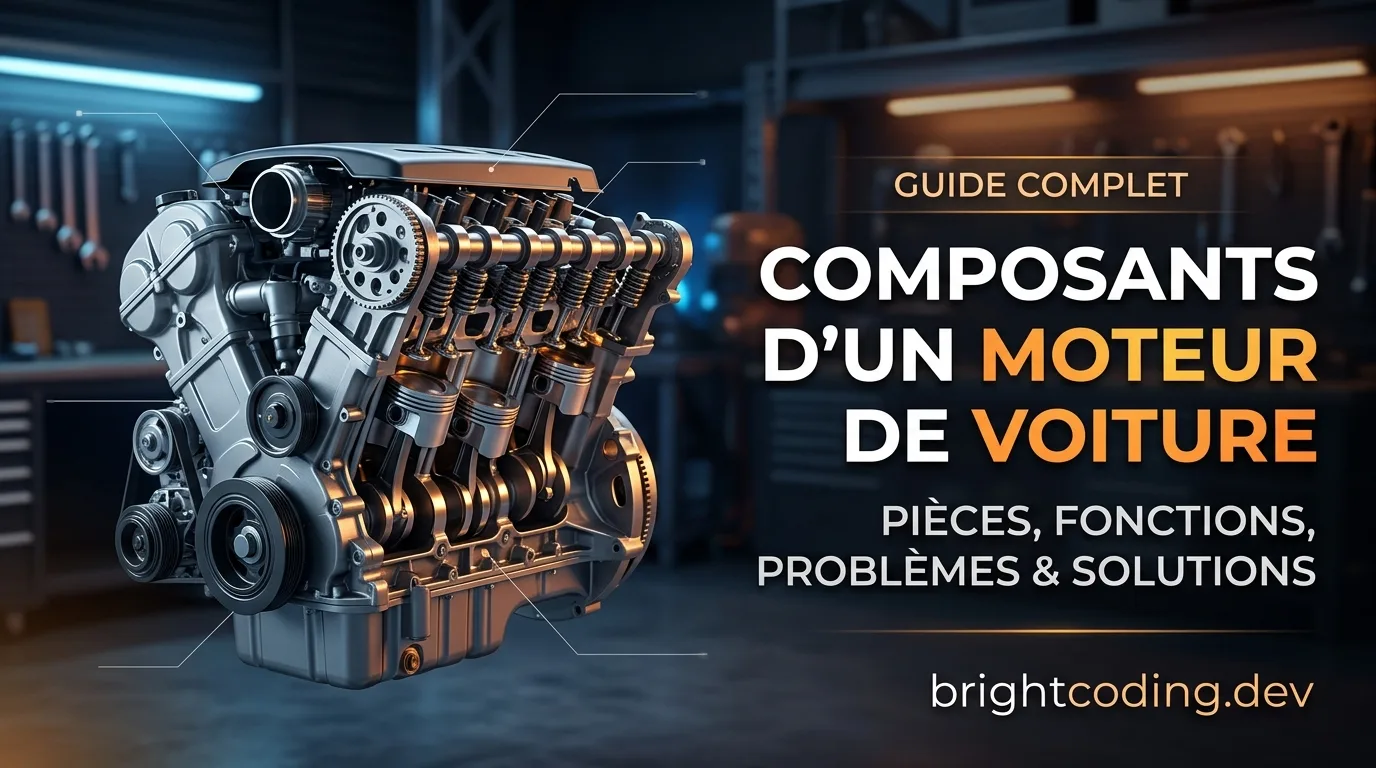
Composants d'un moteur de voiture : guide complet des pièces, fonctions, problèmes et solutions
Le moteur thermique est le cœur de la voiture. Il transforme le carburant en énergie mécanique grâce au cycle à quatre temps : admission, compression, combustion et échappement. Il est composé de nombreuses pièces essentielles comme le bloc moteur, la culasse, les pistons, le vilebrequin, les arbres à cames, les soupapes, ainsi que les systèmes d’admission, d’allumage, de lubrification et de refroidissement.
Read the article →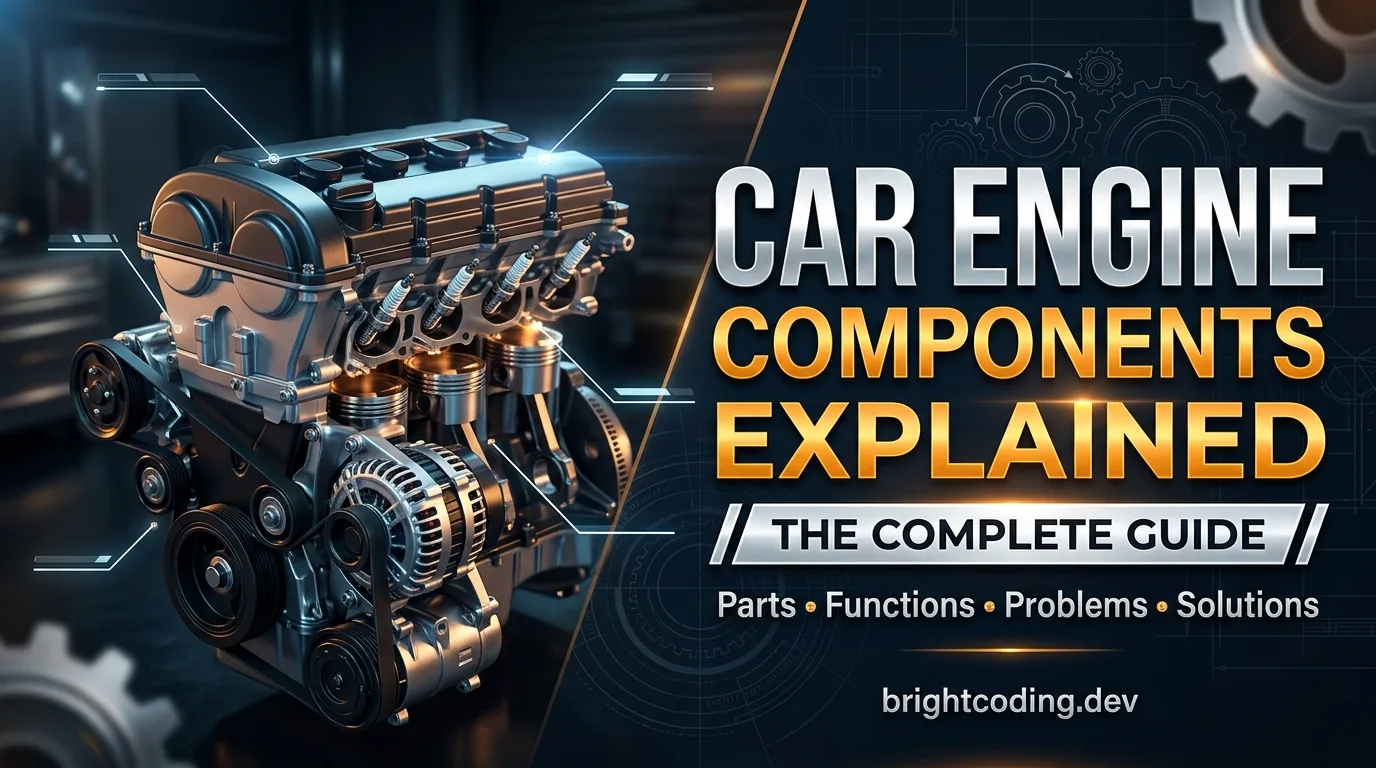
Car Engine Components Explained: The Complete Guide to Parts, Functions, Problems, and Solutions
Your car’s engine is a complex system of parts working together to turn fuel into motion. This complete guide breaks down every major car engine component from the engine block, cylinder head, and DOHC valvetrain to pistons, crankshaft, timing system, fuel delivery, ignition, exhaust, lubrication, and cooling. You’ll also learn common engine problems, warning signs you should never ignore, diagnostic steps, and maintenance tips to keep your engine running reliably
Read the article →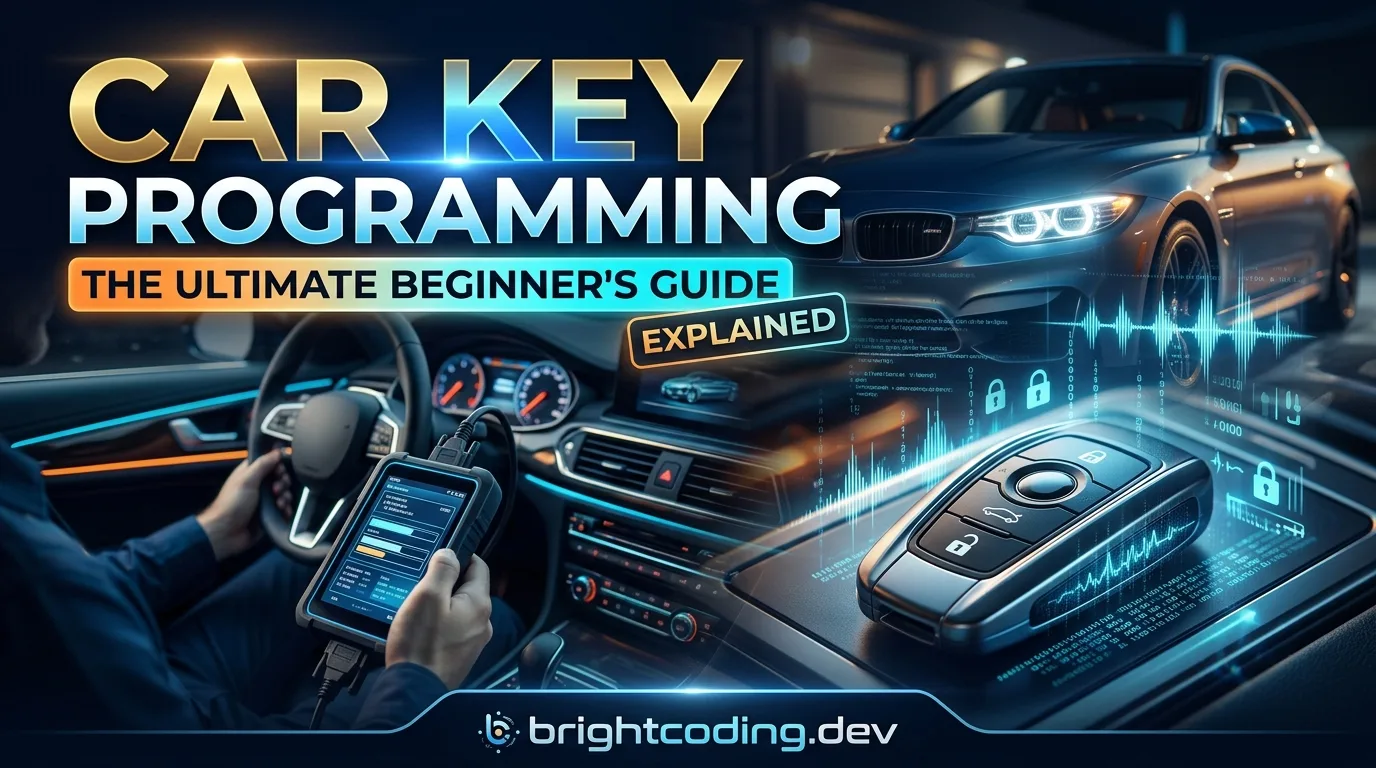
How Car Key Programming Works: The Complete Beginner's Guide
A car key used to be a piece of metal. Now it is a small computer that talks to your car, and when that conversation breaks, the car simply refuses to start. After reading this guide you will understand what key programming actually is, you will know when you can do it yourself with a scan tool and…
Read the article →