What to Do If Your Car Breaks Down on the Road
Your car makes a noise you have never heard before, the steering goes heavy, or the dashboard lights up like a Christmas tree. Then it stops. Maybe you are on a busy highway, maybe on a quiet back road with no signal. Either way, your heart rate jumps before your brain catches up.
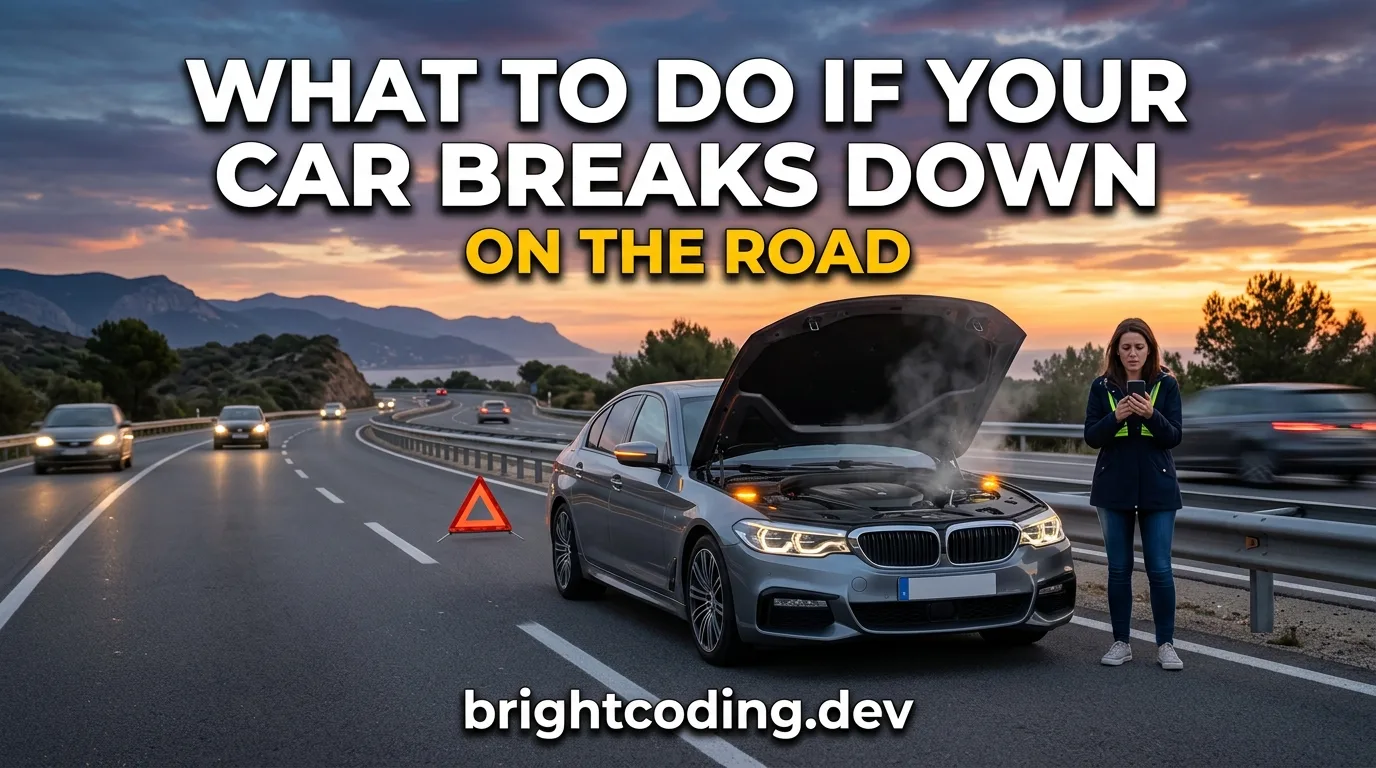
Your car makes a noise you have never heard before, the steering goes heavy, or the dashboard lights up like a Christmas tree. Then it stops. Maybe you are on a busy highway, maybe on a quiet back road with no signal. Either way, your heart rate jumps before your brain catches up.
A car breakdown is one of those moments where the first sixty seconds matter more than the next sixty minutes. The good news: there is a simple sequence that keeps you safe, gets you help, and often saves you money. This guide walks through what to do, in order, plus the mistakes that turn a bad afternoon into a dangerous one.
The Problem: You Are Stopped and Everyone Else Is Still Moving
Here is the part most people get wrong. The danger in a breakdown is rarely the broken car. It is the traffic around it. A stalled vehicle on a highway shoulder is one of the more exposed places you can be, and every year drivers get hurt standing behind or beside their own car while trying to figure out what went wrong.
The instinct is to pop the hood immediately and start poking around. That instinct is understandable but wrong. Diagnostics can wait. Getting yourself and your passengers out of the path of moving vehicles cannot.
Common mistakes I see repeated:
- Staying in the driver's seat on a live traffic lane, hoping the car will restart.
- Standing directly behind the vehicle to wave at traffic or inspect the rear.
- Calling a friend before calling for proper roadside help.
- Trying to push a car across multiple lanes of traffic alone.
If you remember nothing else, remember this: people first, car second.
Why Cars Break Down in the First Place
Breakdowns are not random. They cluster around a handful of systems, and knowing which one failed tells you whether this is a five-minute fix or a tow-truck call.
The battery and charging system is the most common culprit. A battery that has been weak for weeks will often pick a cold morning or a hot parking lot to finally quit. If your lights dimmed before the engine died, that is your clue.
Fuel delivery comes next. A failing fuel pump, a clogged filter, or simply running dry can leave you cranking with no fire. If the engine turns over but will not catch, think fuel or spark.
Overheating is the one that scares people, and it should. A blown hose, a stuck thermostat, or a failed water pump can put you on the shoulder fast. If you see steam, that is the car telling you to stop now, not in two miles.
Then there is the electrical and sensor side. A crankshaft position sensor, for example, can fail without warning and cut the engine dead while you are doing 60. If the car died instantly with no sputter, that is a different signature than a slow decline. This is where a free OBD code lookup earns its keep. If you can get a scanner on the car, the code often points you straight at the failing part instead of guessing.
The Solutions: What You Can Actually Do
Once you are safe, you have three realistic paths. Each has a place.
Fix It Yourself on the Shoulder
This only makes sense for a short list of problems: a flat tire you can safely change on a flat, wide shoulder, a loose battery terminal, or a fuse you can swap. Anything involving fuel, coolant under pressure, or the underside of a car is a no. The shoulder is not a garage.
Advantages: fast, cheap, gets you moving. Disadvantages: real risk if traffic is close, and you can make a mechanical problem worse. If you are on a narrow shoulder or a curve, skip this entirely.
Call Roadside Assistance or a Tow
This is the default answer for anything you cannot diagnose in two minutes. Most insurance policies, auto clubs, and even some credit cards include roadside help. A tow within a local radius often runs somewhere in the range of $75 to $150, though that varies a lot by region and distance. Treat those numbers as rough and check your own coverage first.
Advantages: professionals handle the risk. Disadvantages: wait times, cost if you are not covered. For most people on a highway, this is the right call.
Limp It Somewhere Safe
If the car still runs but is clearly unhappy, moving it a short distance to a parking lot or side street is far better than sitting on a live lane. Watch your temperature gauge like a hawk. If it climbs, stop. Driving an overheating engine can turn a $200 repair into a $2,000 one.
The Best Choice Depends on Where You Are and What Broke
If you are on a highway or a fast road, call for help. Full stop. The money is worth your life.
If you are on a quiet street and it is something obvious like a flat tire or a dead battery, a DIY fix is reasonable. A portable jump starter lives in a lot of trunks for exactly this reason.
If you are a commuter who does the same route daily, keep a small kit and a charged phone. If you are a weekend driver, make sure your roadside coverage is current before you need it. There is no single best answer here, and anyone who tells you there is has not stood on a shoulder at dusk.
Step-by-Step Action Plan
Work through this in order. Do not skip ahead.
1. Get off the road. Signal, steer to the shoulder or the rightmost safe spot, and pull as far from traffic as you can. Turn your wheels away from the road if you are on a slope.
2. Turn on your hazard lights immediately. Before you do anything else.
3. Stay in the car if traffic is heavy. If you are on a highway, staying belted inside is often safer than standing outside, unless the car is on fire or in a dangerous position.
4. If you must exit, exit on the safe side. That means the passenger side, away from traffic. Never stand behind the car.
5. Set up warning if you can do it safely. A reflective triangle or flares placed well back, but only if you can place them without stepping into traffic.
6. Call for help. Roadside assistance, a tow, or emergency services if you are in a live lane or someone is hurt.
7. Diagnose only once you are safe. Now you can check the obvious: out of gas, dead battery, flat tire. A basic scanner plus the OBD live-data tool can tell you a lot about what the engine was doing before it quit.
8. Do not open a hot cooling system. If you overheated, let it cool completely. Pressurized coolant can scald you badly.
9. If you change a tire, set the parking brake and chock the wheels. Loosen the lug nuts a quarter turn before you jack it up, not after.
10. Once moving again, get it checked. A breakdown that "fixed itself" is a breakdown waiting to happen again.
Safety notes worth repeating: never disconnect a battery while the engine is running, never get under a car held up only by a jack, and never open a radiator cap on a warm engine.
Common Mistakes to Avoid
- Standing behind the car. Fix: stay to the side, away from traffic, or stay inside.
- Trying to restart endlessly. Fix: if it does not catch after a couple of tries, stop cranking and diagnose.
- Driving on an overheating engine. Fix: pull over the moment the gauge climbs or steam appears.
- Opening the radiator cap hot. Fix: wait until it is fully cool.
- Pushing the car across lanes alone. Fix: call for help, or wait for a safe gap with another person.
- Ignoring a warning light for weeks. Fix: check it early. A cheap OBD code lookup now beats a tow later.
- No phone charge or no coverage plan. Fix: keep a charger and know your roadside options before you need them.
Expert Takeaway
The single most important lesson is this: your safety beats your car, every time. Get out of traffic, warn other drivers, and call for help before you touch a wrench. A breakdown is a bad day. It does not have to be a dangerous one. Handle the people first, and the car second.
FAQ
What should I do first when my car breaks down? Get to a safe spot, turn on your hazards, and get yourself out of the path of traffic. Safety first, diagnosis second.
Is it safe to stay in my car during a breakdown? On a highway with fast traffic, staying belted inside is often the safer choice unless the car is on fire or in a dangerous position. Exit on the passenger side only if you must.
Can I drive a car that is overheating? No. Stop as soon as it is safe. Driving an overheating engine can cause serious, expensive damage.
How much does a tow cost? It varies widely by region and distance. A local tow often falls somewhere between $75 and $150, but check your insurance or auto club coverage first.
What if my car dies and will not restart? If it turns over but will not catch, suspect fuel or spark. If it died instantly with no warning, suspect an electrical or sensor fault. A scanner and a code check can point you in the right direction, and our step-by-step car guides can walk you through the next move.
Related articles
How to Reverse Park Perfectly Every Time
Reverse parking is the one driving skill almost nobody practises after they pass their test. That is why it feels hard. The good news: it is a geometry problem, not a talent contest. Once you know where to put your car and when to turn the wheel, the manoeuvre repeats itself the same way every time.
Read the article →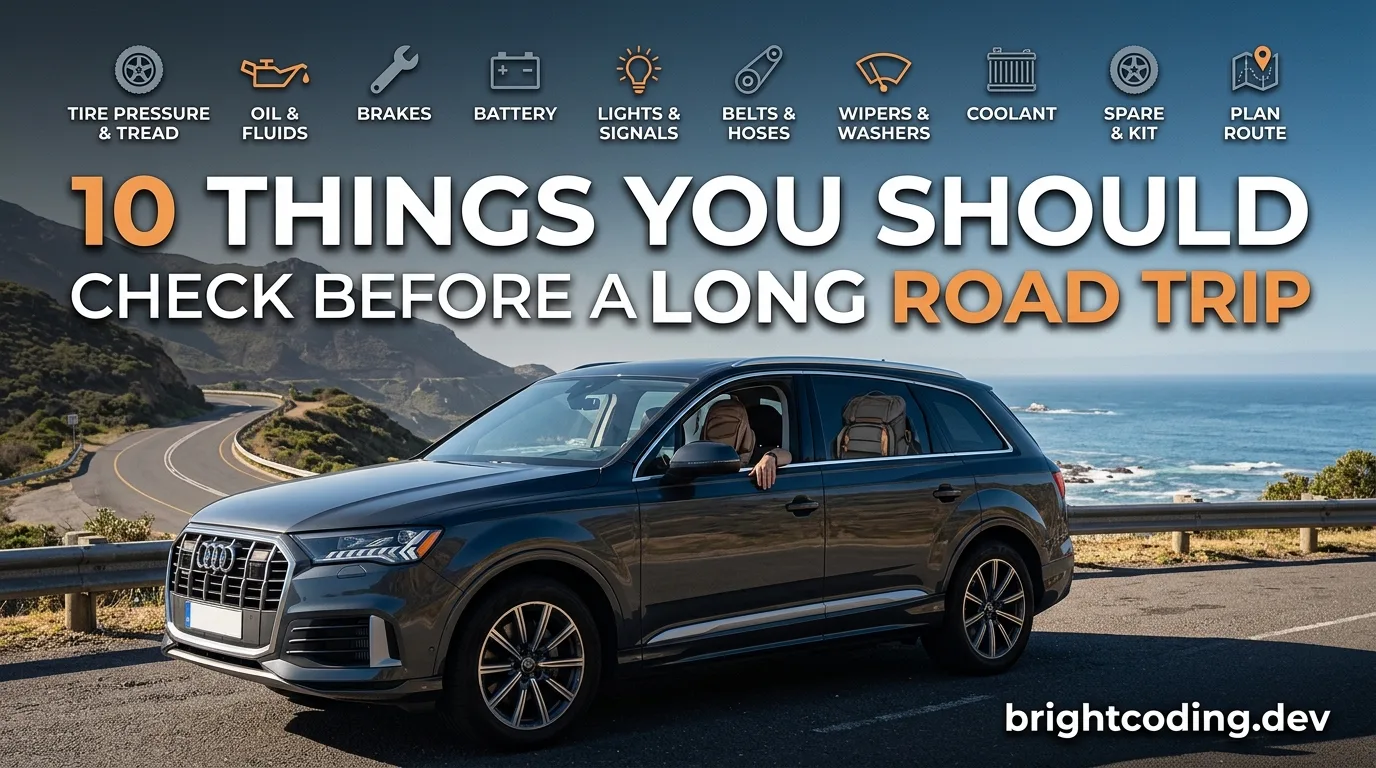
10 Things You Should Check Before a Long Road Trip
The smell hit me somewhere west of the last exit with a gas station. Sweet, a little sharp, like syrup left on a hot stove. I had the windows down at 70 mph and still caught it, which meant it was coming from me, not the truck in front.
Read the article →
15 Common Driving Mistakes That Increase Accident Risk
Most crashes do not start with a dramatic event. They start with a decision you have made a hundred times without thinking: rolling a stop sign, tailgating the guy who cut you off, fiddling with the radio on the highway. Nothing happens 999 times, so the habit feels safe. That is exactly what makes…
Read the article →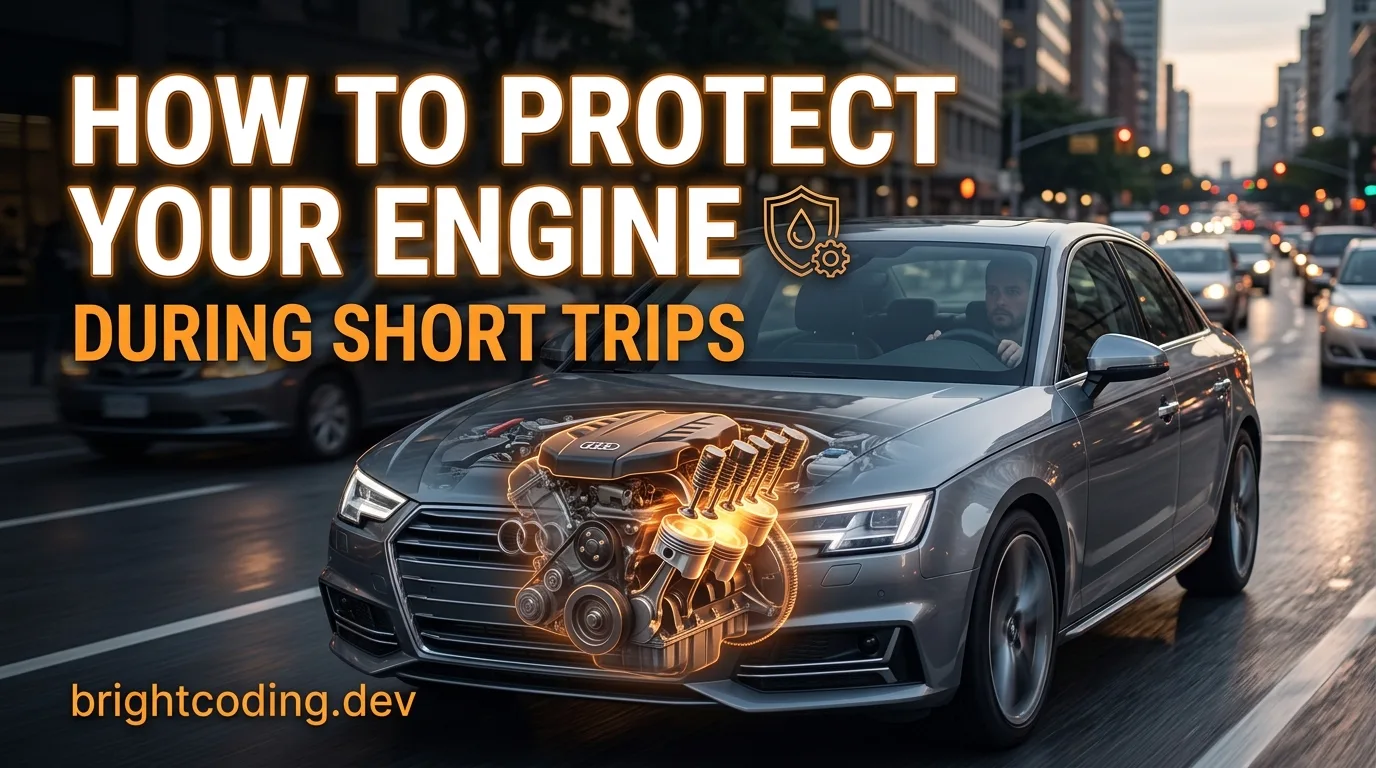
How to Protect Your Engine During Short Trips
Short trips are brutal on an engine, and most people never realize it. If your daily routine is a five-minute drive to the store, the school run, or a commute under ten minutes, your oil never gets hot enough to do its job properly. After reading this, you'll know exactly how to reduce that damage:…
Read the article →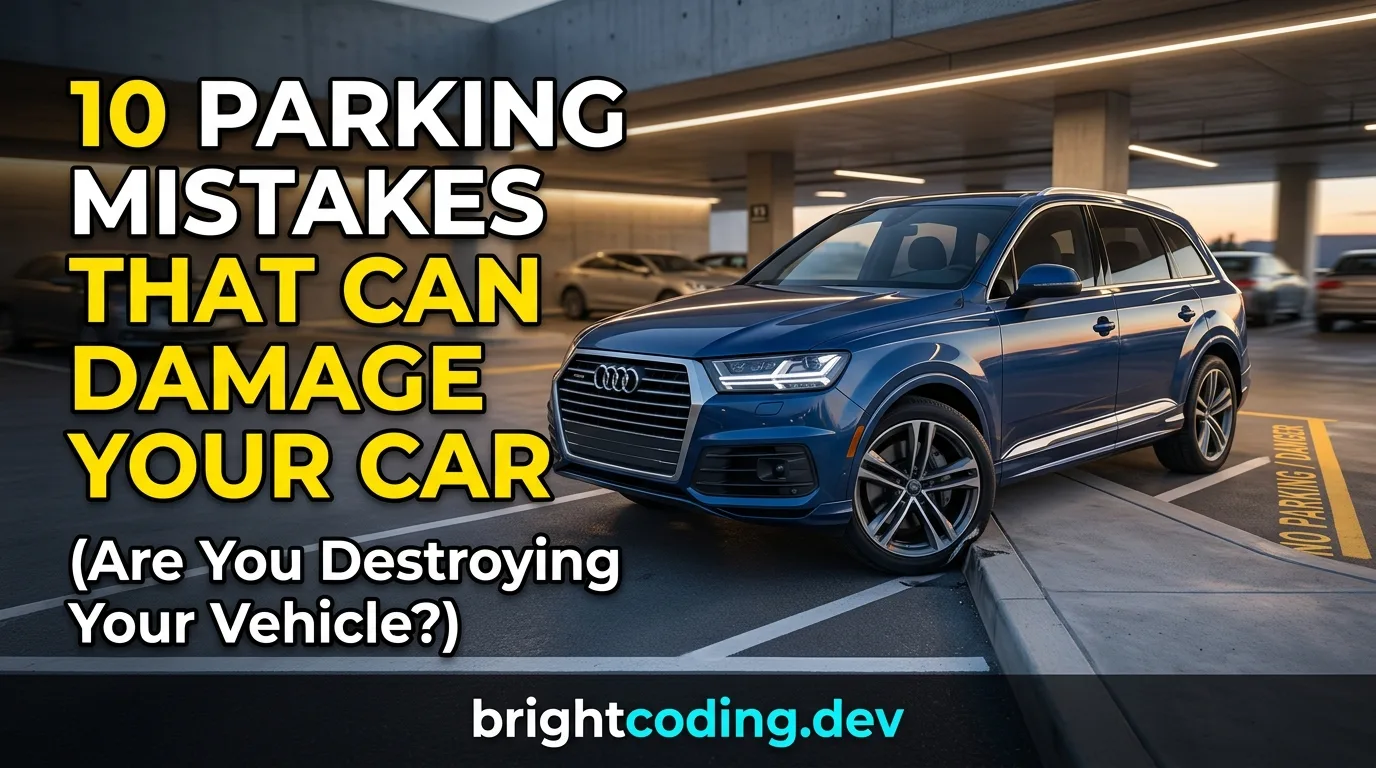
10 Parking Mistakes That Can Damage Your Car
You park a dozen times a day. That's exactly why it goes wrong. Nobody thinks about parking until a mirror is hanging by a wire or a wheel bearing starts humming at highway speed.
Read the article →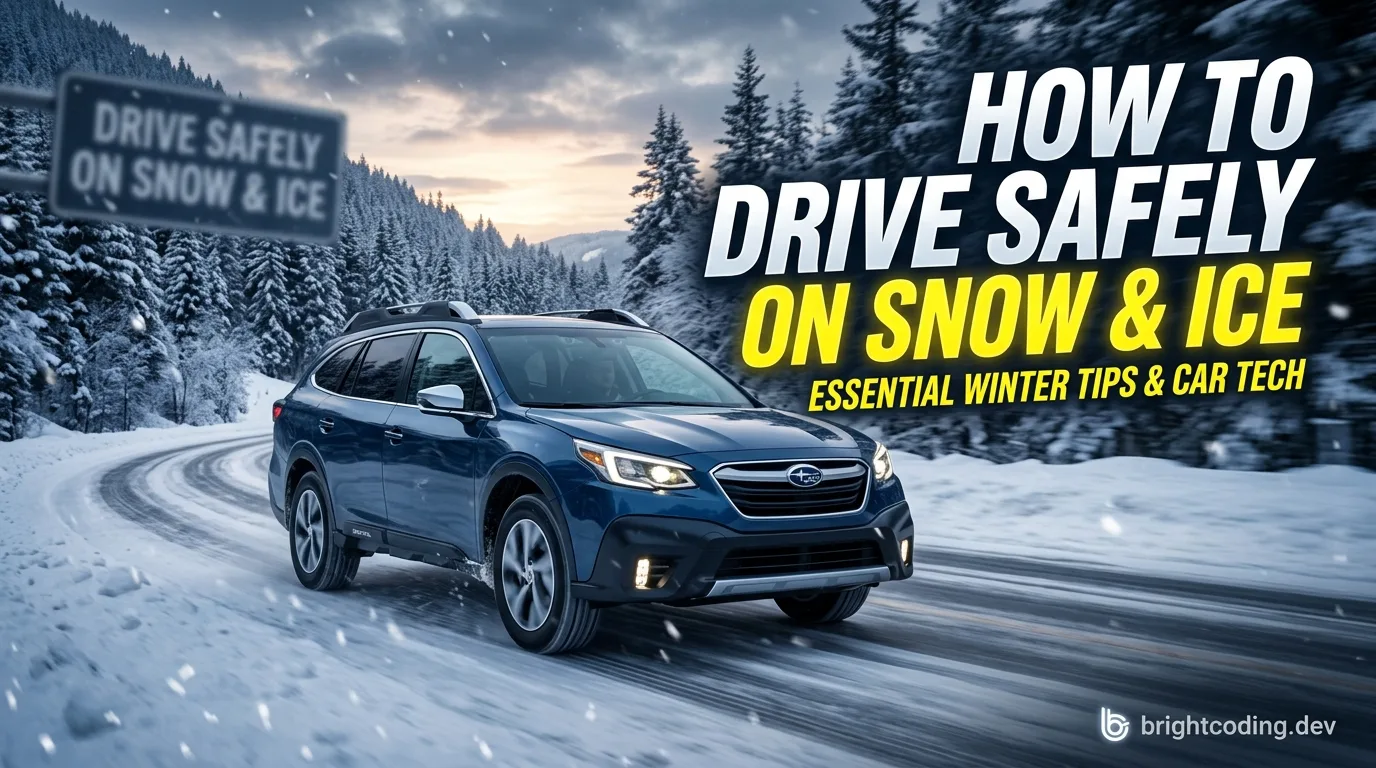
How to Drive Safely on Snow and Ice
Snow driving is mostly a set of small decisions made before you ever touch the gas. Get those right and the road stops being scary.
Read the article →